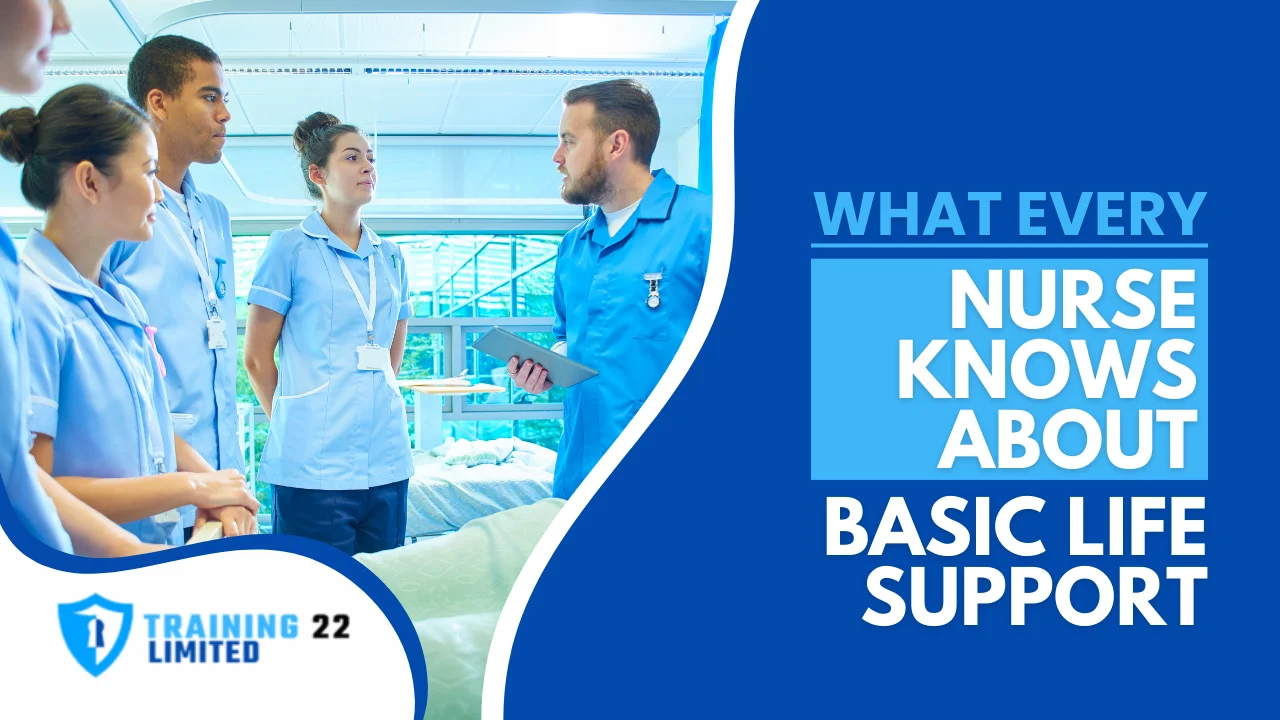
When emergencies happen, nurses are often the first to act. But did you know that the skills they use in Basic Life Support (BLS) are important for everyone? BLS can be the difference between life and death during events like cardiac arrest or choking. No matter your role, parent, co-worker, or student, learning how nurses handle these situations can help you respond quickly and confidently.
Nurses are trained in BLS procedures because they are the first defence in emergencies. However, these skills are not just for medical professionals. Everyone can gain from knowing how to provide first aid effectively. Learning about BLS from nurses can help you understand emergency steps better and give you the confidence to help in a crisis.
We will explore what nurses know about BLS and how this knowledge can help everyone in the UK. We’ll cover the skills, techniques, and mindset needed for first response care and show you how to learn them through a Basic Life Support Training course at Training 22.
The Golden Rule: Time is Life
Every second matters. Nurses are trained to act quickly for a good reason. In a cardiac arrest, the brain can be damaged without oxygen in just four to six minutes. That’s why a key lesson in BLS is that the faster you act, the better the results.
- Nurses are taught to identify signs of deterioration early and begin CPR immediately when necessary.
- They learn to call for help, assess the situation, and start compressions without hesitation.
Anyone can learn to act quickly with basic life support training in the UK. Knowing how oxygen deprivation affects the brain helps you act decisively. When you pair this knowledge with hands-on training, it becomes natural, turning a bystander into a confident first responder.
ABC: Airway, Breathing, Circulation
The ABC principle is essential in nursing and BLS. Nurses use this simple checklist during emergencies:
- Airway: Is the person’s airway open and free of obstruction?
- Breathing: Are they breathing normally, or showing signs of respiratory failure?
- Circulation: Is the heart pumping blood effectively, or has it stopped?
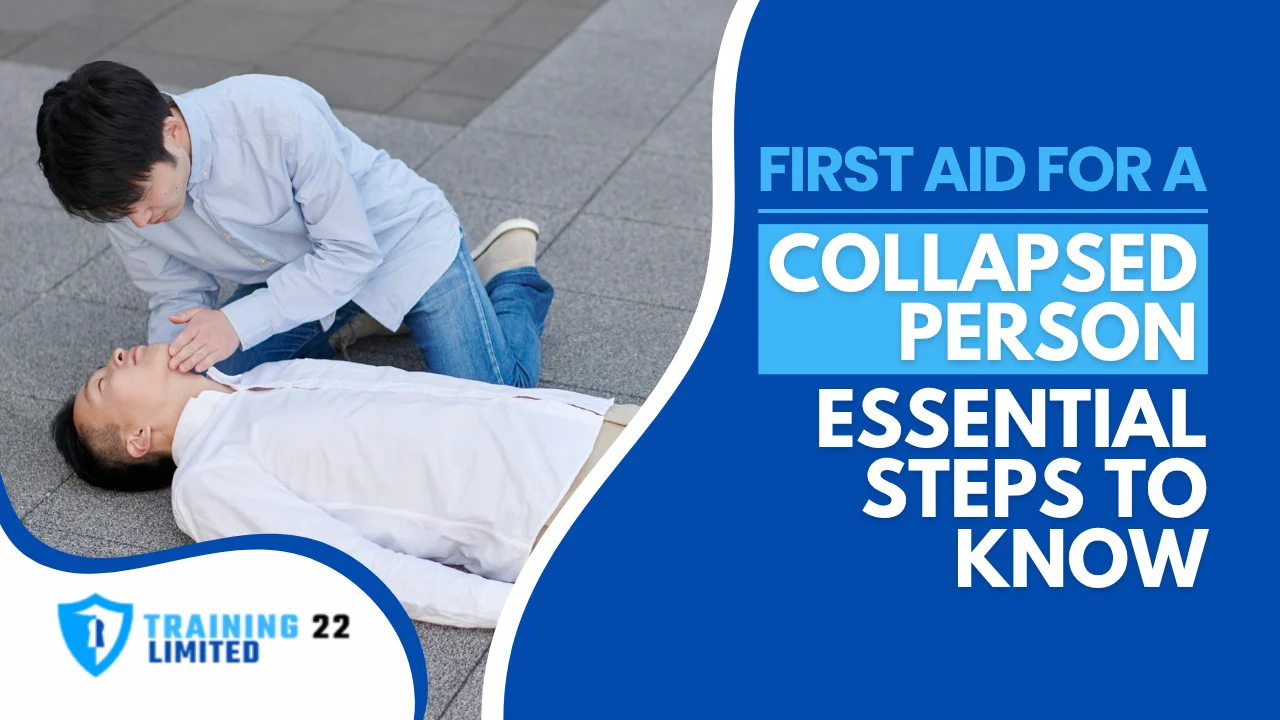
When these functions fail, BLS skills kick in. Nurses confidently perform chest compressions, rescue breaths, and use defibrillators (AEDs). This framework keeps nurses organised in chaotic situations, and it can help you too.
Knowing ABC helps anyone take action clearly. It removes confusion and gives a clear plan when panic sets in. Whether you’re helping a drowning victim or someone who has collapsed on the street, ABC guides you step-by-step.
CPR: Not Just Chest Compressions
Most people think CPR is just chest compressions. But nurses understand it’s much more. The main goal of CPR is to keep blood flowing and provide oxygen until help arrives, which takes more than just pushing hard.
- High-quality chest compressions: Proper hand placement, rhythm (100–120 beats per minute), and depth (about 5–6cm) are crucial.
- Rescue breaths: Knowing when and how to give breaths effectively to ensure air reaches the lungs.
- Minimising interruptions: Pausing less between compressions leads to better survival rates.
Training 22 in London offers hands-on Basic First Aid and CPR courses. Students practise techniques on mannequins, face simulated emergencies, and gain confidence through drills.
CPR involves both physical actions and mental readiness. Nurses learn to react instinctively, and you can develop this mindset through repeated practise and real-life scenarios.
The Role of Automated External Defibrillators (AEDs)
Nurses start using AEDs as soon as they get to the scene. These life-saving devices are also made for anyone, not just doctors and nurses.
- They deliver a shock to restart the heart during cardiac arrest.
- Nurses are taught to combine CPR with AED use for maximum effectiveness.
Many public places in the UK now have AEDs, and knowing how to use one is essential for safety. Modern AEDs have voice prompts and clear instructions. When you turn them on, they guide you through each step, making them easy for first-time users.
Learning to use an AED gives you an important tool in emergencies. Nurses use them easily, and with training, you can too. Using these devices within minutes of a collapse can double or triple the chance of survival.
Situational Awareness & Scene Safety
Nurses are trained to quickly check their environment before taking action. They make sure the area is safe for both themselves and the person in need before providing any medical help.
- Look out for hazards: electrical wires, fire, broken glass, traffic, or aggressive behaviour.
- Positioning: Nurses always approach from a safe angle and use PPE (personal protective equipment) when available.
Situational awareness is included in all certified CPR and BLS courses in London. It helps you stay safe while helping others.
Nurses also learn to plan ahead. They think about how to position a patient for healing, any obstacles that might block emergency services, and how to handle bystanders. These skills are important and can be used in any emergency situation.
Teamwork in Emergencies
Even if a nurse takes charge, teamwork is essential in emergency care. BLS promotes working together and sharing tasks effectively.
- One person does compressions, another calls for help, and another retrieves and operates the AED.
- Nurses are trained to communicate clearly: “You, call 999! You get the AED!”
BLS courses at Training 22 prepare participants for real-life emergencies through group scenarios. You will learn to work as a team, share tasks, and support each other in stressful situations.
Good communication is crucial in emergencies. Nurses understand this, so BLS training includes lessons on being assertive, clear, and taking charge. With practise, anyone can learn to lead or follow effectively when time is critical.
Keeping Calm Under Pressure
In a crisis, panic can stop action. Nurses are trained to stay calm, think clearly, and act quickly. You can learn this skill, which can make the difference between acting and hesitating.
- Breathing techniques to reduce anxiety.
- Mental rehearsal to prepare for possible scenarios.
- Confidence through repetition and muscle memory.
When you know what to do, your brain stays focused. Basic life support training is essential for everyone, not just nurses. Developing a calm mindset helps you act when it matters most.
You don’t need to be fearless to be effective. Training makes you feel more prepared, replacing fear with focus.
Continuous Learning: Nurses Stay Updated
BLS guidelines change as new research and health studies come out. Nurses need to update their skills regularly, and you should too.
- Take refresher courses every 1-2 years to stay sharp.
- Stay informed on new equipment, protocols, and best practises.
At Training 22, we provide Basic Life Support Training that follows the latest guidelines from the Resuscitation Council UK. Our instructors use their real-world experience and current knowledge to ensure that all participants receive the best education.
Continuous learning is essential for better outcomes. Staying updated on new AED models and changes in CPR timings helps you perform effectively in emergencies.
Empowering the Public: You Can Do What Nurses Do
The biggest secret nurses know is that anyone can save a life. With the right training, you can too:
- Perform CPR with confidence and accuracy.
- Use an AED to deliver life-saving shocks.
- Assess and respond to critical situations in minutes.
Taking a basic life support training course gives you the same essential skills that nurses use in emergencies. This training is a powerful way to help yourself and your loved ones.
Knowing first aid is important not just for emergencies; it also brings peace of mind in daily life. Whether you care for elderly family members, coach a youth football team, or work in a busy office, BLS skills help you feel ready for anything that might happen.
How to Get Started with BLS Training
At Training 22, we provide Basic Life Support Training in the UK for everyone. Whether you’re a nurse, teacher, parent, or office worker, our BLS course gives you essential skills and knowledge to respond confidently in emergencies.
Our Basic Life Support Training focuses on:
- Understanding the chain of survival.
- Performing high-quality CPR.
- Using an Automated External Defibrillator (AED).
- Managing unconscious casualties safely.
Each session is taught by skilled instructors who share real-world healthcare experience. Our course is accredited, practical, and easy for beginners, perfect for anyone without a medical background. You’ll learn to respond quickly and effectively in emergencies like cardiac issues or breathing crises.
We offer multiple locations in London and flexible scheduling, including evenings and weekends, making our BLS training available to everyone.
Sign up for our Basic Life Support Training UK course today and become a certified lifesaver. Explore your options and book your spot now!
Be the Help Until Help Arrives
Nurses have the skills to act in emergencies, but you can learn these skills too. With the right Basic Life Support (BLS) training and mindset, you can help save lives.
You might be the only person around during a medical emergency. By learning what nurses know, you can make a difference and stay calm when chaos strikes.
Don’t wait for an emergency. Get trained in BLS. Your knowledge could save a life.