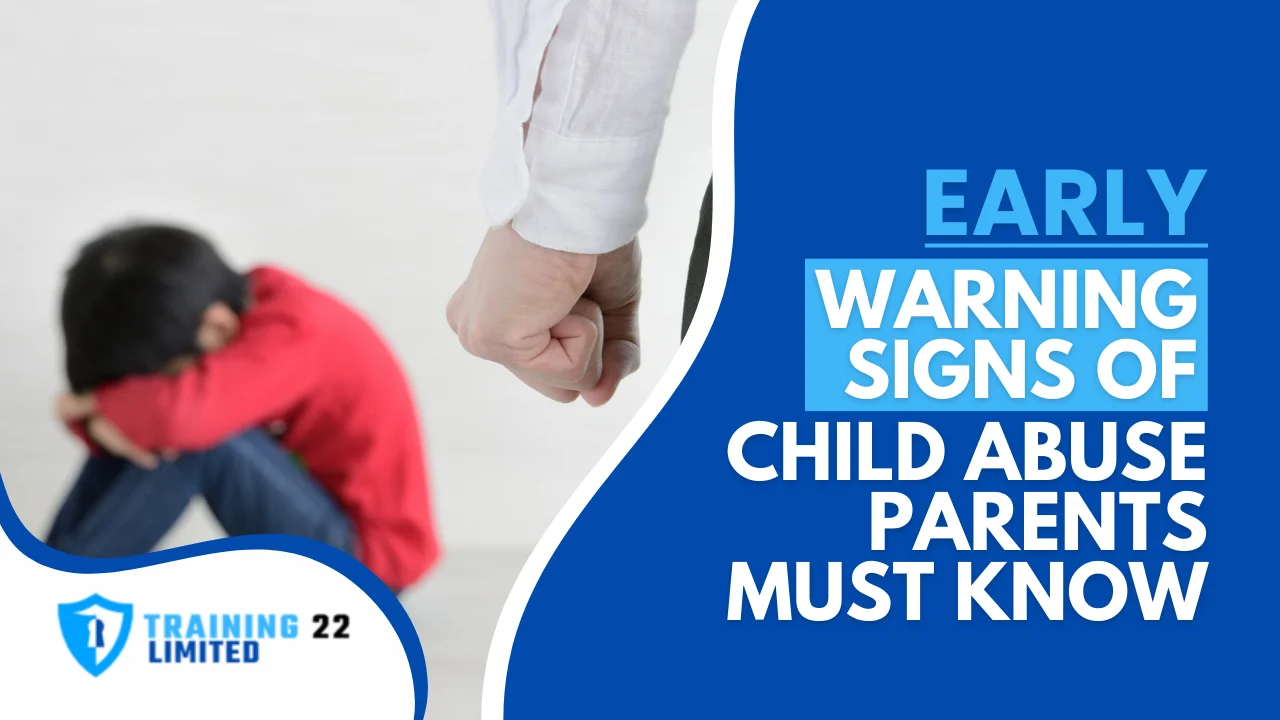
Child abuse is a serious issue affecting families and communities in the UK. Every year, schools, healthcare workers, and community services team up to protect children from harm. Abuse often starts with subtle signs that are easy to overlook, rather than extreme situations.
It’s important for parents and the public to understand the early warning signs of child abuse highlighted by UK authorities. When adults spot these signs early, they can act to prevent long-term harm and help children get the support they need.
Everyone, parents, teachers, neighbours, and community members, shares the responsibility of keeping children safe. Learning to recognise warning signs allows adults to respond quickly. Early action can mean the difference between a child staying in a harmful situation or getting the care they deserve.
Understanding Child Abuse in the UK
Child abuse means any action or lack of action that harms a child or causes serious distress. In the UK, there are several main types of abuse: physical, emotional, sexual, and neglect. Children can experience more than one type of abuse at the same time, and each type has different warning signs.
Physical abuse means causing physical harm to a child. Emotional abuse involves constant criticism, humiliation, or manipulation that hurts a child’s self-esteem. Sexual abuse is forcing or convincing a child to participate in sexual activities. Neglect happens when a child’s basic needs, like food, safety, care, education, or emotional support, are not met consistently.
Identifying abuse early is hard because children often find it difficult to express what they are going through. They might feel scared or unsure about speaking up. Some fear they won’t be believed, while others may think the situation is normal if it has been happening for a long time.
That’s why adults need to watch for changes in a child’s behaviour or physical signs of trouble. Professionals working with children must follow strict UK guidelines to spot and report abuse. However, parents and the public also play a vital role in noticing early signs of child abuse that safeguarding organisations want people to recognise.
Why Early Detection Protects Children
Detecting abuse early is a strong way to keep children safe. If abuse is unnoticed, it can hurt a child’s emotional growth, education, and mental health. Long exposure to abuse can cause anxiety, depression, trust issues, and trouble forming healthy relationships in the future.
When warning signs are spotted early, support services can step in before things get worse. Safeguarding professionals can assess the situation, support families, and keep the child safe. Often, early intervention aims to help families improve instead of punishing them.
Parents who know how to identify signs of child abuse in the UK are better equipped to act quickly. Even small or uncertain signs should be reported to safeguarding professionals. They can evaluate the situation, determine if the child is at risk, and decide what support is needed.
It’s always better to share concerns early rather than wait for a situation to worsen. Following UK child protection guidelines ensures that concerns are addressed responsibly and that children get the protection they require.
Behavioural Warning Signs Children May Display
Behaviour changes often signal a problem. Children who feel scared, stressed, or unsafe may struggle to share their feelings. Instead, their emotions show through their behaviour.
Some children may become quiet or withdrawn, while others might show anger or become easily upset. A child who once loved school, sports, or friends may suddenly avoid these activities. These changes can start subtly but become more obvious over time.
UK safeguarding experts often notice common warning signs of child abuse, including:
- Sudden changes in personality
- Fear of certain adults or places
- Avoiding school or social events
- Increased anxiety or nervousness
- Going back to younger behaviours, like bedwetting
- Trouble concentrating in school
Children facing abuse may seem constantly worried about making mistakes. They might show too much fear of punishment or try too hard to please adults.
While some of these behaviours can have other reasons, repeated patterns alongside other signs may indicate a need for concern. Recognising these behaviours helps parents implement child safety tips and take action when needed.
Physical Signs That May Indicate Abuse
Physical signs can show that a child might be hurt. However, it’s important to think carefully about these signs since children can get hurt accidentally during regular play.
Safeguarding professionals look closely at injuries that happen often, injuries without clear reasons, or injuries that don’t match the story given. For instance, many bruises, burns, or cuts in strange places might need more attention.
Parents and caregivers should seek professional advice if they notice any of the following signs:
- Frequent unexplained bruises
- Injuries with unusual shapes or patterns
- Burns or marks that look like objects
- Repeated injuries over time
- Signs of untreated medical issues
Children who try to hide their injuries, wear long clothes in warm weather, or give different explanations may also need extra care.
Noticing these signs doesn’t automatically mean abuse is happening. However, following child protection guidelines in the UK helps professionals assess the situation and keep the child safe.
Emotional and Psychological Warning Signs
Emotional abuse is hard to spot because it doesn’t leave physical marks. However, it can seriously hurt a child’s mind and last a long time.
Kids who suffer emotional abuse may feel sad, anxious, or scared all the time. They might lack confidence and feel unsure in social settings. Over time, this abuse can change how they view themselves and interact with others.
Professionals who look for child abuse in the UK often watch for signs of emotional distress, such as:
- Extreme anxiety or constant worry
- Low self-confidence
- Fear of making mistakes
- Withdrawing from friends
- Trouble forming relationships
Older children might show more serious signs like self-harm, emotional outbursts, or a drop in school performance.
Recognising these emotional signs early helps families, schools, and protection professionals offer the right support. Emotional health is crucial for keeping children safe, and addressing problems quickly can prevent long-term damage.
Signs of Neglect Parents Should Never Ignore
Neglect is a common concern for child safety in the UK. Unlike other types of abuse, neglect often develops slowly and can become normal for a family over time.
Neglect happens when a child’s basic needs, like food, shelter, medical care, supervision, education, or emotional support, are not met consistently. This can harm a child’s health and development.
Children facing neglect may often look hungry, tired, or not dressed properly for the weather. They might skip school frequently or have poor hygiene.
Key signs of neglect include:
- Dirty clothing or poor hygiene
- Constant hunger or hoarding food
- Inappropriate clothing for the weather
- Frequent school absences
- Untreated medical or dental issues
Spotting neglect early helps support services assist families before the situation worsens. Early help might include parenting support, financial aid, or community services to improve a child’s living conditions.
What To Do If You Suspect Child Abuse
If you think a child might be abused, stay calm and act responsibly. It can be hard to report your concerns, especially if you know the person involved, but protecting the child is the most important thing.
Do not try to investigate or confront the person yourself. Instead, report your concerns to professionals trained in handling these situations.
In the UK, you can report safeguarding concerns to local safeguarding partnerships, children’s social services, or the NSPCC helpline. These organisations follow guidelines to evaluate the information and decide the next steps.
If a child is in immediate danger, call emergency services right away. Otherwise, share your concerns with professionals so they can safely investigate.
Remember, reporting a concern is not an accusation. It helps trained professionals assess the situation and provide the needed support to the child.
The Role of Safeguarding Training for Adults
Education and awareness are key to effective safeguarding. Many professionals working with children, like teachers, childcare workers, healthcare staff, and youth leaders, must complete safeguarding training.
Safeguarding education helps adults spot early signs of child abuse, as highlighted by UK authorities. It also teaches them how to react and report properly.
Courses like the child safeguarding course in London offer practical guidance for adults who want to know their safeguarding duties.
In these courses, participants learn to:
- Identify signs of potential abuse
- Understand their safeguarding responsibilities
- Respond correctly to disclosures
- Follow proper reporting procedures
- Support children safely
For parents, community workers, and professionals in London, completing a safeguarding course can boost their knowledge and confidence. Education is vital in preventing abuse and ensuring children are protected.
Building Safer Communities Through Awareness
Children’s safety isn’t just up to parents or professionals. It needs everyone, families, schools, communities, and organisations to work together.
Community awareness is key to stopping abuse. When more people know the warning signs and feel safe reporting issues, children get help faster.
Public education, safeguarding policies, and training for professionals strengthen child protection systems. Communities that focus on safety create spaces where children feel secure and supported.
By recognising the warning signs of child abuse and following trusted guidance, families and communities can join forces to protect vulnerable children.
Helping Children Feel Safe and Supported
Creating a safe and supportive environment starts with trust. When children feel comfortable talking to adults, they are more likely to share their worries or ask for help if they feel unsafe.
Parents and caregivers can promote open communication by listening well, responding calmly, and assuring children that their feelings matter. Children should feel secure discussing anything without fear of being ignored or blamed.
Here are some practical child safeguarding tips for parents:
- Encourage regular chats about school and friendships.
- Teach children about personal boundaries and safety.
- Listen carefully when children express concerns.
- Reassure children that they will be believed and supported.
- Seek professional advice if something feels off.
When children know trusted adults support them, they are more likely to report uncomfortable situations before they turn into serious issues.
Protecting Children Starts With Awareness
Recognising early signs of abuse is key to protecting children. By knowing the behavioural, physical, and emotional warning signs, families and communities can step in before harm occurs.
Safeguarding is everyone’s responsibility. Parents, teachers, employers, neighbours, and community members should stay informed about the warning signs of child abuse. This knowledge can make a real difference.
Education and awareness help ensure children get the protection they need. By learning practical safeguarding tips and understanding the signs of child abuse, adults can create safer environments where children feel supported and can thrive.