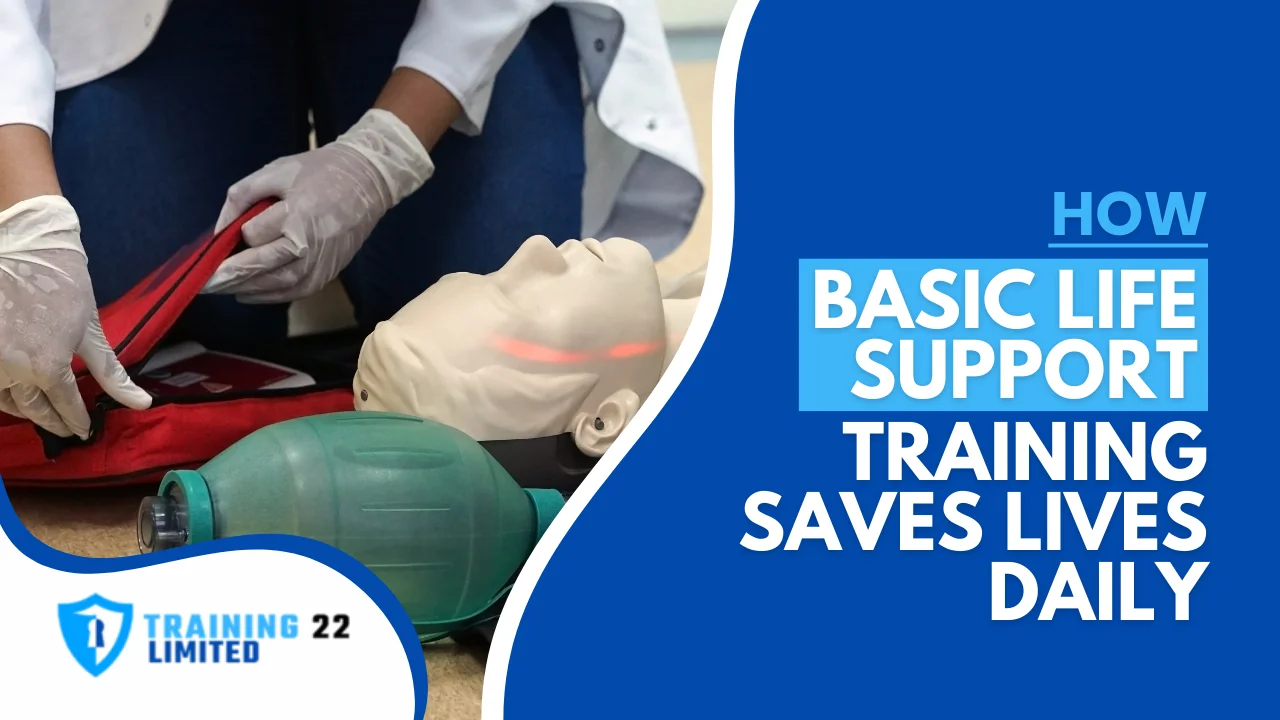
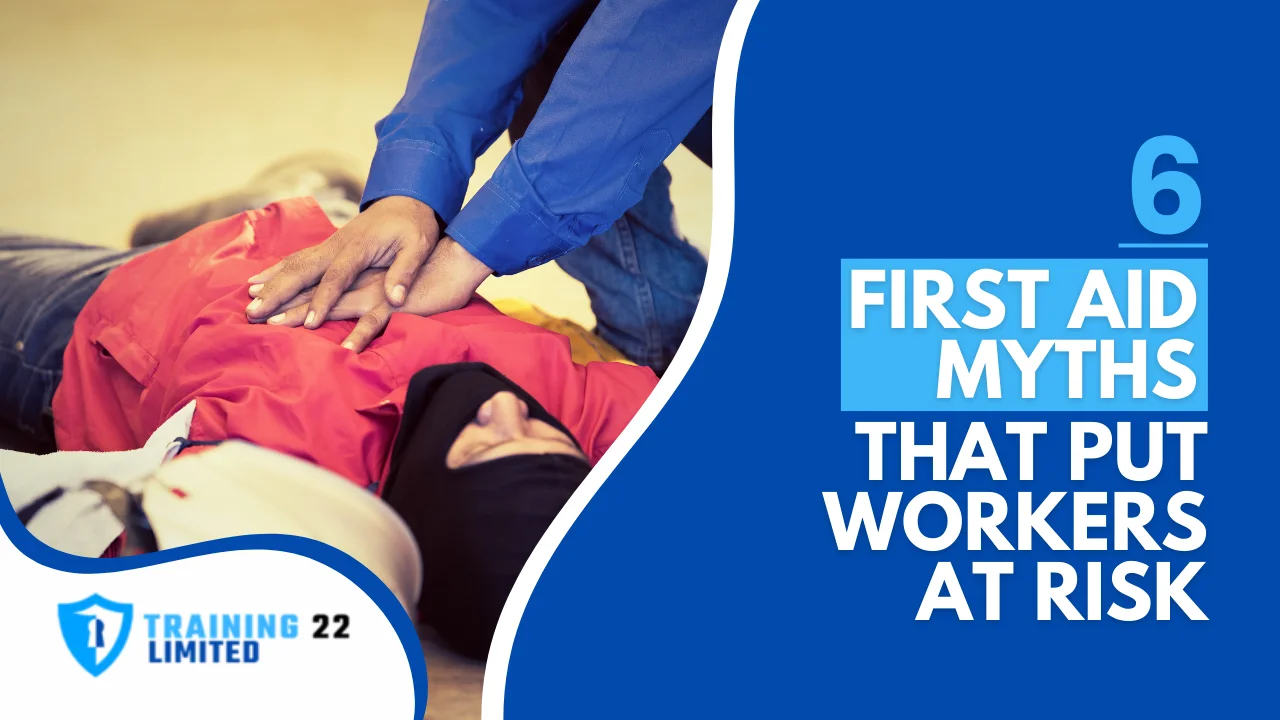
First aid knowledge is very important in any workplace. It can save lives, lower injury severity, and help with quick emergency responses. However, many dangerous myths about first aid still exist in UK workplaces. These false beliefs can seriously risk workers, especially during accidents.
Misinformation can be as harmful as doing nothing. If someone makes an emergency decision based on a myth or something they saw on TV, it could lead to disaster. Lives may be at risk due to these common but wrong beliefs.
At Training 22, we know that accurate knowledge from proper training can really help. Whether you’re on a busy construction site or in a quiet office, knowing how to respond in a crisis is essential. Let’s clear up the six most common first aid myths that might endanger your workplace and your colleagues’ lives.
Myth #1: “You Should Always Move an Injured Person”
One dangerous myth is that moving an injured person is helpful. Many believe that shifting someone after a fall, collision, or machinery accident shows care.
In truth, moving someone can worsen their injuries, especially if they have a neck, back, or spinal injury. Only trained first aiders should decide if it’s safe to move someone. If the area is safe and the injured person isn’t at risk, it’s better to keep them still until emergency services arrive.
Key Takeaways:
- Spinal injuries can be made worse by unnecessary movement.
- Secure the area to ensure there is no ongoing danger.
- Provide reassurance and keep the casualty warm and still.
- Learn these essential techniques in our One Day First Aid at Work Course in London.
Knowing when and how to move an injured person safely isn’t something everyone naturally understands. You need practise with certified instructors to gain confidence in real-life situations.
Myth #2: “Putting Butter or Cream on Burns Helps”
Many people believe that using butter, toothpaste, or cream helps soothe burns. This idea has been around for a long time, appearing in home remedies and cookbooks. However, it’s old advice and can actually be harmful.
The truth is, greasy substances like butter hold heat in the skin, making the burn worse and raising the risk of infection. Toothpaste can also have ingredients that irritate or harm the skin. The best way to treat a burn is to cool it under cold running water for at least 20 minutes. Do not apply anything else unless a doctor tells you to.
What You Should Do:
- Use clean, cool running water immediately, don’t wait.
- Remove jewellery, watches, or clothing near the burn (unless stuck to the skin).
- Cover with a sterile, non-fluffy dressing like cling film.
- Never pop blisters or apply ice directly.
- Learn correct burn treatment in our Emergency First Aid at Work Course in London to ensure your workplace is prepared.
Burn injuries, especially from chemicals or electricity, need expert care. Quick and proper first aid can greatly lessen long-term harm.
Myth #3: “If Someone Is Having a Seizure, You Should Restrain Them”
Watching a co-worker have a seizure can be scary. In a panic, some people think they should hold the person down or put something in their mouth to prevent injury or stop them from biting their tongue. However, this old method can actually cause serious harm.
Truth: Restraining someone during a seizure can cause broken bones or sprains. Putting objects in their mouth can chip teeth or lead to choking. Instead, keep the person safe and let the seizure happen naturally.
Safe Steps to Take:
- Clear the surrounding area of sharp or dangerous objects.
- Cushion their head gently with a folded jacket or something soft.
- Do not restrain their limbs or try to stop the movement.
- Time the seizure and call for help if it lasts more than 5 minutes or if it’s the person’s first seizure.
- When the seizure stops, place the individual in the recovery position and stay with them until help arrives.
Knowing how to respond to seizures is important for getting a First Aid at Work Certificate in London and being a supportive coworker.
Myth #4: “You Only Need First Aid if You Work in a High-Risk Job”
Many office, retail, and educational workers think first aid training isn’t needed because they don’t handle chemicals, construction, or machines. This assumption can create a dangerous lack of readiness.
However, accidents can occur anywhere. Someone might faint at their desk or have a severe allergic reaction in the lunchroom. Even low-risk jobs have hidden dangers. Having a trained person nearby can make a critical difference in emergencies.
Be Prepared Everywhere:
- Even minor injuries, like deep cuts or burns from a kettle, require proper care.
- Medical emergencies like asthma attacks, choking, or cardiac arrest can happen in any environment.
- Enrolling in an EFAW Course in London prepares all employees to manage a wide range of incidents.
- Workplace legislation recommends that employers provide adequate and appropriate training, even in low-risk settings.
Don’t wait for an emergency to see that you need training. First aid is everyone’s job.
Myth #5: “You Can’t Help Without Equipment”
Many people panic during emergencies because they believe they need a complete set of medical tools to help. If they don’t have a defibrillator or a full first aid kit, they think they can’t do anything.
The truth is, while having the right tools is useful, your knowledge and quick thinking are more important. Simple actions like pressing on a wound or doing CPR can save lives and don’t need any tools.
Skills Matter More Than Supplies:
- Use your hands to apply pressure and stop bleeding.
- Improvise with clean clothing, towels, or other materials when a first aid kit isn’t available.
- Chest compressions during CPR don’t require any equipment.
- A certified HSE-approved First Aid Course London teaches improvisation and practical application in real-world scenarios.
Remember, equipment can break or not be available, but your training and knowledge are always with you.
Myth #6: “CPR Always Brings Someone Back to Life”
Movies often show CPR bringing someone back to life right away, making people think it always works. This creates unrealistic expectations during emergencies.
In reality, CPR helps keep blood with oxygen flowing to the brain and heart. It doesn’t always revive someone, but it does give them the best chance until professional help arrives.
Realistic Expectations:
- High-quality CPR, especially when combined with a defibrillator (AED), significantly increases survival rates.
- Even if the person doesn’t regain consciousness immediately, your efforts are crucial in preventing brain damage.
- The First Aid at Work Certificate London teaches you how to perform CPR correctly and manage expectations with confidence.
Knowing the true purpose of CPR will help you act better in tough situations.
The Hidden Cost of Believing Myths
Incorrect information can cause lasting harm. It can worsen injuries and delay the right treatment. Workplace myths can:
- Undermine emergency response efforts.
- Lead to panic or poor decision-making.
- Create a false sense of security or helplessness among staff.
Proper first aid training in the UK gives workers the skills and mindset to combat false information. At Training 22, our training focuses on building confidence, ensuring clarity, and promoting community safety.
Enrol Today in Our Trusted Courses:
- Emergency First Aid at Work Course London
- First Aid at Work Course London
Each course focuses on real-life situations, clears up myths, and provides the latest knowledge that can save lives.
Why First Aid Knowledge Saves Lives
Breaking down myths is crucial for saving lives. In emergencies, every second matters. What workers know can determine life or death.
With growing workplace demands and different employee needs, having skilled first aiders on-site can:
- Reduce accident severity.
- Decrease recovery time.
- Boost employee morale and confidence.
How Training 22 Helps:
- We offer accredited and engaging first aid training UK suited for modern workplaces.
- Our instructors bring hands-on experience and relatable examples to every session.
- Courses are tailored to various industries and workplace settings.
- All modules focus on real-life scenarios, not just textbook theory.
We go beyond certification; we help create a culture of safety.
How to Spot Other First Aid Myths in the Workplace
Being proactive is better than reactive. Talk about safety and question advice that seems off. Myths often come from people who mean well but are misinformed.
Spotting the Signs:
- “I read online you should do this…”
- “My grandma said this works.”
- “Let’s wait, maybe they’ll feel better in a bit.”
Your Response:
- Speak up kindly but firmly.
- Share facts from your One Day First Aid at Work Course in London.
- Keep updated with industry-approved techniques and changes.
- Suggest that your workplace regularly refresh its training.
Workplace safety is everyone’s job. Speak up if you hear wrong information, even if it feels awkward.
Make First Aid Everyone’s Business
Myths are tough to change, but facts can save lives. Encourage your workplace to invest in current first aid training in the UK. This will make the environment safer for everyone. Don’t let false information put lives at risk. Get trained. Stay prepared. Set an example.
Everyone has a role, whether you’re an employer, team leader, or new employee. One trained person can make a difference and save lives.
Action Steps:
- Review your workplace’s current emergency plans.
- Encourage team-wide enrolment in certified first aid programmes.
- Promote a culture of continuous learning and safety.