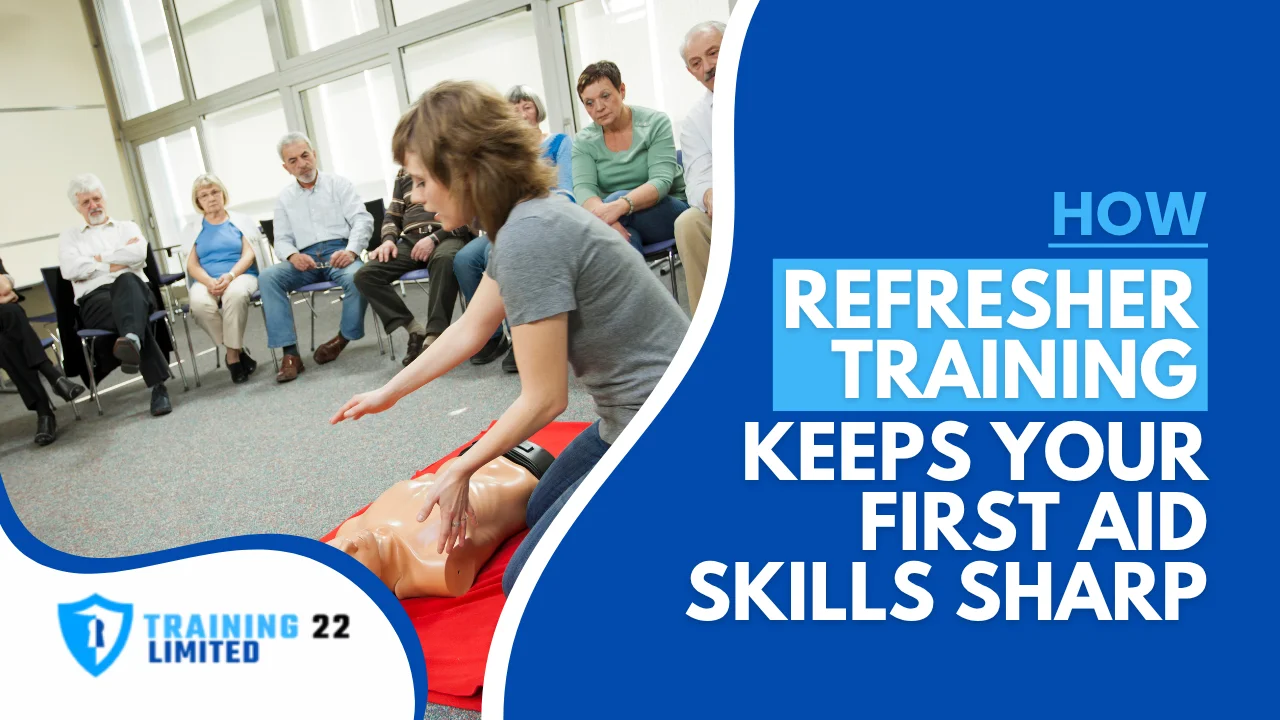
Remember how you felt after your first aid course at work? You probably felt confident and ready to handle emergencies. However, like any skill, first aid can fade if you don’t use it regularly. Studies show that people start to forget vital techniques, like CPR or the recovery position, within six months of training.
Skills like stopping bleeding, helping choking victims, or spotting stroke signs can get rusty over time if not practised. Without regular practise, these life-saving techniques may not come to mind when needed, leading to panic or inaction. Even experienced first aiders can feel unsure under pressure.
This decline in knowledge is why the Health and Safety Executive (HSE) advises refreshing your first aid training every three years. Without these refreshers, you might struggle to help someone in an emergency. First aid isn’t just about knowing the theory; it’s about quick thinking and action, which requires regular practise.
The Importance of Staying Current
Medical advice changes over time. Techniques that were once effective may now be outdated or not recommended. Refresher training helps you learn current first aid skills that follow the latest guidelines.
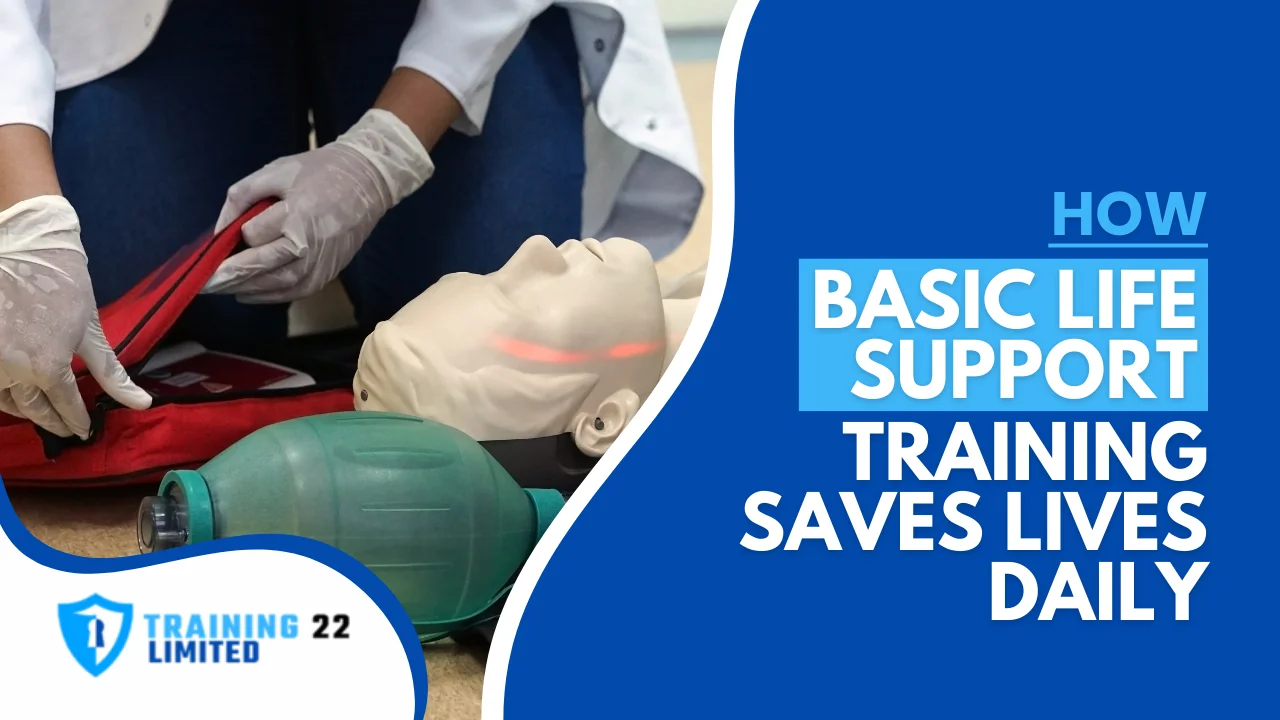
For example, CPR guidelines have changed a lot in recent years. The ratio of chest compressions to breaths has been updated, and using defibrillators is now common. Many workplaces and public areas have AEDs, but you need updated training to use them correctly. Keeping your first aid training current is crucial for handling emergencies effectively.
The approach to treating burns, allergic reactions, and seizures may also have changed. Guidelines are continuously reviewed based on new research and feedback from healthcare workers. If your training is outdated, you could accidentally apply methods that are no longer safe or effective.
Refresher Training: Not Just a Checkbox
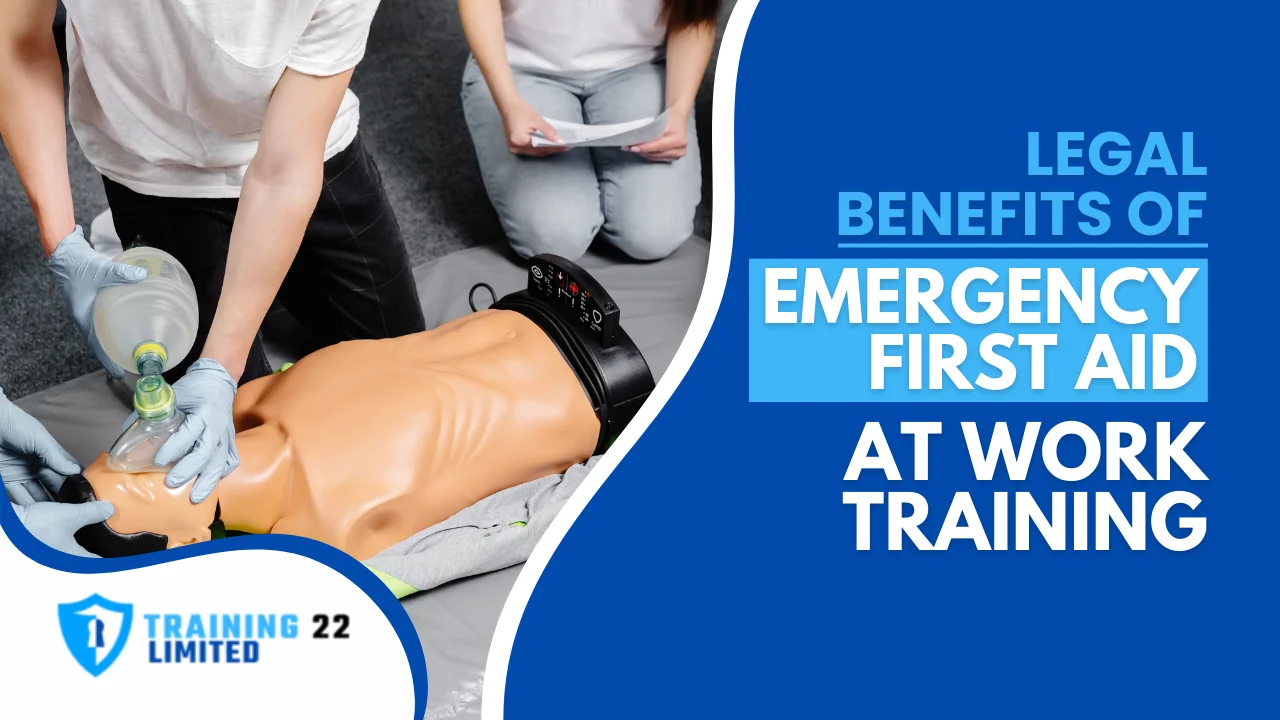
Some see refresher courses as just a requirement, but they offer much more. These sessions strengthen your skills, increase your confidence, and let you practise important techniques you may not use often.
Through hands-on exercises and feedback from instructors, refresher training helps you feel ready for emergencies at home, work, or in public. It’s not just about meeting rules; it’s about knowing how to act when every second matters.
Whether you’re renewing your Level 3 EFAW Training in London or a warehouse supervisor preparing for Emergency Workplace First Aid certification, refresher training has real value that can save lives. It also gives you a chance to ask questions, clarify misunderstandings, and build confidence in new or updated procedures.
Key Benefits of First Aid Requalification
Staying current with first aid requalification offers numerous advantages:
- Improved Response Time: Practise helps reduce hesitation during an emergency.
- Confidence Boost: Knowing you’re acting based on the latest training reduces panic.
- Legal Compliance: Refresher training helps meet HSE standards for workplace safety.
- Workplace Readiness: Updated training is often required for specific roles or industries.
- Better Outcomes: Timely and correct response increases survival chances and reduces recovery time.
- Enhanced Team Safety: When more people are confident in their skills, team cohesion and safety improve.
For people in public-facing jobs or risky environments, current training can truly be a lifesaver. When more people in a workplace or community are trained, everyone is better prepared, and we rely less on emergency services.
Who Needs First Aid Refresher Training?
Anyone responsible for the safety of others should consider regular refresher sessions. This includes:
- Teachers and childcare professionals
- Warehouse, factory, and construction staff
- Office first aiders
- Hospitality workers
- Fitness instructors and personal trainers
- Public transport personnel
If you took a One Day First Aid at Work Course in London two or three years ago, it’s time to renew your certification. Many industries, like education and care, now need regular first aid renewals to stay employed.
Parents and caregivers should also refresh their skills with our Paediatric First Aid Course and Emergency Paediatric First Aid course. Children have unique needs, so it’s important to be ready for accidents at home, in nurseries, or in schools.
Signs Your First Aid Skills May Be Outdated
Not sure if you need refresher training? Here are some tell-tale signs:
- You hesitate during first aid simulations or role plays
- You can’t recall CPR compression ratios or steps
- You’re unfamiliar with AED usage
- You haven’t seen updates since your last training
- You feel unsure about managing newer risks like opioid overdose, mental health crises, or extreme allergic reactions
- You rely on outdated knowledge or myths (e.g. tilting the head back during a nosebleed)
If any of this applies to you, signing up for an HSE-approved first Aid Course in London is a great choice. It can make a big difference in emergencies.
How Often Should You Refresh Your First Aid Training?
The HSE recommends that first aiders update their skills every year and requalify every three years. This keeps you compliant and skilled.
While an annual update is not required, it provides a quick and effective review of important life-saving skills. For workplaces, this is a valuable investment in safety and staff preparedness.
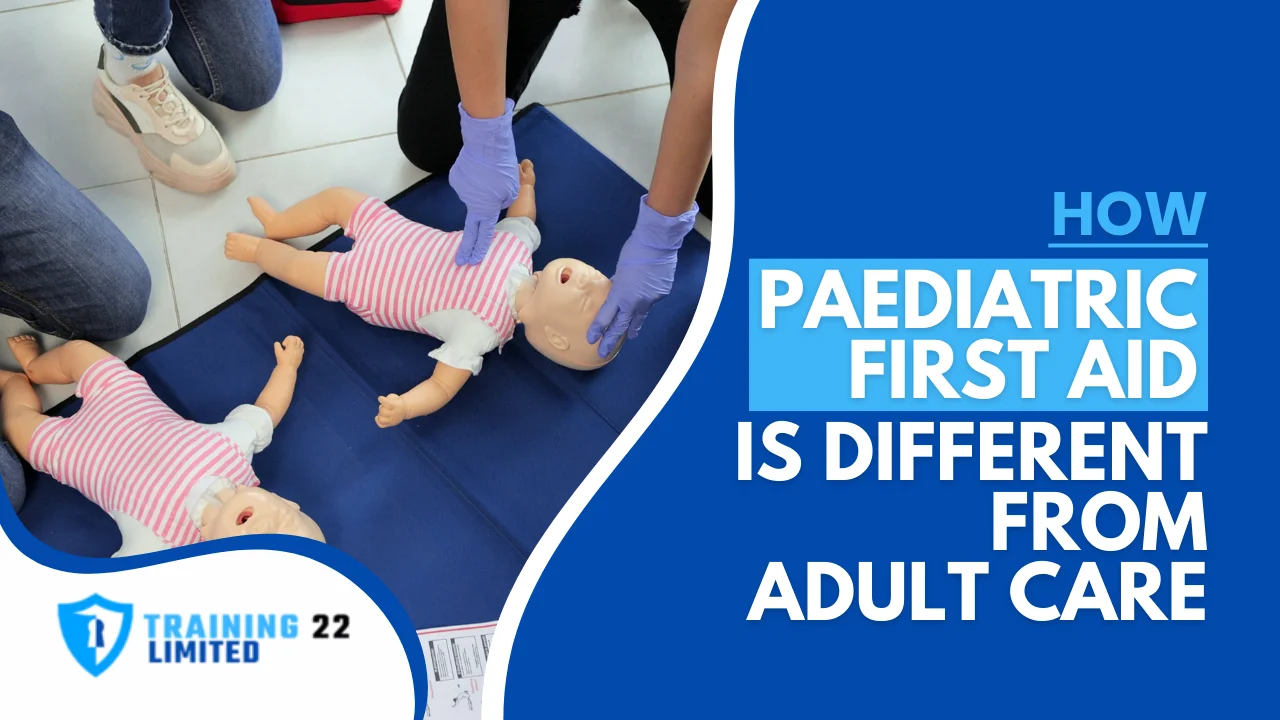
For those working with children, it’s crucial to keep your Paediatric first aid training up to date. Children’s responses to injuries differ from those of adults; their airways are smaller, their skin is more sensitive, and their emotional needs in emergencies are often more complex.
What to Expect During a Refresher Course
Refresher training is often shorter than the original certification course but just as impactful. A typical session will include:
- Revisiting CPR and recovery positions
- AED (defibrillator) training
- Managing unconscious casualties
- Handling burns, bleeding, and choking
- Managing asthma attacks, allergic reactions, and seizures
- Understanding updates to first aid kits and new health threats
If you have taken a first aid at work course before, the refresher will seem familiar and will include updates based on current guidelines.
The courses are practical, friendly, and engaging. Trainers use roleplay and interactive methods to help you learn, so you feel confident when you need to act under pressure.
Tailoring Refresher Courses to Specific Needs
At Training 22, we customise your training experience. Whether you’re scheduling a team refresher or renewing your own credentials, our trainers adjust scenarios to fit your workplace and role. We serve all types of professionals and ensure the training is relevant to your needs.
Options include:
- 3 Day First Aid at Work Course London
- Emergency Workplace First Aid London
- Fully accredited Paediatric first aid training and Emergency Paediatric first aid training (perfect for parents, teachers, and childminders)
We offer in-person courses and blended learning options for flexible and convenient learning, ensuring quality and compliance.
The Role of Refresher Training in the Workplace
Employers must ensure their first aiders are always competent. Regular refresher training meets this obligation, helps employees feel safe, and prepares the organisation for emergencies.
Companies that invest in training usually see benefits like better employee morale, fewer accidents, and a stronger reputation. When employees know their employer cares about safety, they are more engaged and productive. In emergencies, quick responses can lessen injuries, reduce insurance claims, and even save lives.
Refresher training, whether in offices, warehouses, schools, or retail spaces, promotes a culture of health and safety. It improves teamwork and encourages shared responsibility among employees.
Don’t Let Your Skills Fade – Stay Ready!
Emergencies are unpredictable, but you can respond effectively. Regular training helps keep your skills sharp.
A few hours each year can turn uncertainty into confident action. Whether you need to renew a certificate, meet HSE guidelines, or boost your confidence, refresher training is essential.
Want to update your knowledge? Check out our HSE-recognised first aid at work course and Emergency Workplace First Aid in London. If you care for a child, see our accredited Paediatric First Aid and Emergency Paediatric First Aid training options.