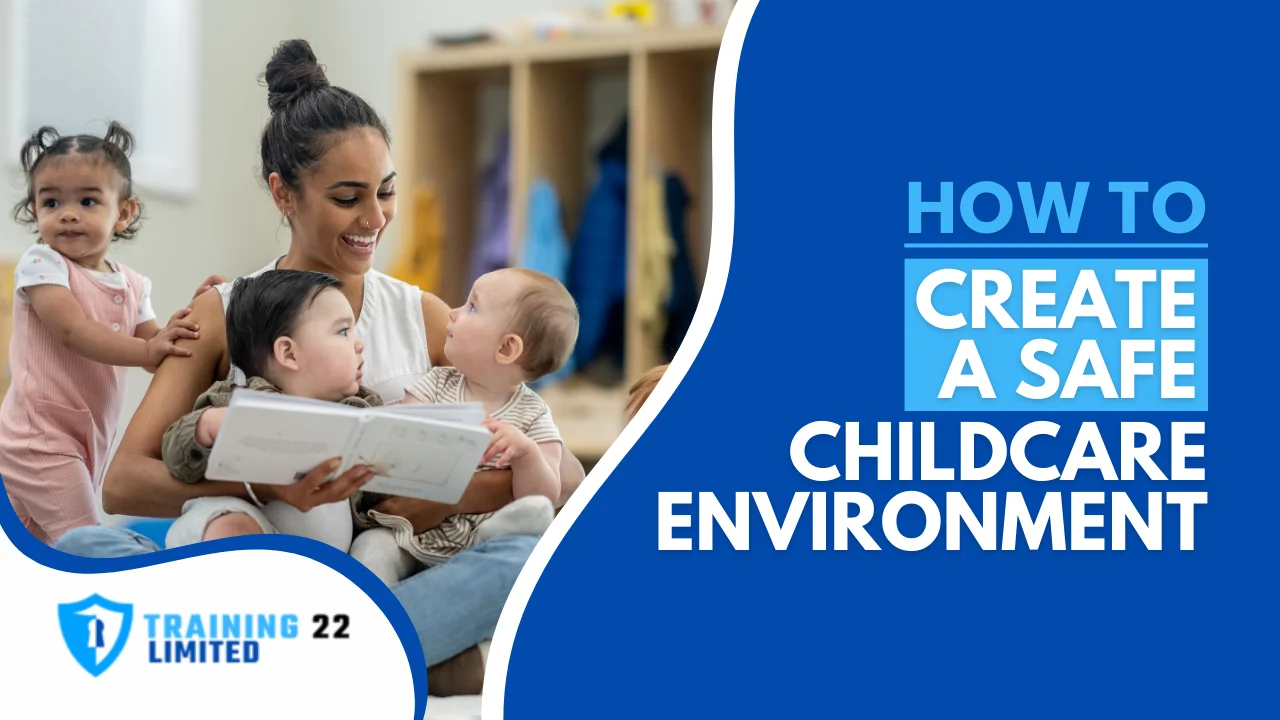
Creating a safe and supportive environment for children is a top priority for parents, teachers, and childcare providers. In the UK, strict rules help protect children’s well-being, making it vital to follow best practises. This guide outlines key steps for assessing risks, implementing safety measures, and promoting a culture of safeguarding to create a secure and enriching childcare space.
A safe setting not only prevents accidents but also helps children develop emotionally, build trust, and gain confidence. This guide provides practical strategies, real examples, and expert advice to help you offer the best care possible.
Why Safety in Childcare Matters More Than Ever
Early childhood development involves love, learning, and growth. However, these can only thrive in a safe environment. Safety promotes emotional health, builds confidence, and supports physical and mental development. Whether it’s a nursery, home childcare, preschool, or after-school program, ensuring safety is essential for gaining the trust of children, parents, and caregivers.
Even minor accidents can be traumatic for children and may lead to lasting emotional effects, harm the provider’s reputation, and create legal issues. By prioritising child safety, you are not just meeting regulations; you are fulfilling a moral duty. It shows you care about each child’s life and potential.
Start with a Thorough Risk Assessment for Childcare Settings
To make real improvements, first, find out what risks exist. A risk assessment for childcare helps you identify hazards and see if current safety measures work well.
Key steps in childcare risk assessment:
- Identify potential hazards (e.g., sharp corners, unsecured shelves, trip hazards, unsafe play equipment).
- Understand who could be harmed and how (children, staff, parents, visitors).
- Evaluate the likelihood and severity of risks.
- Decide on suitable measures to eliminate or reduce the risks.
- Document the process and communicate it with staff.
- Review regularly and whenever changes are made to the environment.
Risk assessments should include indoor and outdoor spaces, daily routines, special events, and transportation if needed. Involving staff in the assessment helps improve implementation and awareness.
Physical Safety: Secure the Space, Secure the Child
Children are naturally curious and sometimes do not notice danger, so keeping them safe is very important in childcare. Your space should make it easy for kids to explore while also being safe. This applies to everything from the building’s design to the choice and care of toys.
Top physical child safety measures include:
- Install child-proof locks on drawers and cabinets containing cleaning products or sharp objects.
- Using safety gates for stairs and external doors.
- Adding corner guards and cushioning to sharp furniture edges.
- Conducting regular inspections and maintenance of toys, furniture, and play equipment.
- Ensuring floor surfaces are non-slip and free from loose mats or cords.
Signs for kids, safety artwork, and fun safety games can help toddlers understand basic safety concepts. The aim is to make safety a natural part of their surroundings.
Safeguarding Children: Protecting Them from Harm
In UK childcare settings, safeguarding is both a legal and ethical duty. It means protecting children from abuse, neglect, exploitation, and harm. Every registered childcare provider must have a safeguarding policy that follows local authority and Ofsted rules.
Key elements of safeguarding include:
- Vetting all staff and volunteers through the Disclosure and Barring Service (DBS).
- Appointing a Designated Safeguarding Lead (DSL) responsible for handling concerns.
- Training all staff in child protection procedures and signs of abuse.
- Maintaining confidential, accurate records of concerns.
- Having clear whistleblowing and reporting procedures in place.
To keep people safe, we must stay alert, speak openly, and work with outside groups when necessary. Regular training helps staff stay current with policy updates and best practises.
First Aid Training: A Lifesaving Must-Have
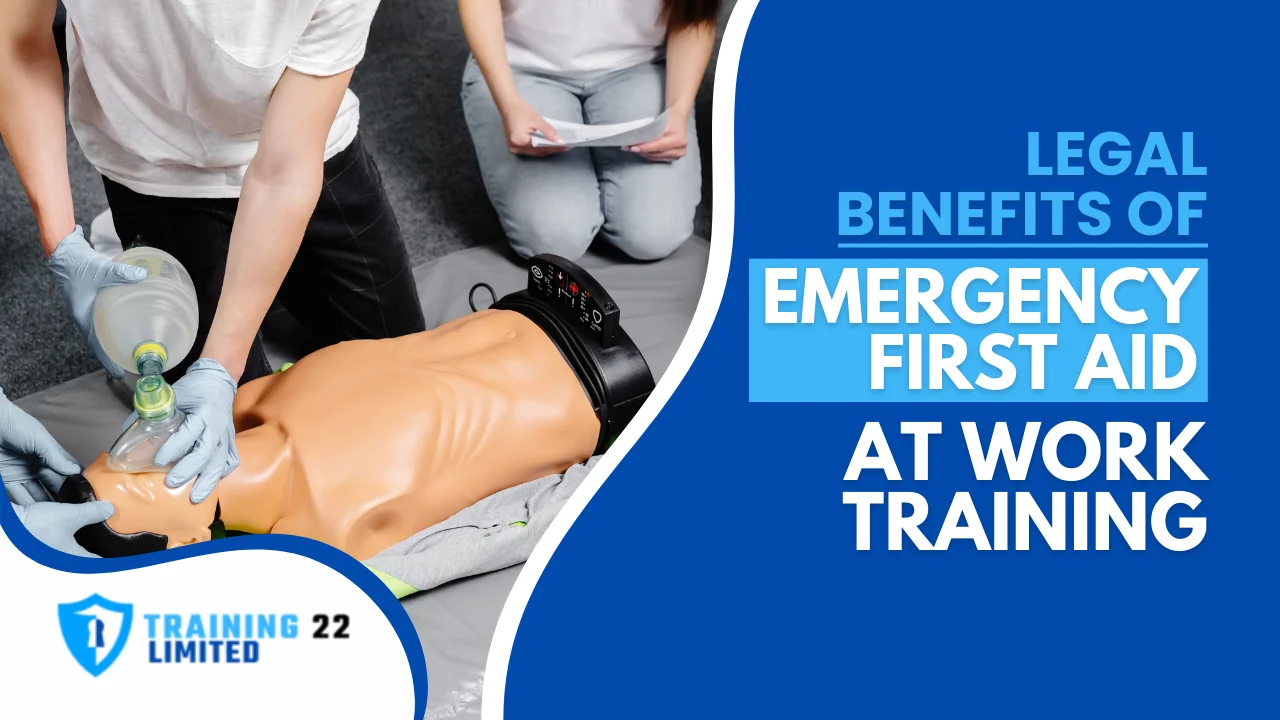
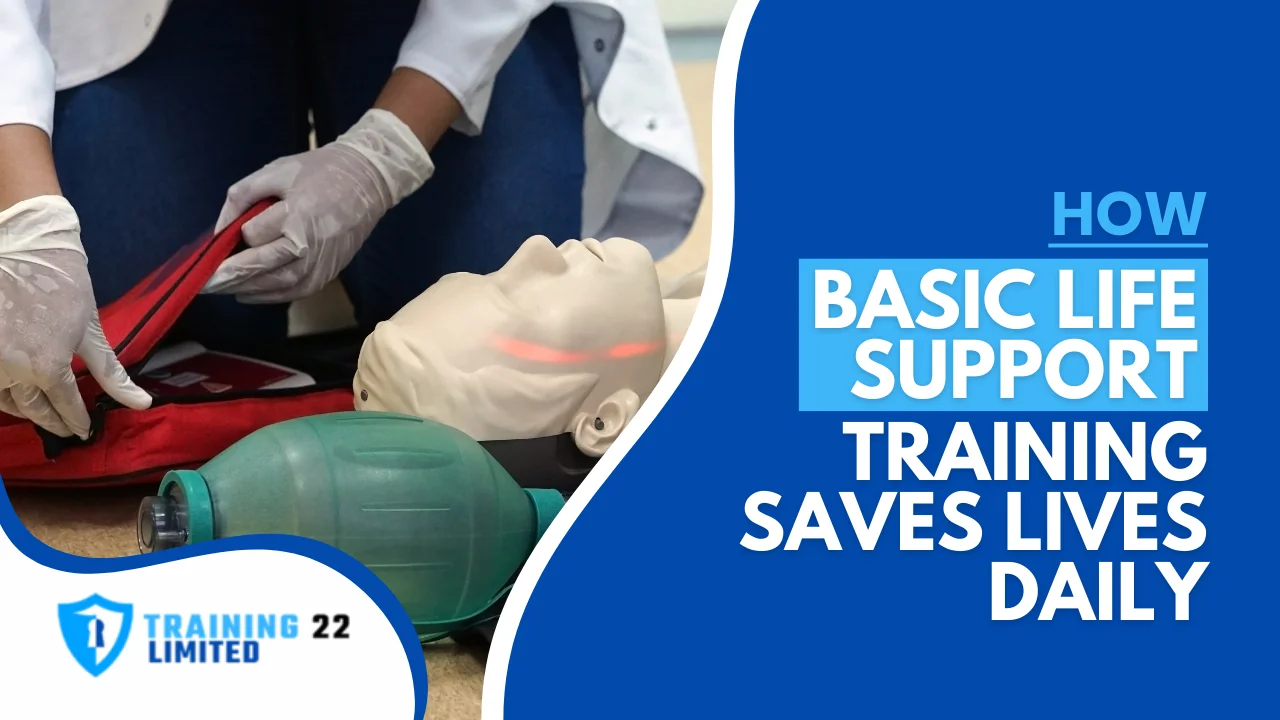
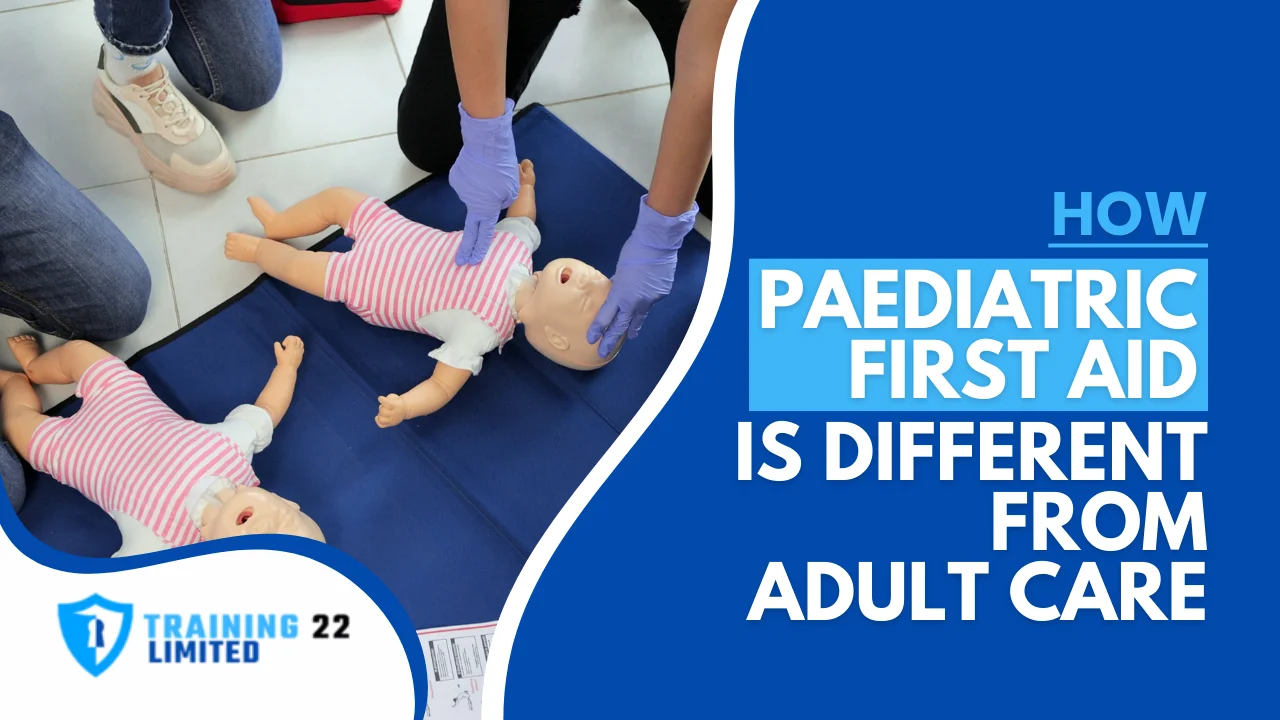
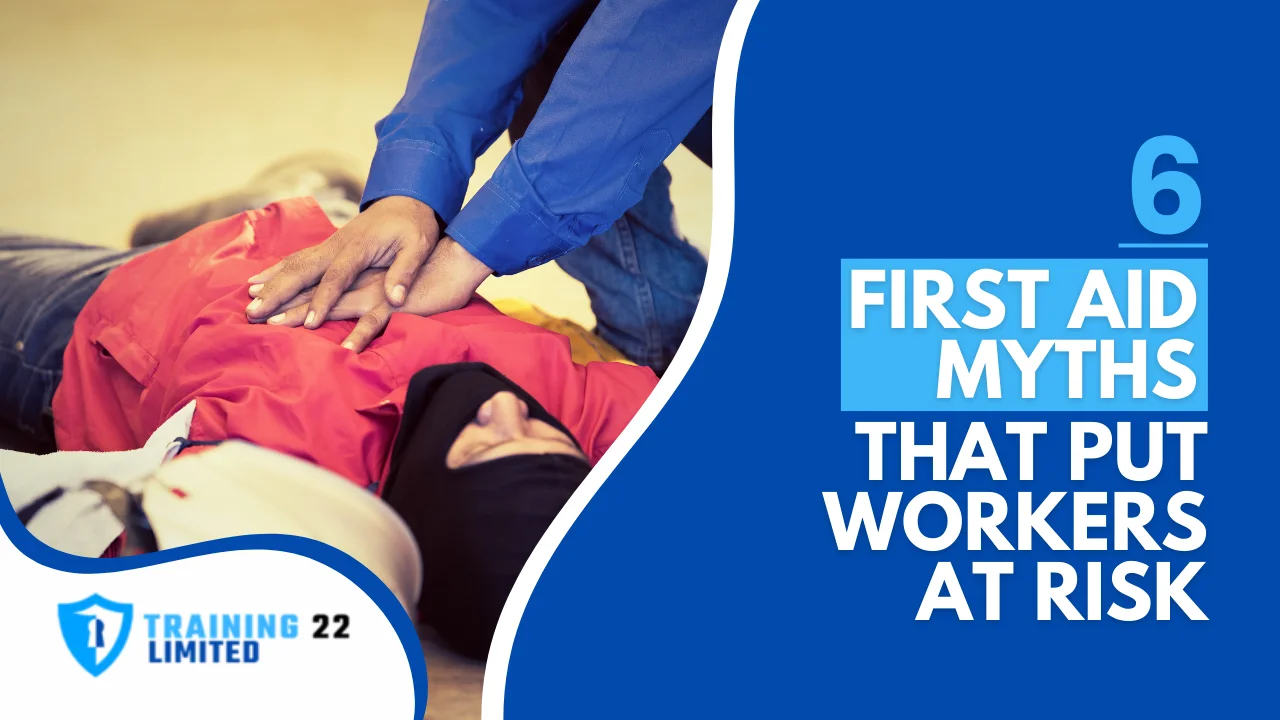
Emergencies can happen anytime, and when they do, every second matters. That’s why all childcare providers must have staff trained in paediatric first aid. This is not just an Ofsted requirement; it’s essential for keeping children safe.
Trained staff can quickly help with burns, allergic reactions, asthma attacks, or choking, which can save lives. Training 22 offers a strong paediatric first aid course in London that meets EYFS and Ofsted standards.
Benefits of first aid training include:
- Building staff confidence during emergencies.
- Faster response times that can reduce harm.
- Improved communication with emergency services and parents.
- Legal compliance and insurance fulfilment.
Join our approved Emergency Paediatric First Aid Course today. Help your staff learn to take action when it matters most.
Hygiene and Infection Control: Little Hands, Big Risks
Children explore the world using their hands and mouths, making infection control crucial for their safety. In group settings, germs can spread quickly without proper hygiene practises.
Hygiene best practises:
- Promote frequent handwashing, especially before eating, after using the toilet, and after outdoor play.
- Disinfect toys, door handles, tables, and high-contact surfaces regularly.
- Implement a policy for excluding sick children and staff.
- Use disposable gloves for nappy changes and cleaning up bodily fluids.
- Teach children the basics of personal hygiene using fun songs, books, and posters.
Infections such as conjunctivitis, norovirus, and hand-foot-and-mouth disease often occur in childcare settings. However, they can be largely prevented with regular practises.
Fire and Emergency Preparedness: Expect the Unexpected
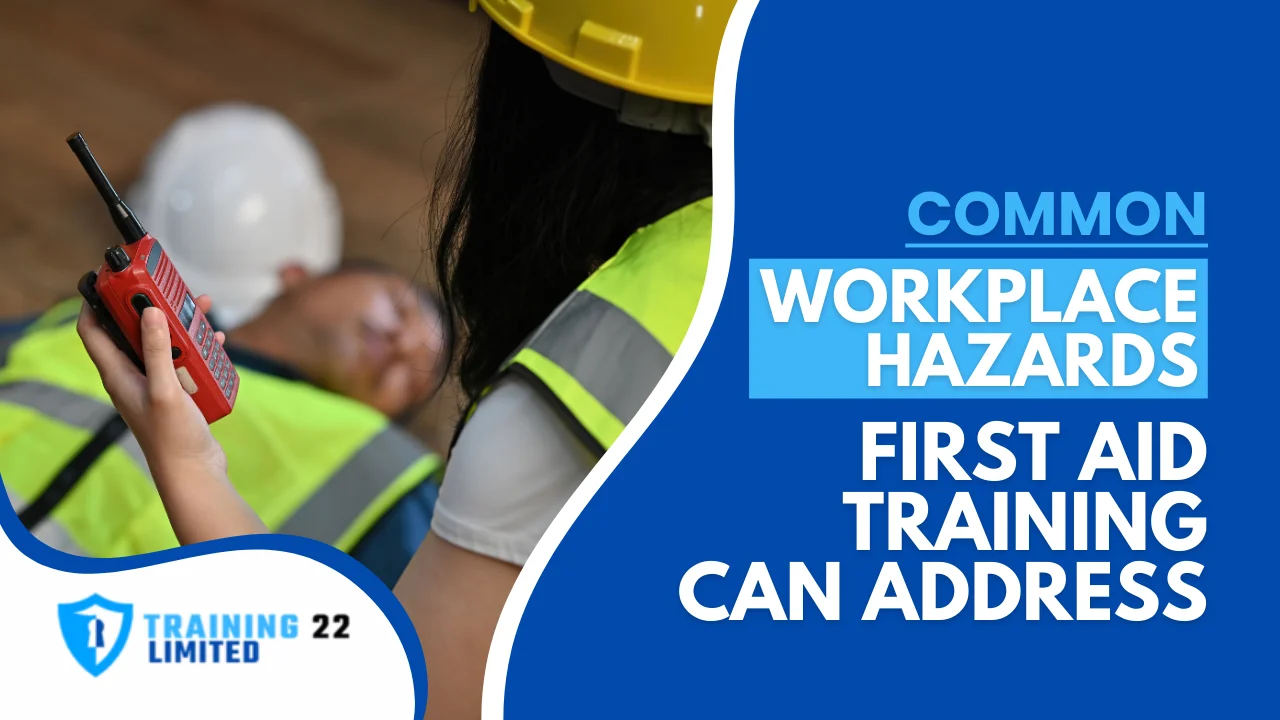
Emergencies can happen suddenly. Whether it’s a fire, a power outage, or a missing child, your team must be ready.
Core components of emergency preparedness:
- Schedule monthly fire drills and log them for compliance.
- Place fire extinguishers in strategic, easily accessible locations.
- Ensure all exits are clearly marked and unobstructed.
- Display emergency contact numbers in every room.
- Create emergency packs containing torches, first aid kits, water, and parent contact details.
Train your staff on these procedures regularly and assign roles early so everyone knows their tasks. A quick and calm response can stop a small problem from turning into a big issue.
Emotional Safety and Mental Well-being
Children need to feel safe to grow. This means being in a place where they are respected, heard, and supported. Emotional safety helps them to be curious, resilient, and form strong friendships.
Ways to build emotional safety include:
- Use positive language and offer praise for effort, not just outcomes.
- Ensure open communication between children and caregivers.
- Address signs of distress quickly and sensitively.
- Promote inclusion and respect for all cultures and abilities.
- Use mindfulness activities, emotion charts, and quiet spaces for reflection.
A safe emotional space helps children build healthy connections and trust their surroundings. This is essential for learning and growing.
Parental Communication and Involvement
Good communication with parents is an important safety tool. When parents understand and back your safety measures, children receive a consistent message at home and in childcare.
Strategies to engage parents include:
- Hold regular meetings and share daily activity updates.
- Send out monthly safety newsletters.
- Create a welcome pack with clear policies and procedures.
- Obtain clear written consent for photos, trips, and medical interventions.
- Offer workshops on topics like online safety, healthy lunches, and first aid.
A clear and respectful relationship with parents creates a supportive community for each child, which boosts trust and accountability.
Keeping Staff Trained, Informed, and Engaged
Your staff are essential to your childcare centre. Their knowledge, actions, and attitudes affect safety. Regular training is important to keep high standards and avoid becoming careless.
Training should include:
- Accredited paediatric first aid course London renewals.
- Safeguarding refresher courses.
- Behavioural management workshops.
- Conflict resolution and communication skills.
At Training 22, our first aid courses for kids in London are approved by Ofsted. Equip your team with the skills to keep children safe every day.
Ongoing Monitoring, Feedback, and Improvement
Childcare safety changes over time. It adapts to new risks, rules, and children who are growing. Regular checks help keep your standards high and up-to-date.
Checklist for continual improvement:
- Schedule quarterly audits of safety protocols.
- Update training records and policy documents.
- Replace or repair damaged toys, mats, and equipment.
- Gather feedback from children, staff, and parents.
- Stay informed about new childcare safety legislation.
Encouraging openness lets staff report safety issues without fear of blame. This culture of improvement boosts both compliance and confidence.
Legal Responsibilities and Ofsted Compliance
Running a childcare centre in the UK involves important legal responsibilities. Ofsted inspections assess how well providers ensure safety, hygiene, and care for children. Not meeting these standards can lead to fines, closure, or even risks to children’s safety.
Mandatory responsibilities include:
- Health & safety and safeguarding policies.
- Regular risk assessment for childcare environments.
- Ensuring staff are trained in first aid.
- Meeting adult-to-child ratio standards.
- Safe storage of medication and hazardous substances.
Make sure your certifications, like your Ofsted-approved paediatric first aid course, are current and valid. Training 22 helps providers meet compliance requirements easily.
Creating a Culture of Safety
Making a childcare environment safe involves more than just checking for physical dangers. It means building a culture where everyone, from management to kids, cares about keeping each other safe.
Elements of a safety-first culture:
- Encourage open dialogue about safety issues
- Recognise staff who go above and beyond for child wellbeing
- Include children in basic safety routines (e.g., role-play fire drills)
- Celebrate safety milestones like “100 days incident-free”
This culture increases accountability, boosts team morale, and creates a safer environment for children to explore, learn, and grow.
Safe Today, Stronger Tomorrow
Creating a safe childcare environment goes beyond just following rules; it’s about shaping futures. By focusing on safety, assessing risks, and using quality safety measures, you can make a space where children can grow and succeed.
Do you want to prepare your team for emergencies? Sign up for our certified paediatric first aid course today. It’s available in London and is perfect for nurseries, schools, and independent carers.