UK workplaces prioritise safety. Employers follow strict rules, provide safety gear, and set up procedures to lower risks. However, accidents can still happen. A worker might slip on a wet floor, a warehouse employee could get hurt lifting, or someone in an office may collapse due to health issues. When these incidents occur, knowing how to respond quickly is very important.
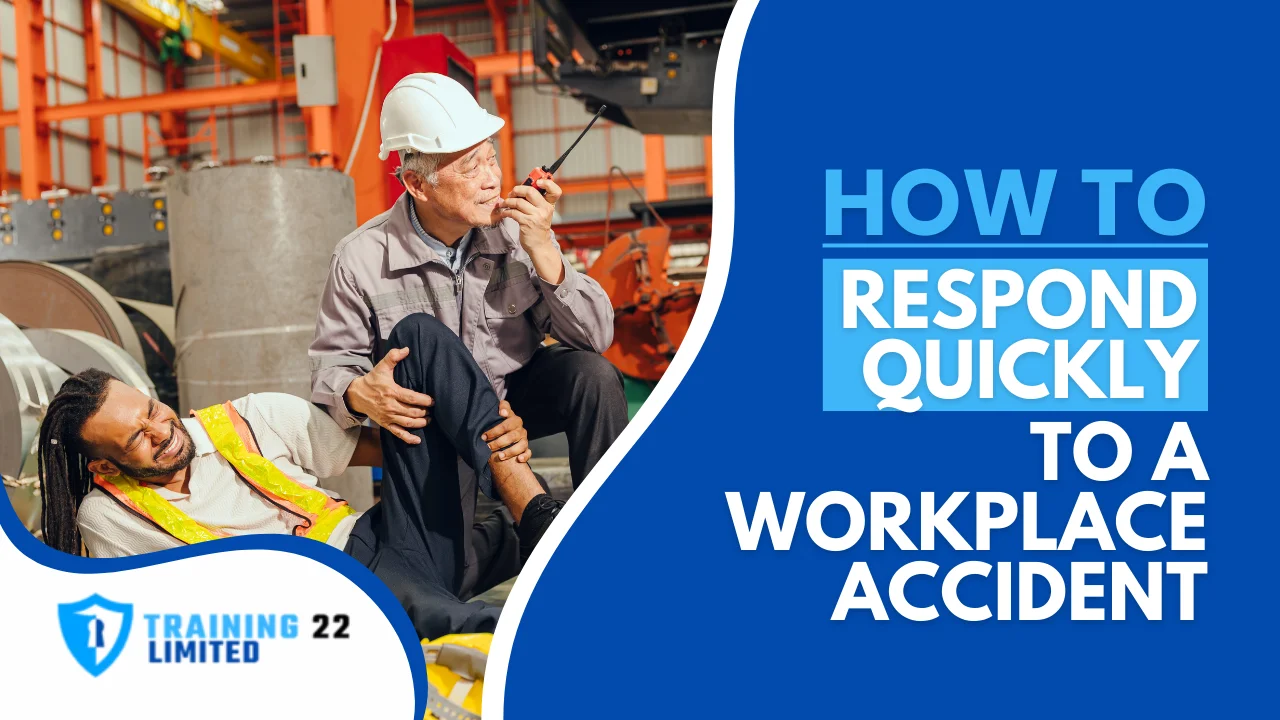
A clear response strategy for workplace accidents in the UK helps employees know what to do during emergencies. Instead of panicking, workers can follow organised steps that focus on safety and immediate help. This approach protects the injured person and prevents further harm to others nearby.
Quick responses in emergency situations can lessen injuries. Fast first aid can even save lives. Simple actions like stopping bleeding, helping someone breathe, or placing a person in the recovery position can greatly help before medical professionals arrive.
Why Quick Action During Workplace Accidents Saves Lives
When accidents happen at work, every second counts. The time between the injury and the first help can greatly affect the outcome. Delays can cause more bleeding, worse injuries, or panic among workers.
For example, if a worker has a cardiac arrest or stops breathing, quick CPR can double or triple their chance of survival. Quickly controlling heavy bleeding or treating shock can stabilise the person until paramedics arrive. These actions are key to effective accident response procedures in the UK.
A quick and organised response helps maintain control of the situation. Employees who know emergency safety practises are less likely to panic and more likely to follow the right steps. This calmness prevents confusion and ensures the injured person gets help without delays.
In many UK organisations, trained first aiders are crucial during emergencies. They complete training programs and provide first aid support while calling emergency services. Their knowledge helps guide others and ensures the correct response.
The key benefits of quick accident response include:
- Reduced injury severity
- Faster access to medical treatment
- Improved survival rates in emergencies
- Less disruption to work
- Increased employee confidence during emergencies
- A stronger safety culture at work
These benefits show why preparation and training are vital for workplace safety today.
The Most Common Workplace Accidents in the UK
To respond to accidents effectively, it’s important to know the common types of incidents that happen in UK workplaces. Health and safety reports show that some accidents occur more often than others.
Common workplace accidents include:
- Slips, trips, and falls
- Falling objects
- Injuries from machinery
- Electrical shocks
- Burns and chemical exposure
- Manual handling injuries
- Vehicle accidents in the workplace
Slips and trips make up a large number of workplace injuries each year. These often occur due to wet floors, uneven surfaces, poor lighting, or cluttered areas. Even in offices, tripping over a cable can cause serious injuries like fractures or head trauma.
Manual handling injuries are also frequent, especially in warehouses, construction sites, and retail. Lifting heavy items incorrectly can strain muscles or hurt the spine. Knowing the correct way to respond to these injuries is crucial for offering help.
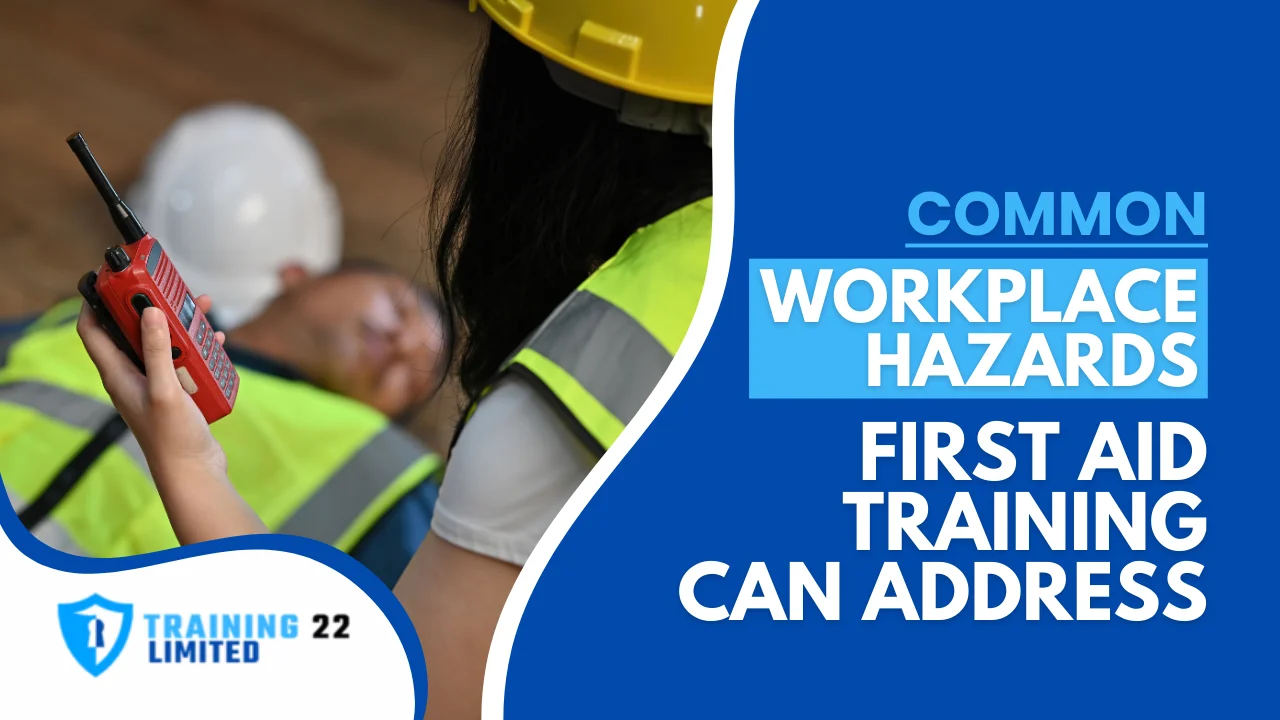
For example, if someone falls and seems unconscious, do not move them unnecessarily; this might worsen their injuries. Instead, trained coworkers should check if the person is breathing and call for medical help.
Step One: Assess the Situation Quickly and Safely
The first step in responding to a workplace accident in the UK is to assess the situation. Employees should check that the area is safe for both the injured person and those helping.
Rushing into a dangerous scene can cause more injuries. For example, if the accident involves moving machines, electrical risks, or chemical spills, the area must be secured before helping the injured person.
Before providing assistance, employees should take a moment to evaluate the surroundings and find the safest way to help. They need to identify any hazards to prevent the situation from becoming worse.
Key actions during this stage include:
- Checking for immediate dangers like fire or exposed wires
- Turning off any machinery if needed
- Making sure the area is safe
- Calling for trained first aiders
- Staying calm and organised
Following these steps helps prevent further accidents. It’s just as important to protect the rescuer as it is to help the injured person.
Step Two: Provide Immediate First Aid
Once the area is safe, the next step is to provide first aid for workplace accidents. First aid is the quick care given to someone who is injured or suddenly sick. It aims to save lives, stop conditions from getting worse, and help with recovery until professional medical help arrives.
Many workplace injuries can be treated with simple first aid techniques. Even basic knowledge can greatly help during an emergency.
Common first aid actions include:
- Pressing on a wound to stop bleeding
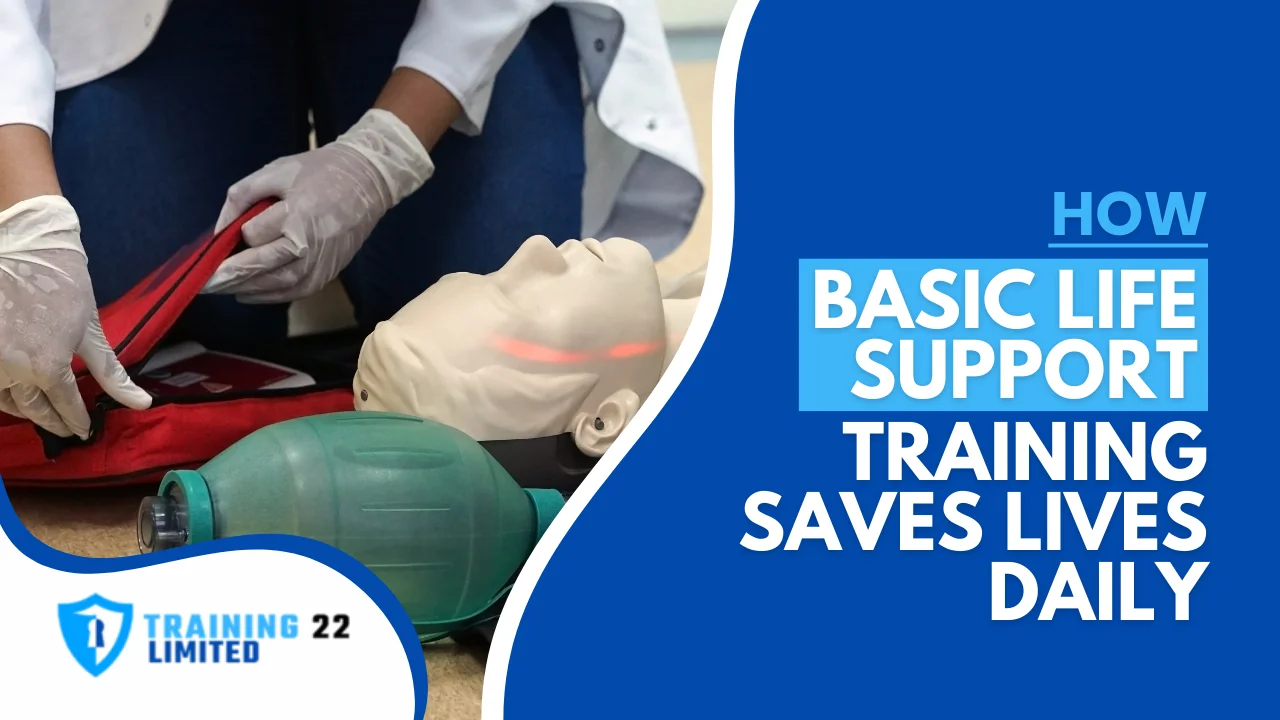
- Giving CPR if someone stops breathing
- Helping a choking person
- Treating minor burns or cuts
- Placing someone in the recovery position
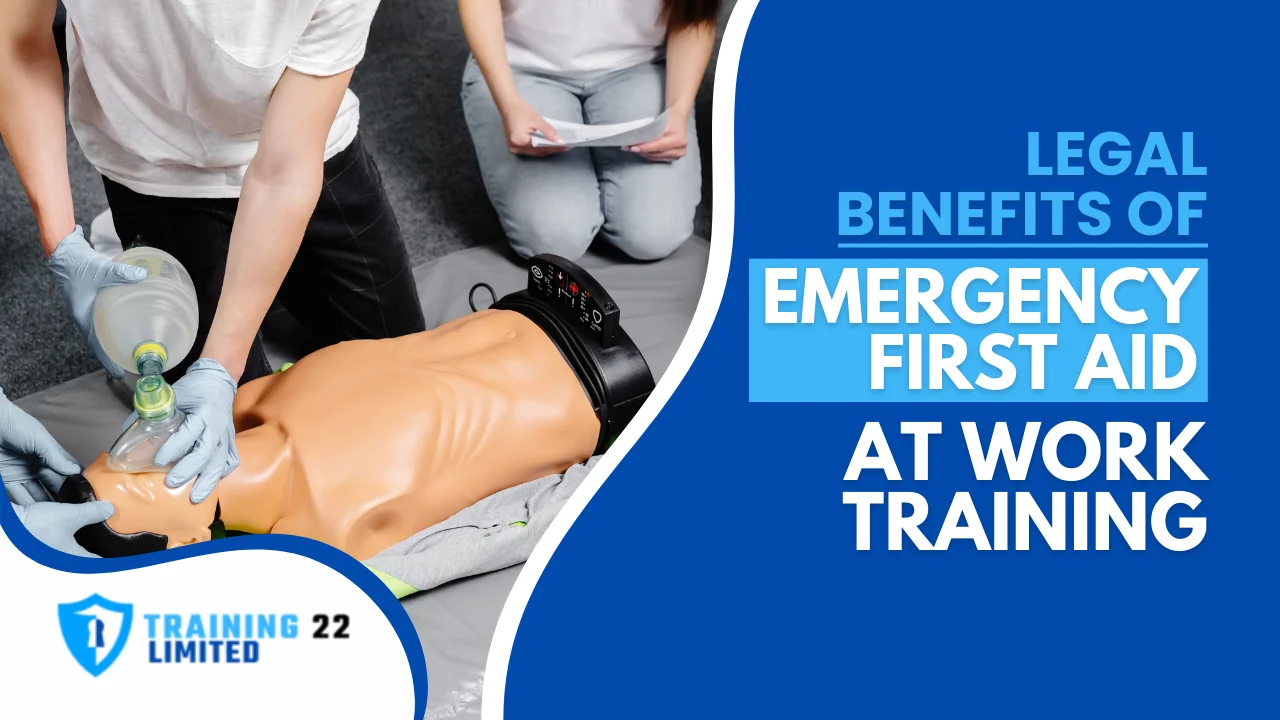
Employees who take a first aid course often feel more confident in emergencies. These courses teach how to assess injuries, provide lifesaving care, and communicate effectively during accidents.
Many organisations encourage employees to complete a one-day first aid course. This short course teaches essential safety skills for both work and everyday situations.
Step Three: Call Emergency Services if Needed
Some workplace accidents need immediate medical help. If an injury seems serious or life-threatening, call emergency services right away.
Call emergency services right away if someone has:
- Lost consciousness
- Severe bleeding that won’t stop
- Trouble breathing
- Chest pain or a possible heart attack
- Suspected fractures or spinal injuries
- Head injuries
Clear communication is very important when calling emergency services after a workplace accident in the UK. The caller should share accurate details about the situation, including the location, type of injury, and the person’s condition.
Giving clear information helps emergency responders bring the right medical equipment and ensures help arrives quickly. These steps are essential in accident management across UK workplaces.
Step Four: Secure the Area and Prevent Further Harm
After providing immediate care, the next step is to secure the accident area. This keeps everyone safe and prevents more injuries.
For example, if someone slips on a spill, clean it up and mark the area to warn others. If faulty equipment caused an injury, remove it from use until it is checked.
Common safety measures include:
- Putting up warning signs
- Blocking access to dangerous areas
- Turning off broken equipment
- Informing supervisors and safety officers
- Following emergency procedures
Keeping strong safety practises in place protects employees and helps organisations learn from incidents to improve safety.
Step Five: Report and Document the Incident
Reporting accidents is essential in UK workplaces. Every incident should be recorded clearly so employers can understand what happened and prevent future accidents.
Accident reports help identify patterns or recurring hazards. For instance, if several employees slip in the same spot, it may point to a maintenance issue or weak safety practises.
Typical workplace accident reports include:
- Date and time of the incident
- Exact location
- Details of the injured person
- Description of the accident
- Witness statements
- First aid actions taken
Following these steps keeps safety records accurate and compliant with workplace regulations.
How First Aid Training Improves Workplace Safety
Training strengthens emergency workplace safety effectively. Employees who receive proper training are better prepared for emergencies.
A trained team reacts quickly, communicates clearly, and follows the right steps in emergencies. This organised response reduces panic and ensures immediate help for those injured.
Many organisations invest in programs like a 3-day first aid at work course. This training gives employees advanced skills to handle serious workplace accidents.
For basic emergency skills, the emergency first aid course is usually a great choice. These courses teach essential lifesaving techniques and prepare staff for common emergencies.
Benefits of workplace first aid training include:
- Faster responses during accidents
- Increased employee confidence
- Reduced injury severity
- Better legal compliance with UK safety regulations
- A stronger safety culture
Training empowers employees to protect their colleagues and create a safer working environment.
Creating a Strong Workplace Emergency Plan
A good emergency workplace safety plan makes sure everyone knows their roles during accidents. Without clear steps, employees may feel confused in emergencies.
Employers should create detailed safety plans that explain how staff should act in different situations. They must share these plans clearly with all employees and update them regularly.
An effective workplace emergency plan should include:
- Emergency contact numbers
- Locations of first aid kits and defibrillators
- Names of trained first aiders
- Evacuation procedures
- Incident reporting processes
Regular safety drills are very important. Practising how to handle accidents helps employees learn emergency procedures and improves their response times in real situations.
Encouraging a Safety Culture in the Workplace
Building a strong safety culture helps prevent accidents and improve workplace safety in the UK. When everyone shares the responsibility for safety, employees notice hazards and are more likely to act.
Employers can promote this culture by encouraging open discussions about risks and offering regular safety training.
Simple ways to improve workplace safety include:
- Encouraging employees to report hazards
- Holding regular safety meetings
- Providing easy access to safety equipment
- Offering refresher courses in first aid
When organisations invest in safety training, employees feel supported and confident in handling accidents.
Building Confidence Through First Aid Knowledge
Many people struggle to act during emergencies because they don’t know what to do. Proper training helps remove this doubt and empowers people to respond quickly.
Learning first aid skills for workplace accidents is useful both at work and at home. These skills enable individuals to help colleagues, friends, or family in medical emergencies.
For instance, knowing how to stop bleeding, treat burns, perform CPR, or help someone in shock can save lives in urgent situations.
This is why training programs like first aid at work courses are so important. They give employees the knowledge and confidence to respond effectively when accidents happen.
Turning Workplace Accidents Into Learning Opportunities
Accidents can be unfortunate, but they also offer lessons. By closely examining incidents, organisations can find weak spots in safety procedures and make improvements.
Employers should regularly review accident reports and use what they learn to enhance safety policies. This could mean providing new training, improving equipment maintenance, or redesigning risky work areas.
Frequent safety meetings, refresher courses, and equipment checks can greatly boost workplace safety. These actions help lower risks and ensure employees feel secure at work.
In the UK, effective workplace accident response relies on preparation, training, and ongoing improvement. When employees know how to respond quickly and confidently, the workplace becomes safer.
The goal is clear: respond quickly, protect coworkers, and keep every workplace as safe as possible.