Workplaces in the UK are changing rapidly. Employees in offices, retail stores, construction sites, and care settings face daily risks that can lead to emergencies. Emergency First Aid at Work (EFAW) training is essential not just for saving lives, but also for protecting everyone involved.
Knowing the legal benefits of first aid training helps businesses fulfil their responsibilities, avoid fines, and create safer workplaces. For employers, first aid training is linked to their duty to care, workplace safety laws, and UK first aid regulations. For employees and the public, it boosts confidence and trust in how organisations manage emergencies.
Why Emergency First Aid at Work Training Matters More Than Ever
Every year, the UK sees thousands of workplace injuries and sudden illnesses. Common issues include slips, trips, falls, burns, heart problems, and choking. Having a trained first aider nearby can be crucial for recovery.
Emergency First Aid at Work training is not just about physical response. It shows that employers are prepared for possible risks. UK law requires this preparation as part of an employer’s duty of care. Training indicates that a workplace has thought about potential dangers and taken steps to reduce them.
From a legal perspective, first aid training helps meet safety laws and strengthens an employer’s defence if an incident occurs. Courts and regulators often check whether proper training was available before an incident.
Additionally, modern workplaces are diverse. Remote workers, temporary staff, agency workers, and visitors are all under an employer’s care. Emergency First Aid at Work training addresses these complexities and aligns with current first aid regulations.
Understanding Employer Duty of Care Under UK Law
UK health and safety laws require employers to care for their employees’ health, safety, and well-being. Employers must take reasonable steps to protect everyone affected by their work.
This responsibility applies to all businesses, big or small, in any industry. Whether you manage a small office or a large construction site, you need to assess risks and implement safety measures. Emergency First Aid at Work training is a key way to show you take this duty seriously.
Providing first aid training is a proactive step in risk management. Legally, not preparing for medical emergencies can be seen as negligence. On the other hand, having trained first aiders demonstrates that employers follow safety laws.
In legal issues, insurers, regulators, and courts ask straightforward questions: Were staff trained? Was the training suitable for the risks? Was it current? Completing an Emergency First Aid at Work Certificate through a trusted provider like Training 22 clearly shows that you meet these requirements.
Workplace Safety Law and Emergency First Aid Requirements
UK workplace safety law focuses on prevention, preparation, and protection. Key laws, like the Health and Safety at Work Act, shape first aid training requirements.
Employers must provide adequate first aid. This includes trained staff, appropriate equipment, and clear procedures. Emergency First Aid at Work training meets the basic legal requirements for many low to medium-risk workplaces.
There’s no universal rule; employers must assess risks and choose suitable training. For many, a One Day First Aid at Work Course in London meets legal standards in a practical and cost-effective way.
Not meeting these requirements can lead to enforcement actions, fines, and damage to reputation. Conversely, completing an HSE Approved First Aid Course in London shows compliance with standards and enhances legal protection.
First Aid Regulations Explained in Simple Terms
UK first aid laws ensure that injured or ill workers get quick care. Employers must provide suitable first aid supplies, facilities, and trained staff.
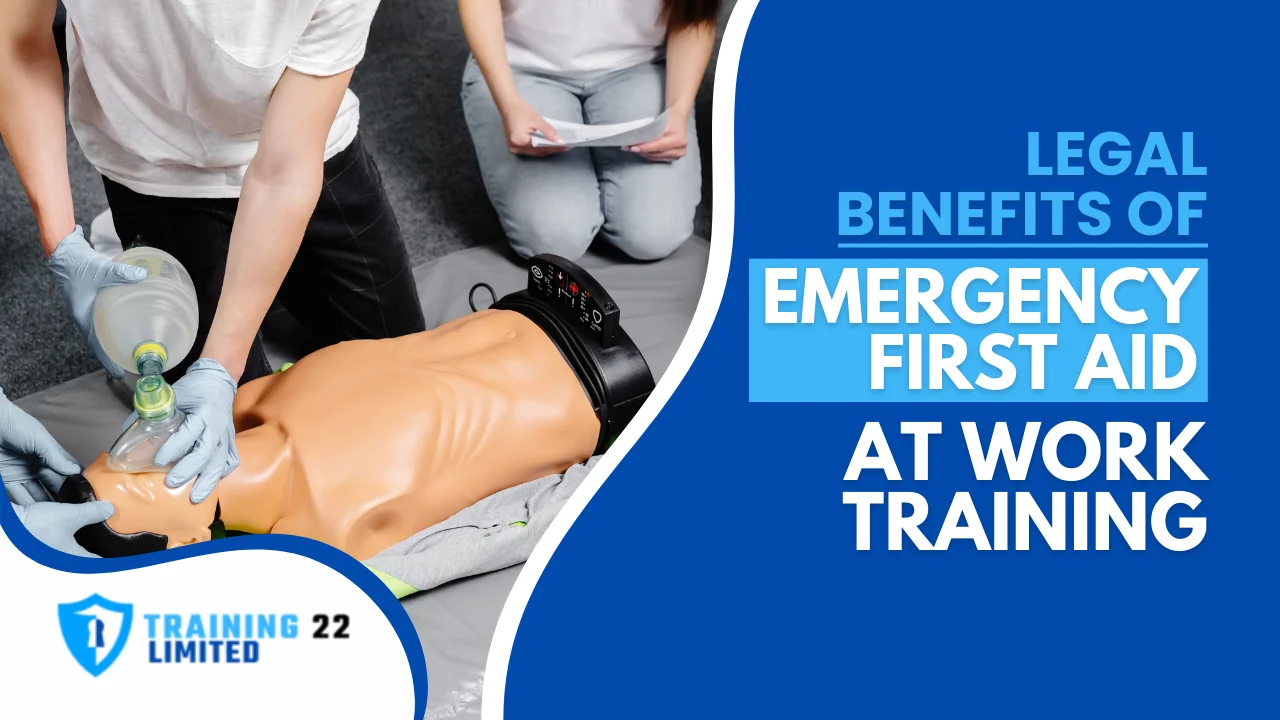
Emergency First Aid at Work training prepares employees in low-risk settings. It teaches vital skills like CPR, using an AED, helping unconscious people, and managing bleeding and shock.
Legally, these rules emphasise preparation. Employers must show they expected possible incidents and took steps to be ready. Records of training, certificates, and refresher schedules serve as proof.
By signing staff up for the EFAW Course in London through Training 22, employers create documented evidence of their compliance with first aid laws, which is important during inspections or investigations.
Reducing Legal Liability and Employer Risk
First aid training helps reduce legal risks for employers. When incidents happen, people often ask if proper precautions were taken. Emergency First Aid at Work training provides clear answers.
If employers can show their staff is trained to handle emergencies, it can lower claims of negligence. This shows they care about employee safety and took steps to manage risks.
On the other hand, not providing training can be viewed as neglecting their duty to protect employees. This can lead to more successful legal claims, higher payouts, and increased insurance costs.
Insurance companies typically look favourably on first aid training. It reflects awareness of risks and may lead to better policy terms. Overall, training offers important legal and financial protection beyond just the classroom.
Strengthening Compliance During HSE Inspections
Health and Safety Executive inspections check if workplaces follow the law. Inspectors review training records, risk assessments, and first aid plans.
Having staff trained in Emergency First Aid at Work makes this easier. Certificates from a recognised provider like Training 22 show proof of compliance with safety laws and first aid rules.
When inspectors see organised training plans and up-to-date certificates, they are less likely to have concerns. This reduces enforcement risks and helps businesses focus on their work instead of compliance.
Training also prepares employers for inspections. Staff know procedures, understand their roles, and can explain how to handle emergencies.
Legal Protection for Managers and Business Owners
Managers and directors can be personally liable for serious health and safety violations. Although corporate structures can offer some protection, individuals can still be held accountable if they are found negligent.
Training in Emergency First Aid at Work shows that leaders prioritise health and safety. It proves that there are systems in place to protect people, which is vital if personal responsibility is questioned.
This protection is particularly important for small business owners. Just one incident can lead to major legal and financial problems. Taking an Emergency First Aid at Work course in London provides both peace of mind and practical skills.
This proactive approach helps leaders meet legal expectations, lowering personal stress and risk.
Supporting a Culture of Legal Awareness and Safety
First aid training does more than meet requirements; it creates a workplace culture of safety and responsibility.
When employees are trained, they understand risks and legal duties better. This shared understanding helps prevent accidents and supports safety laws in everyday work.
A strong safety culture can lead to better legal outcomes. Regulators and courts look at a company’s attitude when evaluating incidents. A workplace that invests in training is viewed as responsible.
Training 22’s courses promote this culture by linking legal context with practical skills, making compliance relevant and actionable.
Emergency First Aid Training and Corporate Reputation
Legal compliance and reputation are connected. Organisations that don’t follow first aid rules may face bad publicity and legal penalties.
On the other hand, businesses that focus on safety and training are seen as responsible and trustworthy. This helps build customer confidence, keep employees, and form partnerships.
Legally, reputation can affect outcomes. Regulators may be more lenient with organisations that show a commitment to safety and training.
Taking an HSE Approved First Aid Course in London with Training 22 shows that legal compliance and the well-being of people are both important.
Why Training 22 Is the Right Choice for Legal Compliance
Choosing the right training provider is important. Courses need to meet recognised standards and UK legal requirements. Training 22 focuses on health and safety training for UK workplaces.
Their Emergency First Aid at Work course helps businesses comply with the law while being practical and easy to understand. Certificates are well-recognised for inspections, audits, and internal records.
Whether you need an Emergency First Aid at Work Certificate or a One Day First Aid at Work Course in London, Training 22 offers expert-led courses tailored to real workplace risks.
This blend of legal knowledge and hands-on learning helps organisations meet their obligations and keep people safe.
Legal Value of Emergency First Aid Training
Emergency First Aid at Work training provides important legal benefits for UK employers and employees. It helps employers meet their duty of care, comply with safety laws, and follow first aid rules.
Beyond just meeting requirements, this training lowers liability, protects leaders, and creates safer, more confident workplaces. If you want both legal protection and a positive effect on your team, first aid training is a smart investment.
If you want to improve your legal compliance and workplace safety, consider enrolling in an EFAW Course in London with Training 22.