When a child suddenly stops breathing, it can be terrifying for parents, caregivers, teachers, or bystanders. Panic is normal in these moments, but knowing the right first aid steps can save a life. Children rely on adults during emergencies, so it’s crucial to know what to do in those first few minutes.
In the UK, breathing emergencies for children happen in homes, schools, playgrounds, nurseries, and public areas. These can result from choking, allergic reactions, asthma attacks, infections, accidents, or other health issues. Although emergency services arrive quickly, what someone nearby does right away can greatly affect the outcome.
That’s why learning the right emergency response procedures for children is so important. When someone knows how to check breathing, call for help, and perform child CPR, a child’s chances of survival increase significantly. Quick action keeps oxygen flowing to the brain and vital organs until medical help arrives.
Why Breathing Emergencies in Children Are So Serious
Breathing is vital for the body. When a child stops breathing, oxygen can’t reach the brain and other important organs. Brain damage can start in just a few minutes without oxygen. This makes quick first aid crucial.
Children are more at risk of breathing emergencies. Their airways are smaller than adults’, making them easier to block. Even a small object or minor swelling can restrict airflow. Young children often explore by putting things in their mouths, which raises choking risks.
Breathing emergencies can worsen quickly in children because their bodies use oxygen faster than adults. This means oxygen levels can drop quickly if they stop breathing. Quick action and the correct paediatric first aid can help keep blood and oxygen flowing.
Understanding how serious breathing emergencies are shows why it’s important to learn child CPR and first aid skills. Anyone can find themselves needing to help a child in an emergency.
Common Reasons Why a Child May Stop Breathing
Understanding what causes breathing emergencies helps adults respond better. Several situations can make a child stop breathing suddenly.
Choking is one common cause. Children often choke on small objects, toys, coins, or food. If their airway gets completely blocked, they can stop breathing in seconds.
Asthma attacks are another frequent cause. Severe asthma can make the airways tighten and swell, blocking air from getting to the lungs. Quick treatment is crucial to prevent breathing from stopping.
Allergic reactions can also lead to breathing emergencies. Severe allergies, called anaphylaxis, can swell the throat and airway, making it hard to breathe.
Other causes include:
- Drowning or near-drowning
- Severe infections like pneumonia or croup
- Traumatic injuries
- Seizures
- Sudden medical issues
No matter the cause, the emergency response is the same. Acting quickly with the right first aid techniques for a child who has stopped breathing can save a life.
Warning Signs That a Child Is Struggling to Breathe
Children usually don’t stop breathing suddenly. There are often clear signs that show breathing is getting harder. Recognising these signs helps adults act before it becomes serious.
Common warning signs include:
- Rapid breathing
- Shallow breathing
- Gasping for air
- Blue or grey lips
- Pale skin
- Wheezing
- Persistent coughing
- Difficulty speaking or crying
Children might seem anxious, scared, or confused. They may hold their chest or throat or have trouble making sounds. These behaviours signal that their body isn’t getting enough oxygen.
If you notice these symptoms, stay calm and be ready to act. Acting early can prevent a serious breathing emergency. Knowing these signs is an essential part of paediatric first aid and is covered in detail in first aid courses.
The First Thing To Do When a Child Stops Breathing
When a child stops breathing, every second matters. Act quickly and stay calm.
First, check if the child is awake. Gently tap their shoulders and loudly call their name. If there’s no response, move to the next step.
Next, see if the child is breathing. Look for chest movements, listen for breathing sounds, and feel for air from their nose or mouth. This should take no more than ten seconds.
If the child isn’t breathing or is only gasping, start first aid right away. Ask someone nearby to call emergency services at 999. If you’re alone, begin CPR before making the call.
This quick assessment is essential to get help to the child as fast as possible.
Calling Emergency Services in the UK
In a breathing emergency, call 999 in the UK right away. Clearly explain what’s happening.
The emergency operator will ask questions to help them understand. Stay calm and provide clear answers. They may ask for:
- Your location
- The child’s age
- If the child is breathing
- What happened before the incident
Emergency operators know how to guide you through child CPR. They will give step-by-step instructions over the phone until help arrives.
If you are alone with the child, do CPR for about one minute before calling if you can. This gets oxygen flowing right away.
Knowing when and how to contact emergency services is crucial in paediatric first aid. This is why it’s a key part of training in courses for first aid.
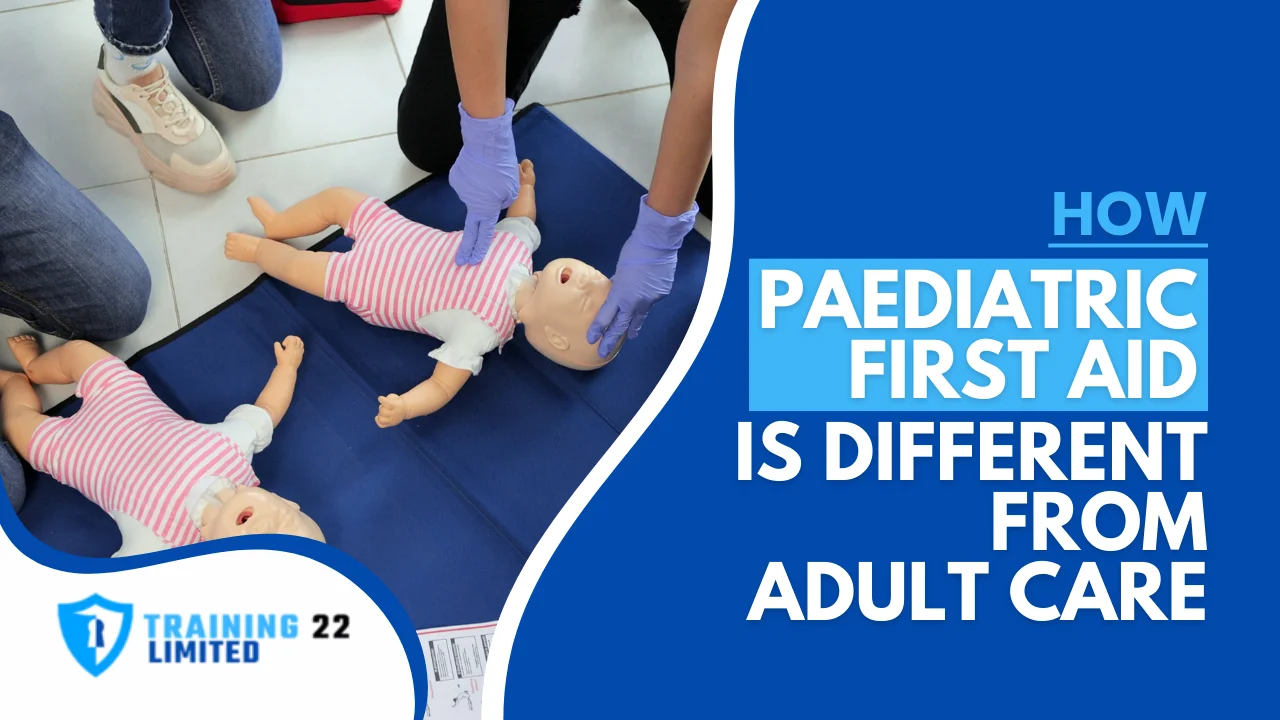
Step-by-Step Guide to Child CPR in the UK
CPR is a crucial lifesaving technique for a child who stops breathing. It helps keep oxygen flowing in the body until medical help arrives.
Step One: Lay the Child Down
Put the child on their back on a flat surface. Kneel next to them to access their chest and airway easily.
Step Two: Open the Airway
Gently tilt the child’s head back and lift their chin to open the airway.
Step Three: Give Rescue Breaths
Pinch the child’s nose and cover their mouth with yours. Give five gentle breaths, watching for the chest to rise.
Step Four: Start Chest Compressions
Place one hand in the centre of the chest. Push down firmly one-third of the way into the chest. Do 30 compressions.
Step Five: Give Breaths Again
After the compressions, give two rescue breaths.
Step Six: Repeat
Keep alternating between 30 compressions and 2 breaths until the child breathes again or help arrives.
These steps are vital for child CPR and paediatric first aid that everyone should know.
Special Situations That Can Stop a Child Breathing
Breathing emergencies happen for different reasons. Knowing the cause helps determine the right action.
Choking
When a child chokes on something, their airway gets blocked. Give back blows and abdominal thrusts first. If the child loses consciousness, start CPR.
Drowning
If a child stops breathing after being in water, rescue breaths are crucial because their lungs may have water in them.
Allergic Reactions
Severe allergies can cause the airway to swell. Use an adrenaline auto-injector right away and call for emergency help.
Recognising these situations and acting quickly is key to effective emergency responses. This is taught in emergency paediatric first aid courses.
Why First Aid Training Is So Important
Many people worry they might panic or forget what to do in an emergency. Professional training can build confidence and reduce this uncertainty.
A paediatric first aid course in London offers hands-on training for real-life situations. Participants learn CPR, how to respond to choking, and other essential skills.
An emergency paediatric first aid course focuses on urgent medical situations for children. These courses are especially helpful for parents, childcare workers, teachers, and anyone caring for kids.
Training reinforces the right paediatric first aid steps in the UK and helps people feel ready to act calmly. Regular practise increases the chances of responding quickly in an emergency.
Preventing Breathing Emergencies in Children
Emergencies can happen anytime, but many breathing incidents can be prevented with the right steps.
Parents and caregivers should keep small items, like coins, toy parts, and batteries, away from young children to avoid choking hazards.
Food safety matters too. Cut small foods, like grapes and nuts, into smaller pieces for young kids. Always have children sit while eating and discourage running or playing with food in their mouths.
It’s also crucial to manage medical conditions. Kids with asthma or severe allergies should have their medication and action plans available at school or childcare.
Schools and nurseries should train staff in first aid for children who stop breathing and CPR techniques. Trained staff can respond quickly and help prevent serious outcomes.
The Role of Communities in Protecting Children
Protecting children is everyone’s job. Communities play a key role in keeping kids safe in public spaces.
Often, bystanders are the first to help during accidents in parks, shopping centres, sports venues, and events. Knowing basic child emergency response skills allows anyone to assist before paramedics arrive.
Community first aid training encourages more people to learn life-saving skills. The more people who know child CPR and paediatric first aid, the safer our communities become.
That’s why organisations across the UK urge adults to take a paediatric first aid course. These courses teach essential knowledge and confidence to act when a child is in danger.
Every Second Matters When a Child Cannot Breathe
A child who stops breathing needs quick help. Fast action can mean recovery instead of tragedy.
Recognising warning signs and knowing child CPR and paediatric first aid can save lives. Even basic first aid knowledge can help until professionals arrive.
Training, like a paediatric first aid course in London, prepares parents, teachers, and community members for these emergencies.
Breathing problems are rare, but being prepared ensures that someone nearby knows how to help when a child needs it.