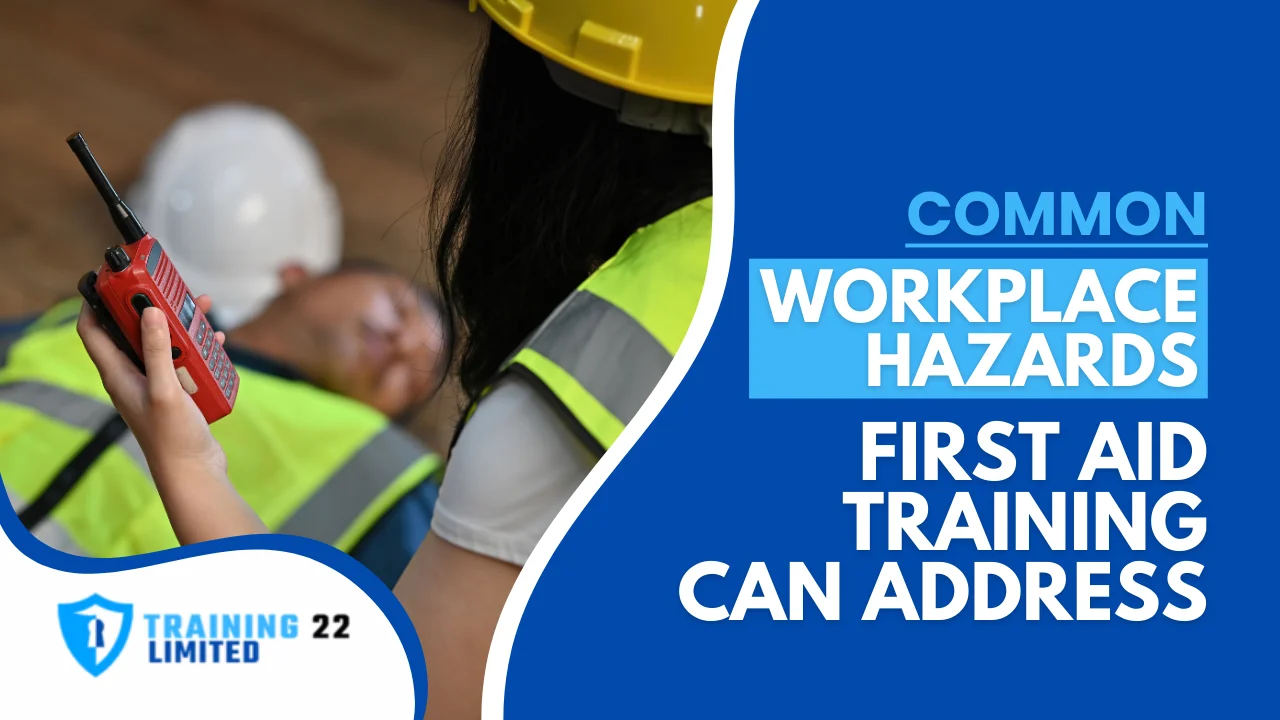
Workplaces in the UK are busy with daily tasks that seem safe. However, hidden risks often go unnoticed until an accident happens. From small cuts and slips to serious issues like burns or fainting, hazards can be found in offices, warehouses, construction sites, schools, healthcare facilities, and stores. Recognising these risks is the first step to preventing accidents.
Many accidents occur not because people don’t know about the hazards, but because they underestimate them. Workers might think nothing will go wrong or that help will arrive quickly. This attitude can lead to delays in action and worse injuries. Knowing basic first aid can help people spot danger early and respond confidently in emergencies.
First aid training doesn’t remove all hazards, but it gives employees the skills to handle incidents calmly. When staff know how to respond while waiting for professional help, the results are much better. This approach supports safety training and fosters a workplace culture that values proactive safety rather than just reacting to problems.
Slips, Trips, and Falls: The Everyday Danger We Ignore
Slips, trips, and falls are common workplace dangers in the UK, affecting businesses of all sizes. Wet floors, uneven surfaces, trailing cables, loose mats, and poor lighting often cause these accidents. Though these risks may seem small, they can lead to serious injuries like sprains, fractures, and long-term pain.
The severity of a fall isn’t always obvious. A person might stand up quickly, unaware they’ve hurt themselves inside or may have a concussion. First aid training helps staff assess injuries, monitor symptoms, and spot warning signs that need medical help. This can prevent further injuries and support safer choices.
Training staff in safety also helps prevent accidents. When employees learn to identify hazards early, they are more likely to report issues like spills or damaged floors before accidents occur. This awareness promotes safety and encourages everyone to take responsibility.
Common causes of slips and trips include:
- Spilt liquids and freshly cleaned floors.
- Obstructed walkways and cluttered storage areas.
- Uneven flooring, loose mats, or damaged steps.
- Poor housekeeping and inadequate lighting.
Cuts, Lacerations, and Bleeding Injuries
Cuts and lacerations happen a lot in workplaces like kitchens, workshops, warehouses, labs, and hospitals. Sharp tools, machines, broken glass, metal edges, and packaging materials pose daily risks. Even in offices, paper cuts and small wounds occur frequently.
Even small cuts can lead to serious problems if bleeding isn’t controlled. First aid training teaches staff how to stop bleeding, clean wounds, and apply dressings properly. This training helps prevent infections, excessive blood loss, and slow healing.
First aid knowledge also helps staff know when to seek medical help for deep cuts, heavy bleeding, or signs of infection. Training for these common workplace risks improves both immediate responses and long-term health.
Burns and Scalds in the Workplace
Burns and scalds can happen anywhere, not just in factories or construction sites. Offices, schools, care facilities, and stores can all pose risks from hot drinks, kitchen tools, electrical devices, and heating systems. Chemical burns can also result from cleaning products or workplace substances.
Without quick and proper first aid, burn injuries can get worse. First aid training teaches staff how to cool burns, protect the skin, and avoid further damage. Acting quickly can reduce pain, scarring, and recovery time.
Knowing the risks of burns helps prevent accidents at work. Staff who are aware of hazards are more likely to handle hot items carefully and follow safety procedures.
Typical workplace burn hazards include:
- Hot drinks and food preparation areas.
- Faulty electrical equipment or wiring.
- Steam, hot surfaces, and heating systems.
- Exposure to chemicals or cleaning agents.
Manual Handling Injuries and Musculoskeletal Strain
Manual handling injuries are a major cause of workplace absence in the UK. Lifting, carrying, pushing, or pulling objects incorrectly can lead to back pain, muscle strain, joint damage, and long-term mobility issues.
Manual handling training helps prevent injuries, while first aid training teaches staff what to do if an injury occurs. It’s important to know how to assist someone with a suspected spinal injury, manage pain properly, and avoid unnecessary movement to prevent further harm.
First aid awareness encourages staff to report discomfort or injury early. This helps prevent minor strains from becoming chronic issues and supports a healthier, more productive workforce.
Sudden Illness and Medical Emergencies at Work
Medical emergencies can happen suddenly and can affect anyone, regardless of age. Heart attacks, strokes, seizures, asthma attacks, and diabetic emergencies can occur at work and require quick action.
First aid training helps staff recognise symptoms early and respond effectively. Learning life-saving skills like CPR and using a defibrillator can be crucial in emergencies. These skills are important for preventing accidents and show a real commitment to employee safety.
Well-trained staff are more likely to stay calm during emergencies, communicate clearly with emergency services, and reassure those affected.
Choking Incidents and Airway Obstruction
Choking can happen in workplaces where people eat, such as offices, schools, care homes, and restaurants. It can also occur from allergic reactions or foreign objects blocking breathing.
First aid training teaches staff how to handle choking situations safely. Knowing when to act and the right techniques can save lives.
First aid training also promotes safer eating habits and awareness of individual needs. This helps keep staff safe and reduces preventable risks.
Exposure to Hazardous Substances
Many workplaces expose employees to chemicals, fumes, dust, or dangerous substances. Accidental spills, splashes, or inhaling these can lead to burns, breathing issues, eye injuries, or long-term health problems.
First aid awareness helps staff know how to act quickly, like rinsing affected areas, getting fresh air, and seeking medical help. Quick action can turn a small exposure into a serious injury.
Training also teaches safe handling and familiarises employees with safety information. This knowledge helps prevent accidents at work.
Mental Health Emergencies and Workplace Wellbeing
Mental health is now seen as an important workplace safety issue. Stress, anxiety, panic attacks, and emotional distress can lower focus, judgment, and safety.
Today’s safety training often includes mental health awareness along with physical first aid. Being able to respond kindly, provide reassurance, and direct someone to the right support helps make a safer and more welcoming workplace.
Awareness of mental health first aid promotes early action and reduces stigma, benefiting both individuals and organisations.
Why First Aid Training Is Essential for UK Workplaces
First aid training is not only a legal must for many businesses; it’s a smart investment in people and productivity. By tackling common workplace dangers, this training cuts downtime, lessens injuries, and boosts team confidence.
Employers looking for effective training can enrol staff in courses like the Emergency First Aid at Work Course in London or the First Aid at Work Certificate in London. These courses teach essential skills that align with HSE standards and are useful right away. They enhance first aid knowledge and help prevent accidents through practical scenarios.
Building a Safer Workplace Through Knowledge
A safer workplace starts with informed employees who know the risks and their responsibilities. When staff know how to react, accidents are handled better, and recovery time gets shorter.
By focusing on safety training and making first aid a part of daily routines, UK workplaces can lower incidents, boost morale, and show real concern for employee wellbeing.
Prepared People Create Safer Workplaces
Every workplace has risks, but not all are ready to handle them well. First aid training helps employees respond confidently and compassionately in emergencies.
Taking courses like the HSE-approved First Aid Course or the EFAW Course in London helps manage common workplace risks. This training makes accident prevention a core part of the daily work culture.