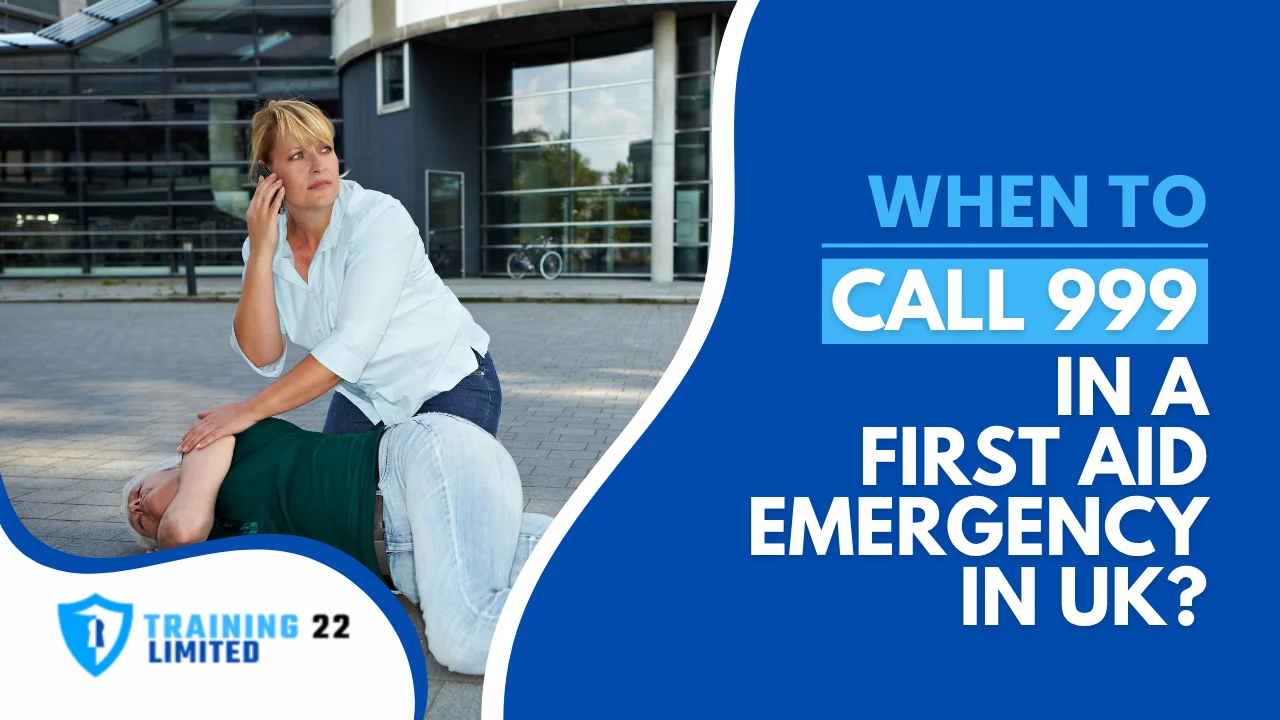
In an emergency, waiting can waste valuable time. A moment of doubt can turn a simple problem into a serious crisis. Some situations need basic help, while others need immediate professional assistance. Knowing when to call 999 for first aid in the UK can save lives.
Every day in the UK, thousands of emergency calls are made. Some are about serious accidents, while others involve sudden illnesses or medical issues. In these critical moments, deciding whether to handle it yourself or call emergency services is crucial. This guide will help you identify a life-threatening emergency, respond confidently, and take quick action.
What Qualifies as a First Aid Emergency in the UK?
A first aid emergency is any situation where someone needs quick medical help to avoid serious harm or death. While minor injuries like small cuts or bruises can often be treated at home, some conditions can worsen quickly and become life-threatening.
Signs that urgent help is needed include severe bleeding, trouble breathing, or someone being unconscious. In these cases, first aid is just the beginning. You should also call emergency services right away to get the person the care they need.
Common Signs of an Emergency:
- Sudden collapse or unconsciousness
- Difficulty breathing or choking
- Severe chest pain or pressure
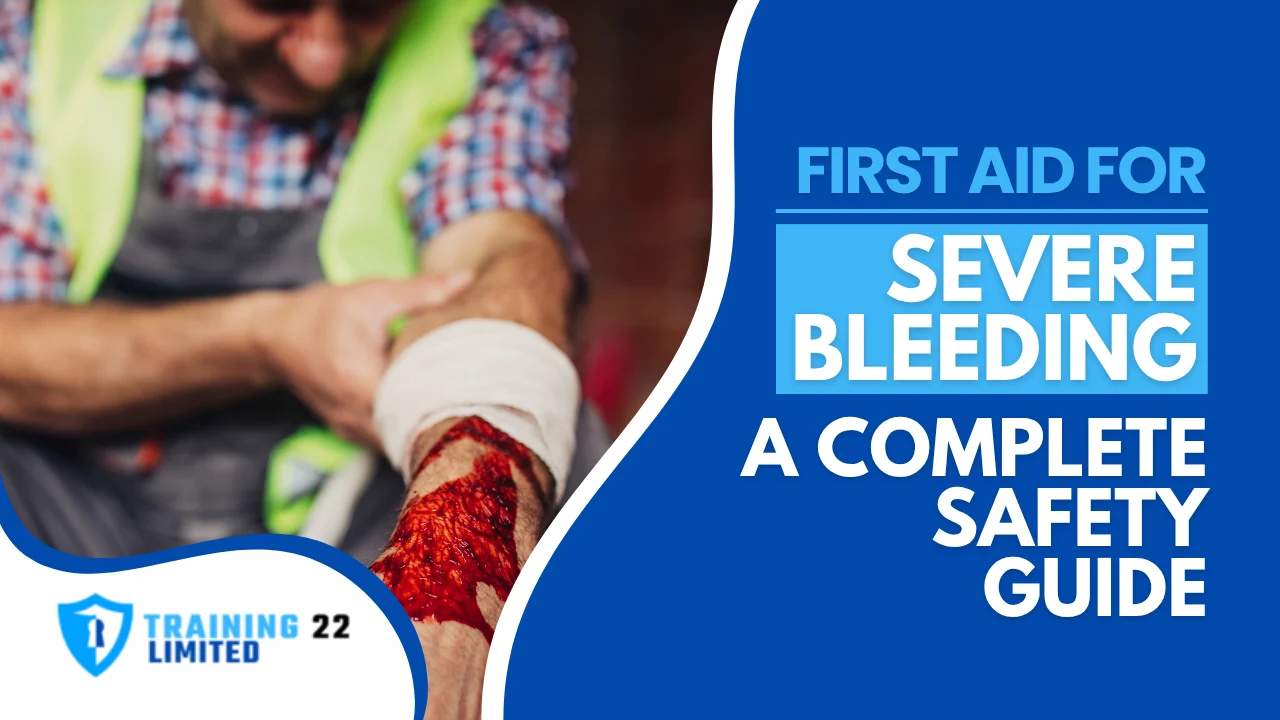
- Heavy bleeding that won’t stop
- Seizures or fits
These signs show that the body is in serious trouble. Delaying action can make things worse. The emergency response system in the UK is there to provide quick medical support when every second counts.
When Should You Call 999 Immediately?
Call 999 right away if a situation seems serious. Don’t hesitate, just because you’re unsure, acting quickly can save a life.
You should call 999 in the UK when someone is unconscious, not breathing, or showing severe symptoms. Waiting to see if things get better can be risky and may lower chances of survival.
When to Call 999 Immediately:
- Cardiac arrest or no pulse
- Severe breathing issues or choking
- Suspected stroke with FAST symptoms
- Major injuries from accidents or falls
- Severe allergic reaction (anaphylaxis)
In these cases, a quick emergency response can greatly improve survival and recovery. Acting fast helps trained professionals reach you sooner.
Recognising Life-Threatening Emergencies Quickly
Recognising a life-threatening emergency in the UK is an important skill. Symptoms can appear suddenly and get worse quickly.
For example, a heart attack might start with chest discomfort but can quickly lead to severe pain, shortness of breath, and collapse. Stroke symptoms, like slurred speech or a drooping face, may seem mild at first but need urgent attention.
Key Signs to Watch For:
- Blue lips or face from lack of oxygen
- Confusion or trouble responding
- Sudden, intense pain
- Loss of movement, balance, or coordination
By spotting these warning signs early and seeking first aid help in the UK, you can act quickly and possibly save a life.
The Role of First Aid Before Emergency Services Arrive
While you wait for emergency services, your actions can make a big difference. First aid helps stabilise a person and stops their condition from getting worse.
Simple steps, like placing someone in the recovery position, controlling bleeding, or doing CPR, can buy important time. These actions help the body until professional help arrives.
If you’ve taken a first aid course at work, you’re more likely to stay calm and act effectively. An emergency first aid course gives you the skills to respond in stressful situations.
Key First Aid Actions:
- Check if the person is responsive and breathing.
- Call 999 if it’s serious.
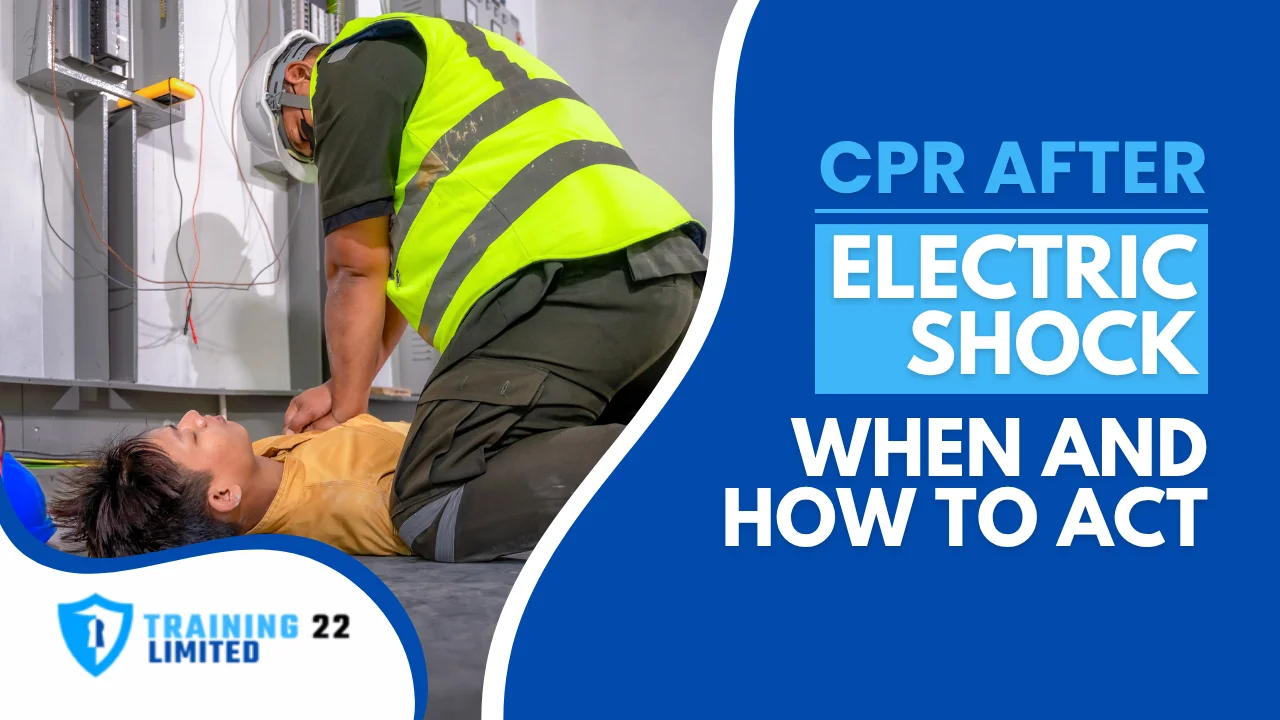
- Start CPR if the person isn’t breathing.
- Apply firm pressure to stop bleeding.
- Keep the person warm and calm.
These actions are crucial for supporting the UK emergency response system and improving outcomes.
Common Scenarios Where You Must Call 999
Emergencies can occur anywhere, like at home, work, or public places. Knowing common situations helps you think clearly and act fast.
For instance, if someone collapses, gets seriously hurt, or is exposed to a dangerous substance at work, you need to act quickly. Workplaces must be ready for these scenarios.
Workplace Emergencies Include:
- Falls from heights or serious injuries
- Accidents with machinery
- Chemical spills or exposure
- Electric shocks or burns
Taking a 3-day first aid course at work gives you the knowledge and confidence to help. Even a 1-day first aid at work course can teach you essential skills to recognise emergencies.
When to Call 999 for Children and Infants
Children and infants can get very sick much faster than adults. That’s why it’s vital to recognise emergency signs in young people.
If a child has trouble breathing, doesn’t respond, or has seizures, call 999 for help right away. Waiting too long can be very risky.
Warning Signs in Children:
- Trouble breathing or fast breathing
- Continuous vomiting or dehydration
- Unusual sleepiness or unresponsiveness
- Seizures or convulsions
Learning paediatric first aid gives you the confidence to act quickly and correctly when a child is in trouble.
When NOT to Call 999 (And What to Do Instead)
In emergencies, it’s important to act fast, but not every situation needs a 999 call. Knowing this helps keep emergency services available for those who need them most.
For minor issues, you can call NHS 111, visit a GP, or go to a local pharmacy. If your symptoms get worse or severe, seek help right away.
Non-Emergency Situations:
- Minor cuts or scrapes
- Mild fever or cold symptoms
- Small burns or injuries
- Sprains and strains
If you’re unsure, it’s best to get first aid help or professional advice.
What Happens After You Call 999?
When you call 999, a trained operator will answer quickly. Stay calm and speak clearly so they can understand your situation.
You will need to share details about the emergency, your location, and the person’s condition. The operator may also give you first aid advice while help is on the way.
Information You Should Provide:
- Exact location or postcode
- Type of emergency
- Number of people involved
- Condition of the person
Giving accurate information helps ensure a faster emergency response in the UK.
Why First Aid Training Is Essential in the UK
First aid training helps people respond confidently in emergencies. Without knowledge, individuals may hesitate, which can delay critical help.
Courses like first aid at work teach skills such as CPR, wound care, and how to respond in emergencies. They also teach when to call for more help, like dialing 999.
For workplaces, a 3-day first aid at work course meets health and safety rules. A 1-day first aid course is great for smaller teams or lower-risk settings.
Don’t Wait, Act Fast
In an emergency, time is crucial. Calling 999 for first aid in the UK can prevent serious problems and save lives.
Trust your instincts. If something feels wrong, it’s best to act. By spotting the signs of a life-threatening emergency, you can respond confidently and take charge.
Your actions count. Basic first aid and a quick call for help can save lives.
FAQs
When should I call 999 instead of NHS 111?
Call 999 for serious emergencies. Use NHS 111 for medical advice that isn’t urgent.
Can I get in trouble for calling 999 unnecessarily?
No, you won’t get in trouble if your call is real. It’s better to be safe and get help if needed.
What should I do while waiting for an ambulance?
Give first aid, stay calm, follow the operator’s instructions, and keep an eye on the person’s condition.