
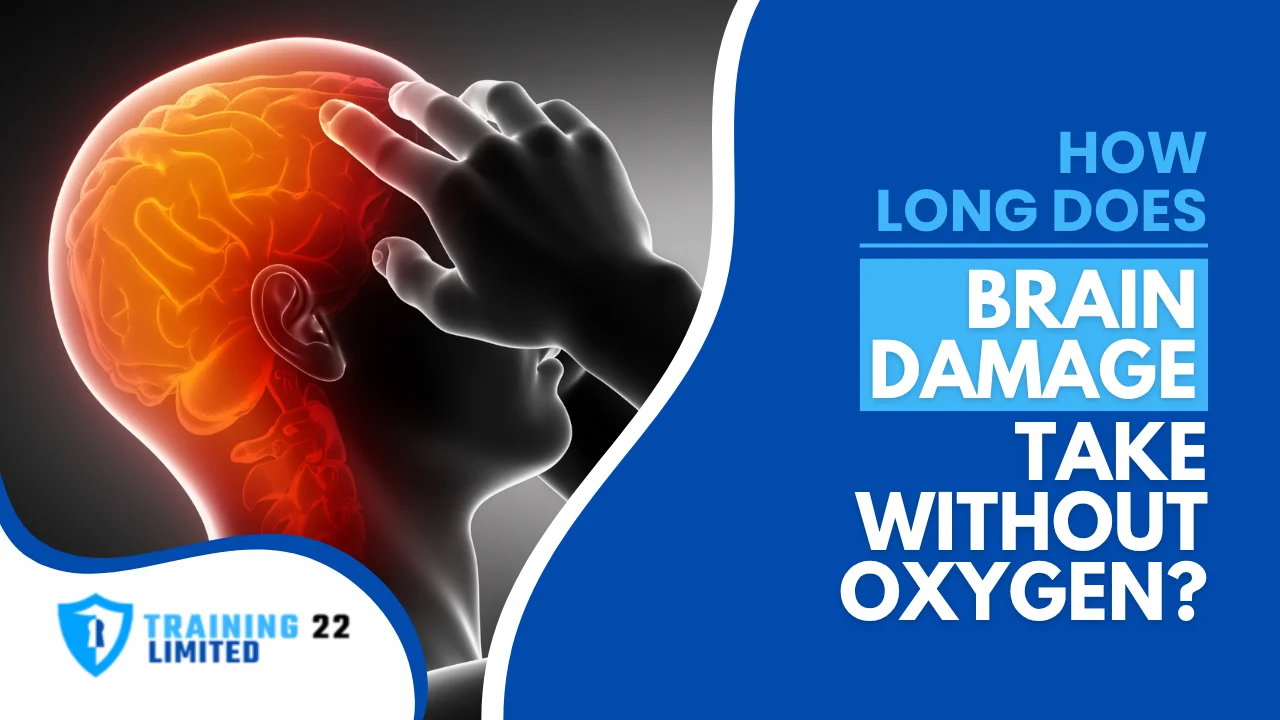
In life-threatening emergencies, one urgent question is: how long can the brain go without oxygen before it gets damaged? This question can determine if someone lives, recovers, or suffers permanent harm.
Knowing how quickly the brain is harmed by lack of oxygen is important for everyone’s families, workplaces, and communities across the UK. In real emergencies, delays can cost valuable time, which directly impacts the brain.
When oxygen supply stops, the brain starts to struggle within seconds. The damage can worsen faster than most people think. From the moment oxygen is cut off, every second matters. It affects whether the brain can survive, get damaged, or shut down completely. Understanding this is crucial for recognising emergencies and acting when necessary.
The Brain’s Dependence on Oxygen: Why Every Second Matters
The human brain needs a lot of oxygen. It weighs only about two percent of the body, but uses around twenty percent of the body’s oxygen. This high demand means that even a short lack of oxygen can cause serious problems.
The brain requires a steady supply of oxygen-rich blood to function properly. This blood flow supports thinking, movement, memory, and automatic processes like breathing. Without oxygen, these functions quickly start to fail.
When the brain doesn’t get enough oxygen, it suffers from hypoxia. If it completely runs out of oxygen, it’s called anoxia. Both conditions can quickly damage brain cells and disrupt normal functions.
Brain cells do not heal easily, so damage from lack of oxygen is often permanent. This is why it’s essential to act quickly in emergencies.
How Long Does Brain Damage Take Without Oxygen?
This is a crucial question. Brain damage from lack of oxygen happens quickly, showing how fast emergencies can escalate.
Timeline of Brain Damage:
- 0 to 10 seconds: Loss of consciousness may start as oxygen levels drop.
- 1 minute: Brain activity slows, and confusion may set in.
- 3 minutes: Brain cells begin to suffer permanent injury.
- 4 to 6 minutes: Severe brain damage is likely.
- 10 minutes or more: There is a high risk of death or permanent disability.
These timelines highlight how quickly the effects of oxygen deprivation can occur. Even a few minutes’ delay can change the outcome entirely.
It’s also important to note that these are general estimates. Factors like temperature, overall health, and the cause of oxygen loss can affect how fast damage happens.
Because of this, immediate actions like CPR are critical. Acting within the first few minutes can greatly lower the risk of permanent injury.
What Happens During Oxygen Deprivation in the Brain?
When the oxygen supply stops, the brain faces a crisis. Energy production stops because oxygen is needed to make ATP, which powers brain cells. Without energy, cells can’t work properly. Their electrical activity gets disrupted, and communication between brain cells fails.
As oxygen levels drop, harmful chemicals build up inside cells. This causes swelling, inflammation, and eventually cell death. This process is central to hypoxia brain injury.
Blood flow also becomes irregular. The brain tries to adapt, but without oxygen, these efforts fail quickly. This is why anoxia is treated as a medical emergency that needs immediate action.
Common Causes of Oxygen Deprivation
Brain damage from lack of oxygen can happen in many situations. These events often occur suddenly, so being aware and prepared is crucial.
Key causes include:
- Cardiac arrest: the heart stops pumping blood
- Choking: blocking airflow and preventing oxygen intake
- Drowning: limiting oxygen supply
- Severe asthma attacks: restricting airflow
- Drug overdose: affecting breathing
- Carbon monoxide poisoning: reducing oxygen in the blood
These incidents can happen unexpectedly in homes, workplaces, and public places. Knowing how to respond quickly can save lives.
Signs and Symptoms of Hypoxia Brain Injury
Noticing early signs of brain injury from low oxygen can help prevent serious problems. The sooner you take action, the better the chance of recovery.
Early signs include:
- Confusion or difficulty concentrating
- Rapid or shallow breathing
- Increased heart rate
- Bluish tint to lips or fingertips
Advanced symptoms include:
- Loss of consciousness
- Seizures or convulsions
- Severe breathing difficulty
- Coma
Symptoms can worsen quickly, sometimes in just minutes. So, it’s important to get medical help right away if you see any of these signs.
The Role of CPR in Preventing Brain Damage
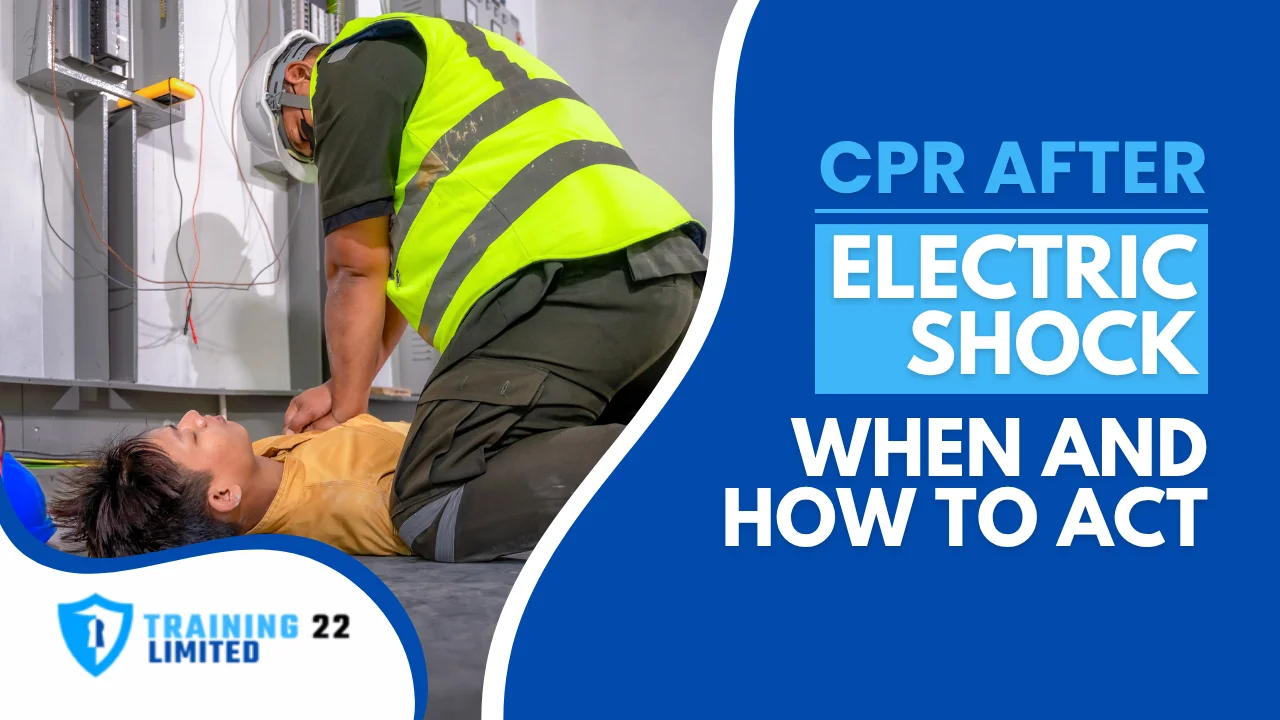
CPR is essential to prevent brain damage from a lack of oxygen. When the heart stops, blood stops flowing to the brain.
CPR can help restore some blood flow. Chest compressions pump blood through the body, and rescue breaths add oxygen to the lungs.
This temporary support keeps the brain alive until medical help arrives. Even basic CPR can greatly increase survival chances.
This is why taking a basic life support class is important. It gives people the skills and confidence to help in emergencies.
Emergency Response: What You Should Do Immediately
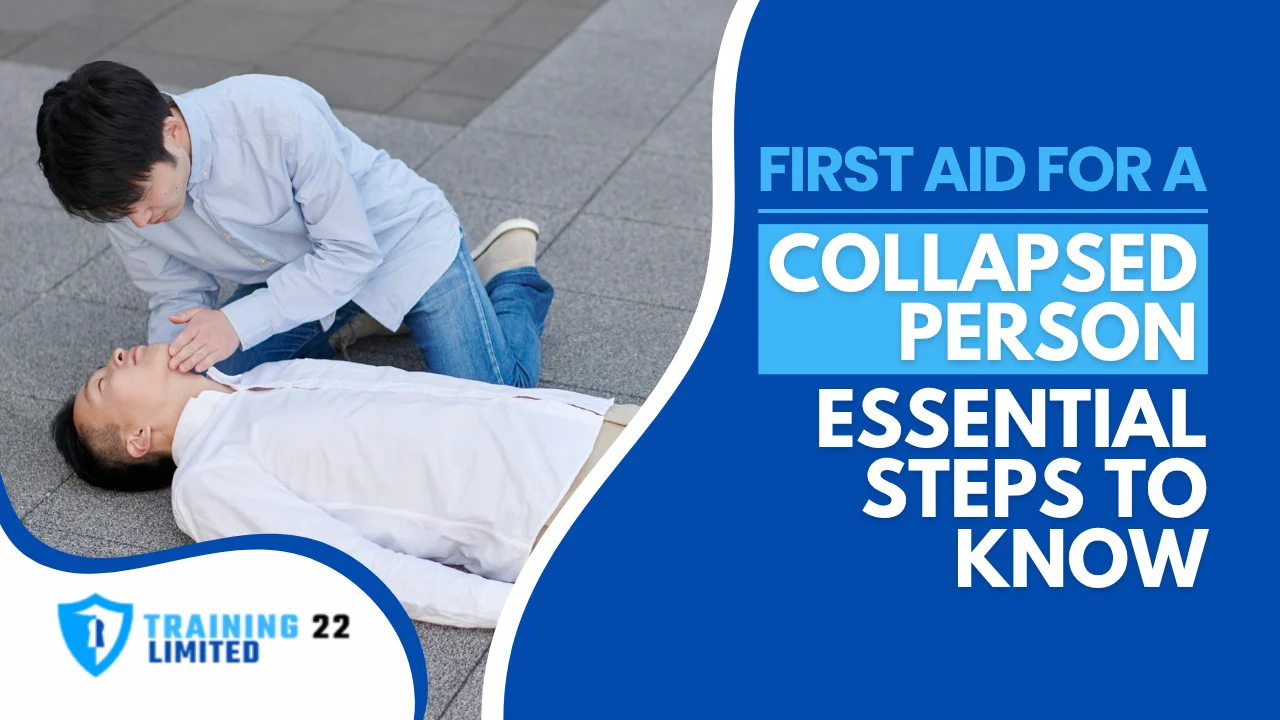
If someone collapses or stops breathing, acting fast is crucial. Quick action can prevent serious harm.
Follow these steps:
- Call emergency services immediately
- Check for breathing and responsiveness
- Begin CPR if the person is not breathing
- Use an AED if one is available nearby
Taking these simple steps can greatly improve results. If you’re unsure, it’s better to act than to wait.
Training programs, like CPR and BLS courses in London, can help you handle these situations with confidence.
Long-Term Effects of Oxygen Deprivation on the Brain
Surviving a lack of oxygen doesn’t guarantee a full recovery. The long-term effects on the brain depend on how long it was deprived of oxygen.
Possible long-term effects include:
- Memory loss or trouble learning new things
- Shorter attention span and reduced concentration
- Problems with movement and coordination
- Changes in behaviour or personality
Some people may need ongoing care or support. Quick treatment can lessen these effects.
Prevention: How to Reduce the Risk of Brain Damage
It’s better to prevent oxygen deprivation than to treat it. You can lower risks with simple precautions.
Key Prevention Tips:
- Learn first aid and CPR.
- Install and maintain carbon monoxide detectors.
- Follow safety rules at work.
- Watch children carefully near water.
- Keep emergency numbers handy.
By following these steps, people and organisations can reduce the chances of oxygen deprivation and enhance safety.
Workplace Safety and Oxygen Deprivation Risks
Workplaces in the UK face risks from a lack of oxygen. Emergencies can happen anywhere, from construction sites to offices.
Employers must train staff and prepare them for emergencies. This means providing first aid training, keeping safety equipment in good condition, and having clear emergency procedures.
Employees should stay alert and respond quickly during incidents. A well-prepared workplace can greatly lower the chances of brain damage caused by a lack of oxygen.
Why First Aid Training Can Save Lives Every Day
In emergencies, knowledge leads to action. Without training, many hesitate. With training, they respond.
Training 22 offers courses like basic life support that focus on real-life situations. Participants learn to assess situations, perform CPR, and use life-saving equipment.
Whether you’re a parent, employee, or employer, these skills help you protect others and act confidently in critical moments.
Every Second Counts
The brain can only survive a few minutes without oxygen.
Knowing how to recognise brain injury from lack of oxygen and what to do in an emergency is crucial.
Learning CPR and first aid gives you the skills to take charge and possibly save a life when time is critical.


One Response
Thanks for the marvelous posting! I actually enjoyed reading it, you
might be a great author.I will be sure to bookmark your blog and may come back at some point.
I want to encourage one to continue your great writing, have a nice day!