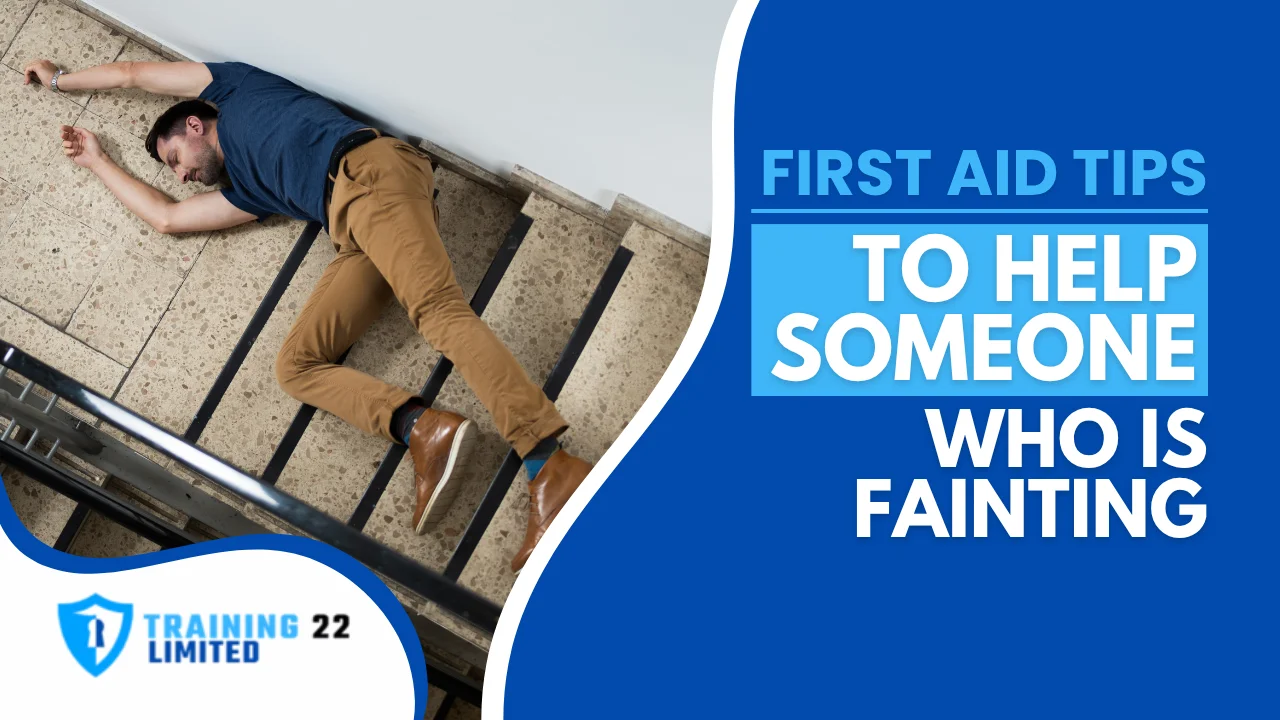
Fainting can happen suddenly and without warning. One moment, someone is standing and talking, and the next, they are unconscious. This can cause panic. You might not know how to help or if it’s serious. However, knowing how to assist someone who is fainting can help you stay calm and act confidently.
Fainting can happen in many places, like offices, train stations, shops, schools, and homes. Most cases aren’t life-threatening, but they still need quick attention to prevent injury and ensure safety. That’s why everyone should learn fainting first aid. With the right knowledge, you can act fast, protect the person, and reassure them until they feel better.
Understanding Fainting: What Is Really Happening?
Fainting, or syncope, is a short loss of consciousness due to decreased blood flow to the brain. When the brain doesn’t get enough oxygen, the body temporarily shuts down. This usually lasts just a few seconds, but it can seem longer to onlookers.
Fainting is usually not dangerous by itself, but the risk comes from how and where a person falls. Falling on a hard surface or near sharp objects can cause injuries. Knowing how to help someone who faints is important for both their recovery and safety.
Common Causes of Fainting and Treatment Insights
To respond effectively to fainting, it’s important to know the causes and treatments. Fainting is usually caused by temporary issues, not serious health problems.
Common triggers include:
- Dehydration or not drinking enough fluids
- Low blood sugar, especially from skipping meals
- Standing still for long periods
- Emotional stress, fear, or shock
- Heat exhaustion or overheating
- Sudden posture changes, like standing up too quickly
Since these triggers differ, your first goal is to stabilise the person. After they recover, finding the cause can help prevent future fainting and guide further care.
Early Warning Signs Before a Fainting Episode
Fainting often has warning signs that show something is wrong. Recognising these signs early can help you stop the person from collapsing.
Common warning signs include:
- Dizziness or light-headedness
- Blurred or tunnel vision
- Sudden sweating or clammy skin
- Nausea or discomfort
- Weakness or unsteadiness
If you see these symptoms, act right away. Encourage the person to sit or lie down. This can often prevent fainting and reduce the chance of injury.
Step-by-Step: How to Help Someone Who Is Fainting
To help someone who is fainting, stay calm and follow clear steps. Acting quickly and confidently can really help.
Immediate Actions
- Help the person lie flat on their back quickly.
- Raise their legs a little to improve blood flow to the brain.
- Loosen tight clothes around their neck and chest.
- Make sure the area is well-ventilated and not crowded.
These actions support blood flow and help the person regain consciousness faster.
If They Lose Consciousness
- Check if they are breathing normally.
- Look for signs that they are responsive.
- Keep the area safe and free of dangers.
- Stay with them and watch their condition.
These steps are the basics of first aid for someone who has fainted. Simple actions can help prevent problems and aid in their safe recovery.
The Recovery Position for a Fainting Person
If a person is unconscious but still breathing, it’s important to put them in the recovery position for their safety. This position keeps the airway open and lowers the risk of choking.
To do this safely:
1. Gently roll the person onto their side.
2. Bend the upper leg to stabilise the body.
3. Tilt the head back slightly to keep the airway open.
This method is essential for treating fainting, especially when the person does not wake up right away.
Emergency Response for Fainting Situations
Most fainting episodes are short, but some need quick medical help. It’s important to know when to get help.
Call emergency services if:
- The person has been unconscious for over a minute
- They are having trouble breathing
- They fainted after a fall or injury
- They have a known heart condition
A quick emergency response ensures the person gets the care they need right away.
What to Do After Someone Regains Consciousness
After someone wakes up, they might feel confused, weak, or embarrassed. You should support them as they recover.
- Help them sit up slowly instead of standing right away.
- Give them water if they’re fully alert.
- Keep them calm and reassure them.
- Encourage them to rest before getting back to normal activities.
These steps help with the aftercare of someone who has fainted. If fainting happens often or seems unusual, suggest they see a doctor.
How to Prevent Fainting Attacks in Daily Life
To prevent fainting, you can make some easy lifestyle changes. Here are some steps to take:
- Drink enough water every day.
- Eat regular, balanced meals.
- Don’t stand still for long periods.
- Take breaks in warm or crowded places.
- Manage stress with relaxation methods.
These actions can greatly reduce your risk of fainting and help you feel better overall.
Why First Aid Training Matters in the Workplace
Fainting often happens in workplaces. Stress, fatigue, and dehydration can cause employees to faint.
Training staff on how to respond to fainting makes the workplace safer. Businesses that train their employees protect their teams and fulfill health and safety requirements.
A one-day first aid course helps individuals respond effectively. For organisations in London, an emergency first aid course offers practical training that builds real confidence.
First Aid Awareness for Families and Communities
Fainting can happen anywhere at home, in schools, or in public. That’s why it’s important for everyone to know how to help someone who faints.
Parents, teachers, and caregivers should learn the first aid steps for fainting. Knowing how to respond calmly helps reduce panic and ensures quick, effective help.
When to Seek Professional Training
Reading about first aid is helpful, but hands-on training gives you real confidence. Practising allows you to respond quickly and effectively in emergencies.
Courses like:
- First Aid Training at Work
- Emergency First Aid at Work Training
- Paediatric First Aid Training
- Basic Life Support Training
- Emergency Paediatric First Aid Training
teach people the skills to handle emergencies confidently and clearly.
Confidence Saves Lives
Fainting might seem easy to handle, but knowing what to do is important. If you can help someone who is fainting, you can act fast, lower risks, and help them recover.
By spotting warning signs, using the right techniques, and staying calm, you can really help. First aid is not just about having information; it’s about stepping in when someone really needs support.