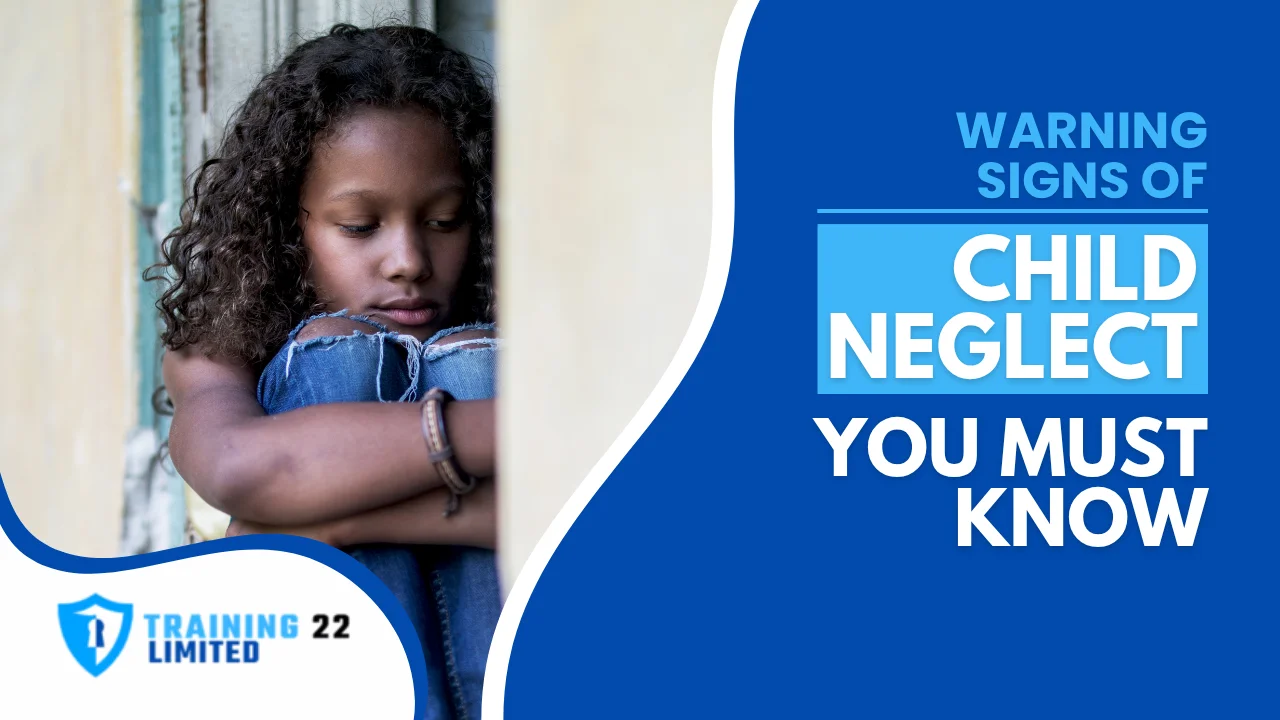
Child neglect often goes unnoticed. It doesn’t always show obvious signs or cause immediate concern. Instead, it can blend into daily life, hiding in small, subtle changes that are easy to overlook. Recognising these warning signs early can significantly help a child.
In the UK, protecting children is everyone’s responsibility. Parents, teachers, neighbours, healthcare workers, and concerned citizens must understand the signs of neglect. When you know what to watch for, you can take action to help a child and prevent long-term harm.
Children may not tell you they are being neglected, but their daily lives often show it. Signs like missed meals, poor hygiene, sudden changes in behaviour, and emotional withdrawal can indicate neglect. Recognising these signs and knowing how to respond can switch a child’s situation from ongoing harm to receiving timely support.
What Is Child Neglect and Why It Matters More Than You Think
Child neglect is a common form of abuse in the UK, but it often goes unnoticed. Unlike physical abuse, neglect usually develops slowly and can blend into daily life, making it harder to see.
Neglect happens when a child’s basic needs are not consistently met. These needs include emotional support, good nutrition, appropriate clothing, healthcare, supervision, education, and a safe home. When these needs are ignored for a long time, the child’s well-being suffers.
According to UK guidelines on safeguarding children, neglect can be intentional or unintentional. Some parents or caregivers may struggle due to stress, poverty, mental health issues, or lack of support. Regardless of the reasons, neglect can severely harm the child.
Long-term neglect can harm brain development, emotional health, and social skills. It may lead to trust issues, low self-esteem, and difficulties in forming relationships later in life. That’s why recognising the signs of child neglect early is crucial.
Why Recognising Warning Signs of Child Neglect Early Is Crucial
Noticing signs of child neglect early allows for help before things get worse. Children often don’t talk about neglect. They might feel confused, ashamed, or not realise their situation is not normal.
Adults need to stay alert. Small changes in a child’s behaviour, looks, or mood can be important signs. Catching these signs early lets professionals help.
Early help doesn’t always mean taking a child away from home. Sometimes it means giving families advice, resources, and support. This help can make parents better and create a safer home for the child.
Ignoring early signs of child neglect can make the problem worse. Acting at the right time can prevent serious harm and greatly improve a child’s future.
Physical Signs of Child Neglect You Should Never Ignore
Signs of physical neglect in children are often clear but can be overlooked as temporary issues. It’s important to recognise patterns rather than just one-time events.
Children who face neglect may often look unclean or dress inappropriately. For instance, wearing light clothing in cold weather or having poor hygiene can be strong warning signs.
Other physical signs of neglect include:
- Always being hungry or asking for food
- Stealing food or hiding snacks
- Untreated medical or dental issues
- Frequent illnesses or infections without care
- Extreme tiredness or sleeping during the day
- Poor hygiene, like unwashed skin, hair, or clothes
These repeated signs of neglect should not be ignored. Consistent issues often indicate a serious problem.
It’s also important to think about the situation. Occasional problems can happen in any family, but ongoing patterns may signal deeper issues that need attention.
Emotional Neglect in Children: Signs That Are Often Missed
Emotional neglect in children can be hard to spot. Unlike physical neglect, it doesn’t leave visible signs. It mainly affects a child’s feelings, behaviour, and interactions.
A child who feels emotionally neglected may seem withdrawn, anxious, or quiet. They might avoid eye contact, struggle to show emotions, or seem disconnected from what’s happening around them.
Sometimes, children react by being overly needy, disruptive, or aggressive. These actions are often seen as “bad behaviour,” but they can signal that the child needs help.
Other signs of emotional neglect include:
- Low self-confidence
- Trouble making friends
- Fear of making mistakes
- A constant need for approval
- Lack of emotional reactions when expected
Recognising these signs helps adults respond with understanding. Instead of judging the child’s behaviour, it encourages a closer look at their emotional needs.
Behavioural Changes That Could Indicate Neglect
A child’s behaviour can show what they can’t say. Sudden or lasting changes in behaviour can be clear signs of neglect.
Children may start to act differently at school, at home, or with friends. These changes can happen quickly or slowly, often indicating that something is wrong.
Common signs of behavioural issues include:
- Missing school often or being late without a reason
- Dropping grades
- Trouble focusing
- Withdrawing from others
- Taking risks or acting dangerously
- Being afraid or reluctant to go home
These warning signs are more serious when they appear with physical or emotional signs. When multiple signs happen together, the chances of neglect increase.
It’s important to watch for patterns over time. One unusual incident may not mean neglect, but repeated behaviours usually tell a clearer story.
Educational Neglect: A Hidden but Serious Concern
Educational neglect is often ignored, but it can have serious long-term effects. It happens when a child’s right to education isn’t supported or prioritised.
This can include missing school often, parents not getting involved, or not providing basic school supplies like books and uniforms, or help with homework.
Teachers usually spot these problems first, but anyone who interacts with children can notice them. A child who frequently misses school or struggles without help may be facing neglect at home.
UK guidance on child safety emphasises how important education is for a child’s growth. Without it, children may have fewer opportunities, less confidence, and lasting disadvantages.
Dealing with educational neglect early helps children stay on track and secure a stable future.
Environmental Signs That Suggest a Child May Be Neglected
A child’s surroundings can show a lot about their well-being. Even if you can’t see inside a home, some signs can indicate problems.
These signs may include:
- Unsafe or unhealthy living conditions
- No heat during winter
- Little access to food or clean water
- Crowded or unsuitable housing
- Exposure to harmful substances or dangerous situations
Noticing these signs of neglect often requires careful attention. Small details, like a child often mentioning being cold or hungry, can indicate bigger issues.
It’s crucial to be sensitive when making these observations. The aim is to recognise when a child may need help, not to judge.
When to Report Child Neglect Concerns and What to Do Next
Many people worry about when to report child neglect. They fear being wrong or interfering. However, taking action based on concern is important.
If something feels off, it’s better to speak up. You don’t need hard evidence. Sharing what you see with a school, local authority, or safeguarding professional can lead to a proper assessment.
In the UK, there are systems to protect children and support families. Reporting concerns can lead to early help and resources that improve a child’s situation.
When deciding to report neglect, trust your instincts. If you notice a pattern of signs, it’s important to raise the issue.
How Training Can Help You Protect Vulnerable Children
Understanding child neglect is easier with proper training. Structured learning offers clear frameworks and real-life examples that boost confidence.
To strengthen your knowledge, think about joining a one-day child safeguarding course in London or an online course. These programs help you understand your safeguarding responsibilities and how to respond.
Training 22 provides professional safeguarding training that meets UK standards. Whether you work with children or want to be more aware, these skills help you act responsibly.
Education is a key way to enhance child protection in communities.
The Long-Term Impact of Child Neglect on Development
Child neglect affects people even after they grow up. It can impact mental health, relationships, and overall life quality.
Neglected children often have trouble trusting others, managing emotions, and feeling good about themselves. They are also at higher risk for anxiety, depression, and behaviour issues.
In severe cases, neglect can harm brain development, especially in early childhood. This can affect learning, memory, and emotional control.
Spotting signs of neglect early can help lessen long-term effects. With proper support, children can heal, build resilience, and live healthier lives.
Common Myths About Child Neglect You Should Not Believe
Many people misunderstand neglect, making it hard to identify. Knowing the truth is key to proper protection.
One myth is that neglect only happens in poor families. In reality, it can occur in any kind of family.
Another misconception is that neglect has to be severe to be important. However, even minor neglect over time can cause great harm.
Some think it’s not their job to help. In fact, protecting children is everyone’s duty. Spotting signs of neglect and acting on them can make a big difference.
Practical Steps You Can Take If You Are Concerned
If you see signs of child neglect, here are steps you can take:
First, watch for patterns. Keep track of repeated signs or behaviours that worry you.
Second, talk to a professional, like a teacher or safeguarding lead. If it seems urgent, contact local safeguarding services right away.
Key steps include:
- Trust your instincts
- Write down your observations
- Share your concerns with the right people
- Follow up if necessary
Taking action may be uncomfortable, but it can help protect a child from harm.
Building a Safer Community Through Awareness and Action
Keeping children safe takes teamwork. When communities know the risks, children are safer.
Learning about child neglect helps people spot and address issues. This builds a better support system for at-risk children.
You can help by sharing what you know, staying updated, and speaking out when needed. Small actions can make a big difference.
By spotting signs of neglect and taking action, you help create a safer and more supportive environment for children in the UK.
Your Awareness Can Change a Child’s Future
Every child deserves safety, care, and support. Sadly, many face neglect that nobody sees.
Knowing how to spot child neglect is important. Recognising warning signs helps you protect children.
If you see signs of neglect at home, trust your instincts and act. Your awareness could change a child’s life for the better.