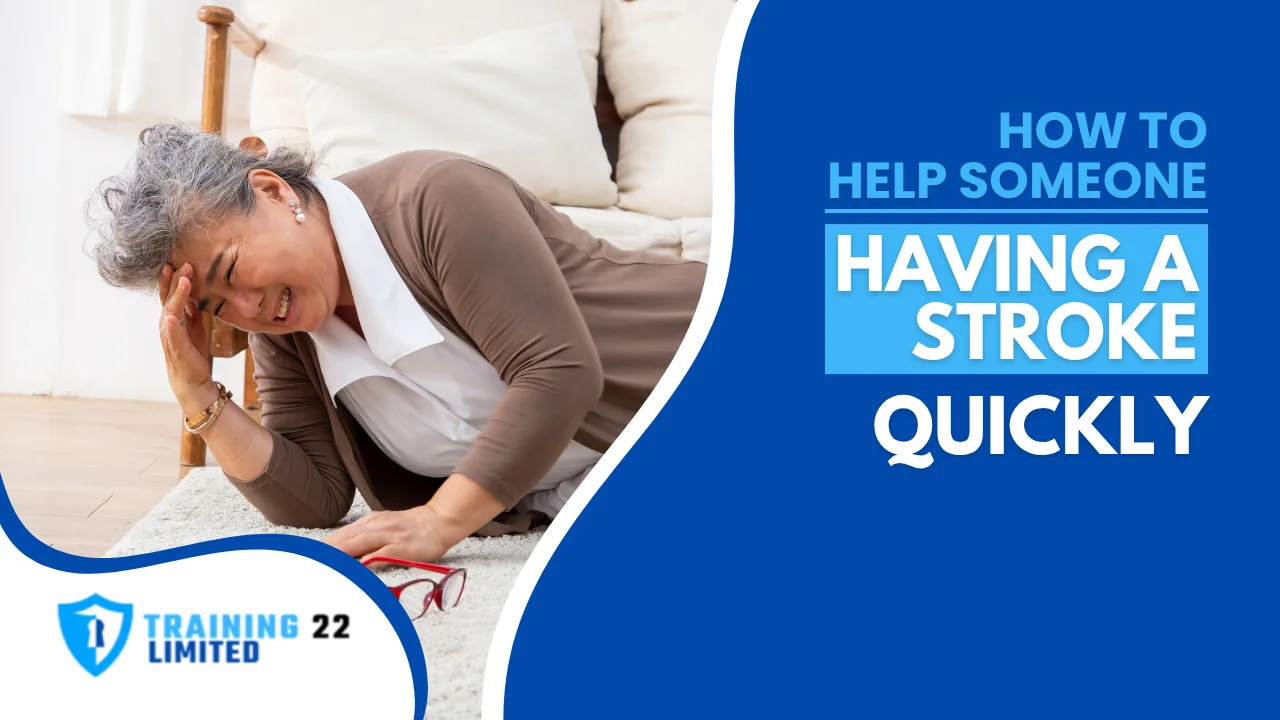
A stroke can happen anytime and anywhere, like in a store, during a meeting, on public transport, or at home. In the crucial first few minutes, knowing how to help can save a life. Many people worry about making mistakes, but not doing anything is much more dangerous than taking calm, informed action.
In the UK, strokes are still a leading cause of death and long-term disability. However, outcomes have improved because more people notice symptoms early and act quickly. By following the right first aid steps, you can give someone the best chance to recover.
This simple guide will help you recognise stroke symptoms, respond confidently, and safely support someone until help arrives.
Understanding Stroke: What Is Really Happening Inside the Body?
To respond effectively, it’s important to know what a stroke is. A stroke happens when blood flow to the brain stops. The brain needs a constant supply of oxygen and nutrients. When this supply stops, brain cells start to die within minutes.
That’s why knowing what to do during a stroke emergency is crucial. Every second without treatment increases the risk of permanent damage. Quick action can reduce that damage and sometimes even reverse symptoms.
There are two main types of strokes:
- Ischaemic stroke: The most common type, caused by a blockage like a blood clot.
- Haemorrhagic stroke: Caused by a burst blood vessel that leads to bleeding in the brain.
Both types need urgent medical help. Sometimes, a person may experience a transient ischaemic attack, or mini stroke. Although symptoms may go away quickly, it’s still a serious warning sign that should not be ignored.
Early Warning Signs: Spotting a Stroke Before It’s Too Late
Recognising the early signs of a stroke is vital for saving a life. The challenge is that symptoms can come on quickly and might not seem serious at first.
Common signs of a stroke include:
- Sudden numbness or weakness, especially on one side of the body
- One side of the face is drooping
- Trouble speaking or understanding
- Sudden confusion
- Loss of balance or coordination
- Severe headache without a clear cause
- Vision issues, like blurred or double vision
Even mild or temporary symptoms should be taken seriously. Quick action is crucial, as delays can worsen symptoms and lead to long-term problems.
The FAST Stroke Symptoms Checklist
The FAST stroke symptoms checklist helps recognise a stroke quickly. It is commonly used in the UK and is a key part of stroke first aid guidelines.
FAST Breakdown
- F – Face: Ask the person to smile. Is one side drooping?
- A – Arms: Ask them to raise both arms. Does one arm fall down?
- S – Speech: Is their speech slurred or hard to understand?
- T – Time: If you see any of these signs, call emergency services right away.
The FAST method helps you make quick decisions. You don’t need medical training to use it. If something feels off, trust your gut and take action.
When to Call Emergency for Stroke: Act Without Delay
One key question is when to call for help during a stroke. The answer is clear: call right away.
In the UK, dial 999 as soon as you suspect a stroke. Don’t wait to see if symptoms get better, or try to diagnose it yourself. Emergency services are trained to respond quickly and provide vital treatment.
While waiting for help:
- Stay calm and reassure the person
- Note when the symptoms started
- Keep the person still and comfortable
- Make sure they are in a safe position
These simple steps can help paramedics improve the outcome.
Stroke First Aid Steps: What You Should Do Immediately
Following clear stroke first aid steps helps you stay focused during a stressful situation.
Step-by-Step Action Plan
- Call 999 right away.
- Help the person sit or lie down safely.
- Support their head and shoulders a bit higher.
- Loosen any tight clothing around their neck.
- Keep checking their breathing and alertness.
Additional Support Actions
- If they are unconscious but breathing, put them in the recovery position.
- Stay with them.
- Be ready to give information to emergency responders.
What NOT to Do
- Do not give food or drink. They may have trouble swallowing.
- Do not give medication unless a professional tells you to.
- Do not let them sleep or ignore any symptoms.
These steps are the basis for giving good first aid during a stroke emergency.
How to Help Someone Having a Stroke in Public or at Work
Strokes can happen anywhere in daily life. It’s important to know how to assist someone experiencing a stroke in public or at work.
In workplaces, trained first aiders can make a big difference. Staff who have completed recognised training, like a First Aid at Work Course in London, feel more confident in managing emergencies calmly and effectively.
Employers who invest in courses like an HSE-approved first aid course in London create safer spaces for employees and visitors. These courses not only meet legal requirements but also help teams respond quickly, communicate clearly, and manage real emergencies effectively.
Why Time Matters: Understanding the Golden Hour
The “golden hour” is important in stroke care. The quicker the treatment starts, the better the results.
Treatments like clot-busting drugs work best when given early. Waiting can reduce treatment options and raise the risk of lasting disability.
Acting quickly boosts:
- Chances of survival
- Recovery of brain function
- Independence after recovery
That’s why all emergency stroke guides stress urgency. Time lost means brain lost.
Supporting the Person Before Help Arrives
While waiting for emergency help, your job is to stay calm and support the person.
You should:
- Keep them calm and reassured.
- Watch their breathing closely.
- Look for any changes in their symptoms.
- Keep the area quiet and safe.
If the person becomes unresponsive but is still breathing, gently place them in the recovery position. This helps keep their airway clear and lowers the risk of choking.
These steps are key in stroke first aid and can help prevent further issues.
Common Mistakes People Make During a Stroke Emergency
Even caring people can make mistakes in emergencies. Knowing these mistakes can help you respond better.
Common errors include:
- Delaying to call 999
- Thinking symptoms will go away on their own
- Giving food or drink
- Leaving the person alone
- Not recording when symptoms began
Avoiding these mistakes helps you respond correctly during a stroke emergency.
Preventing Future Strokes: Small Changes That Matter
Not all strokes can be prevented, but you can lower your risk with the right choices.
Here are some key strategies to help prevent strokes:
- Eat a balanced diet
- Keep blood pressure in check
- Stay active
- Drink less alcohol
- Don’t smoke
Regular health check-ups can spot risks early. Being aware is important for prevention and quick response.
Why First Aid Training Builds Confidence and Saves Lives
Knowing what to do if someone has a stroke is crucial. First aid training gives you the knowledge and practise you need.
Training 22 offers recognised programs that help you build confidence in emergencies. If you want practical training, a 3-Day First Aid at Work Course in London offers hands-on experience for real-life situations.
For a more flexible way to learn life-saving skills, consider the FAW Course in London. This option provides practical knowledge you can rely on.
These courses teach you to respond quickly, stay calm, and make smart choices during emergencies. These skills are valuable for all employees, employers, and the public.
Real-Life Scenarios: When Your Actions Make a Difference
You’re at work, and a coworker suddenly can’t speak. Or you’re on a train, and someone falls down. These moments can be scary, but knowing what to do can help you take charge.
By knowing the FAST signs of a stroke and following first aid steps, you can change panic into action. Your quick response could lessen damage or even save a life.
Be Ready, Stay Calm, Act Fast
A stroke is a medical emergency that needs quick action. By recognising the signs of a stroke, knowing when to call for help, and following the proper first aid steps, you can make a big difference.
Being prepared is important. Knowing what to do gives you confidence. In an emergency, your actions really count.