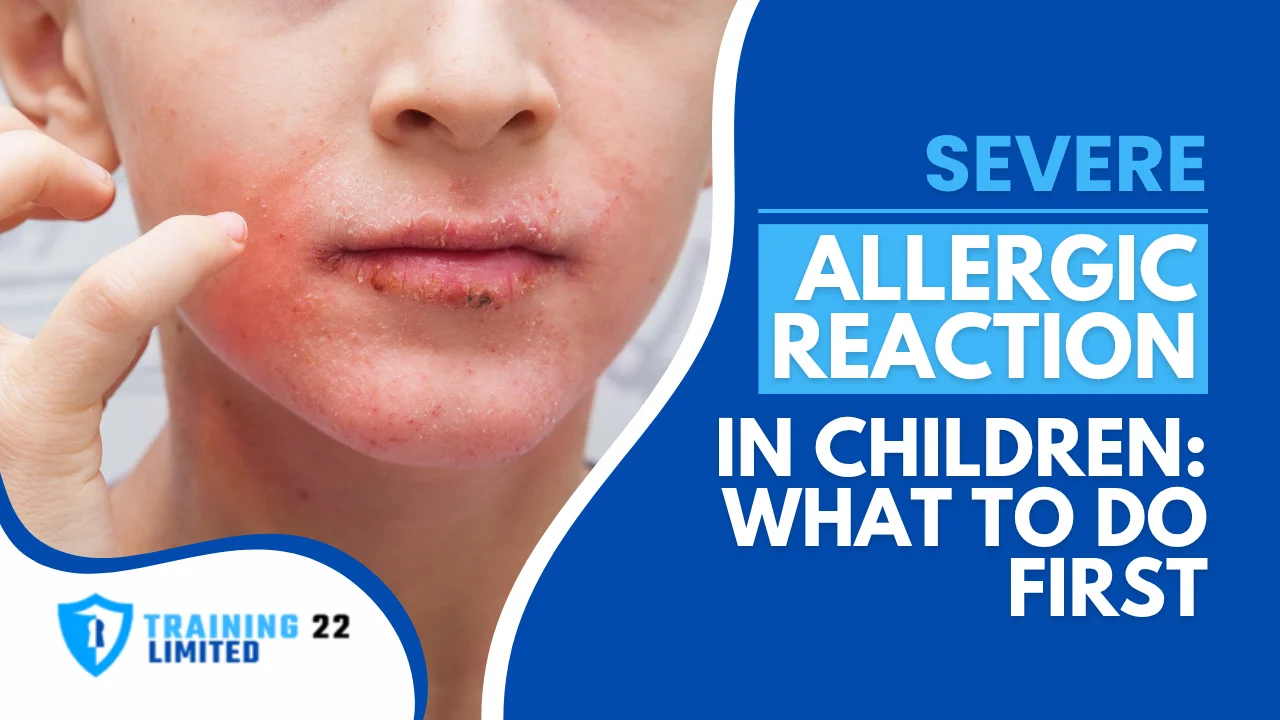
A severe allergic reaction in children can happen suddenly and without warning. A child may eat a snack, touch something, get stung, or take medicine and quickly show serious symptoms. For parents, caregivers, teachers, babysitters, and childcare providers, knowing what to do first can save a life.
Many believe allergies only cause mild itching or sneezing. However, some reactions can turn life-threatening very quickly. Issues like trouble breathing, swelling, dizziness, or fainting can indicate anaphylaxis, which is a medical emergency that needs immediate action.
In the UK, more families are becoming aware of food allergies, medication allergies, and environmental triggers that affect children. Therefore, recognising the signs of anaphylaxis in children and knowing how to respond is crucial.
Whether you’re a parent preparing for emergencies or a nursery worker in charge of young kids, learning first aid for allergic reactions can help protect a child until professional help arrives.
Why Severe Allergic Reactions in Children Must Never Be Ignored
A severe allergic reaction in children can happen quickly. A child’s immune system mistakenly thinks something is harmful and reacts strongly. This reaction releases chemicals like histamine, causing swelling, breathing problems, skin issues, and circulation troubles.
Many allergic reactions start with mild symptoms. A child might say their mouth itches, their stomach hurts, or their lips tingle. Parents might think these signs are just anxiety or minor discomfort. Unfortunately, these symptoms can get worse in minutes.
Children are especially at risk because they often can’t express how they feel. Younger kids may not clearly explain chest tightness, breathing changes, or dizziness. They might suddenly become quiet, scared, pale, or clingy.
Anaphylaxis can occur after eating common foods like peanuts, tree nuts, milk, eggs, seafood, sesame, or wheat. Other triggers include insect stings, medications, latex, and exercise with food allergies.
Recognising allergic reaction symptoms early helps adults respond quickly before the situation becomes serious.
The Hidden Warning Signs Parents Often Miss
Many people think allergic reactions start with dramatic symptoms, but early signs can be subtle. It’s important to notice small changes quickly.
In children, a common sign of anaphylaxis is sudden swelling around the lips, face, tongue, or eyes. They may also develop itchy hives.
Not all serious reactions include a rash. Some children may show breathing problems first, which can be very serious. Watch for:
- Wheezing
- Coughing
- Difficulty swallowing
- Hoarse voice
- Noisy breathing
- Tightness in the chest
- Pale or blue skin
- Sudden tiredness
- Confusion
- Fainting
Some children might say their throat feels “funny” or “tight.” Others may panic because they struggle to breathe.
Stomach issues like vomiting, diarrhea, and severe abdominal pain can also occur during a bad allergic reaction, sometimes along with breathing problems.
Parents should remember that reactions can happen very quickly, sometimes within seconds. If a child shows multiple symptoms affecting their breathing, circulation, or consciousness, treat it as a medical emergency right away.
What Causes Anaphylaxis in Children?
Anaphylaxis is a severe allergic reaction that affects multiple body systems and needs immediate treatment.
Food allergies are a major cause of anaphylaxis in kids across the UK. Schools and nurseries are becoming more aware of how to manage allergies because even tiny amounts of allergens can cause serious reactions.
Common allergy triggers include:
Food Allergies:
Children can react to:
- Peanuts
- Cashews
- Almonds
- Milk
- Eggs
- Fish
- Shellfish
- Soy
- Sesame
Medication Allergies:
Some children may have reactions to:
- Antibiotics
- Painkillers
- Certain vaccines
Insect Sting Allergies:
Bee and wasp stings can cause severe reactions in some children.
Environmental Triggers:
Latex and certain chemicals, though less common, can also lead to allergic emergencies.
Parents should never assume their child will outgrow severe allergies without consulting a doctor. Even if past reactions were mild, future ones can be more serious.
That’s why it’s important to take emergency responses to child allergies seriously.
The First Things You Must Do During an Allergic Emergency
Seeing a child have trouble breathing can be scary, but staying calm helps you think and act quickly.
1. Call Emergency Services Right Away
If a child shows signs of breathing problems, swelling, or lack of alertness, call 999. Clearly say, “Child having anaphylaxis,” to help responders prioritise the emergency.
2. Use an Adrenaline Auto-Injector
If the child has an EpiPen or similar device, use it right away if they show signs of anaphylaxis.
3. Keep the Child Still and Calm
Don’t let the child walk around. If they’re having trouble breathing, they can sit up slightly. If they feel faint, lie them flat and raise their legs.
4. Remove the Allergen if You Can
For example, stop them from eating, carefully take out any insect stingers, or move away from the allergen.
5. Monitor Breathing Constantly
Be ready to start CPR if the child stops breathing. Quick action can save lives while waiting for help.
Understanding EpiPen Use for Children in the UK
Many parents feel anxious about using an adrenaline auto-injector for the first time. However, waiting to give the injection can be riskier than using it right away. The UK guidelines recommend using an EpiPen immediately if a child shows signs of anaphylaxis.
The injection contains adrenaline, which helps:
- Open airways
- Improve breathing
- Raise blood pressure
- Reduce swelling
How to Use an EpiPen
Though instructions may differ slightly by brand, the main steps are:
- Remove the safety cap.
- Hold the device firmly.
- Place it against the outer thigh.
- Push until it clicks.
- Hold it in place for several seconds.
- Gently massage the area afterward.
You can often use the injection through clothing if needed. After using the auto-injector, call 999 if you haven’t already. Some children may need a second dose if their symptoms persist until help arrives.
Parents, teachers, and caregivers should check the expiry dates of allergy medications regularly and ensure that anyone responsible for the child knows how to use the EpiPen properly. Taking a first aid course, like emergency paediatric first aid course, can help adults feel more confident in emergencies involving children.
Can Antihistamines Replace Emergency Treatment?
One common myth is that antihistamines can stop severe allergic reactions. While they may help with mild symptoms like itching or hives, they do not replace adrenaline during anaphylaxis. Antihistamines work slowly and aren’t effective for airway swelling or serious breathing problems. If a child shows signs of anaphylaxis, adrenaline must be given first.
Parents may hesitate because they fear “overreacting,” but medical experts recommend taking suspected anaphylaxis seriously. It’s better to treat early than to wait for symptoms to get worse. Children with mild allergic reactions should still be watched closely, as symptoms can change quickly.
Doctors may suggest having the following on hand, based on the child’s medical history:
- Antihistamines
- Adrenaline auto-injectors
- Asthma inhalers
Knowing the difference between mild allergies and life-threatening reactions is crucial for first aid in paediatric allergies.
How Schools and Nurseries Handle Child Allergy Emergencies
Schools and childcare centres in the UK are getting better at handling allergy emergencies.
Staff need to spot allergy symptoms in children before parents arrive. Many have:
- Allergy action plans
- Allergy training for staff
- Procedures for emergency medicine
- Food safety rules
- Allergen awareness systems
Teachers and childcare workers should know which kids have auto-injectors and where the medicine is kept.
Clear communication between parents and schools is key. Parents should provide updated medical forms, allergy plans, and emergency contacts.
As children grow, they should learn about allergies. Teaching them not to share food and to speak up when they feel unwell can help keep them safe.
Professionals who work with kids can be better prepared by taking a 1-day paediatric first aid course, which often covers allergy management and emergency response.
What To Do After the Emergency Has Passed
Even after a child feels better, it’s crucial to assess their health. Some allergic reactions can return hours later in a biphasic reaction, meaning symptoms may come back unexpectedly. Because of this risk, doctors usually monitor children treated for anaphylaxis in the hospital.
After the emergency:
- Follow all medical advice.
- Schedule appointments with an allergy specialist if recommended.
- Replace expired auto-injectors.
- Update allergy plans at school.
- Inform caregivers and family members.
Parents should identify what caused the reaction. Sometimes it’s easy, but allergy testing may be necessary. Many families feel anxious after a severe allergic reaction, which is normal. Learning about how to respond to allergies can help restore confidence. Regular training also prepares parents and caregivers.
Building an Allergy-Safe Environment at Home
To prevent allergic reactions, awareness and preparation are key.
Families with allergies often make small but important changes at home. These changes include:
- Reading food labels carefully
- Avoiding cross-contamination
- Informing visitors about allergies
- Keeping emergency medication nearby
- Teaching siblings about allergy safety
For severe allergies, some families remove certain foods completely. Parents should also make emergency plans for:
- School trips
- Holidays
- Restaurants
- Birthday parties
- Sleepovers
Young children might eat unsafe foods if adults aren’t careful. Setting clear rules and gradually preparing kids helps keep them safe as they gain independence. Many families also teach relatives and babysitters how to use adrenaline auto-injectors. Knowing the steps for treating anaphylaxis gives everyone more confidence in emergencies.
Why Fast Action Matters More Than Perfect Knowledge
Many adults panic about making mistakes in emergencies. However, acting quickly is often more important than being perfect. Delaying help during a severe allergic reaction in children can make the situation worse.
Medical experts always say, “When in doubt, take it seriously.” If a child has trouble breathing, swelling, or collapses after exposure to an allergen, don’t wait to act.
The steps you should take include:
- Calling 999
- Using adrenaline quickly
- Monitoring their breathing
- Keeping the child calm
These actions can greatly improve the outcome. Even those without medical training can learn these skills. Completing an emergency paediatric first aid course can help parents, nursery workers, teachers, and caregivers feel more ready for real-life emergencies with children.
Common Myths About Severe Allergies in Children
Misinformation can delay help during allergic emergencies.
Myth 1: “A Small Amount Cannot Hurt Them”
Even tiny bits of allergens can cause severe reactions in some children.
Myth 2: “They Had Mild Symptoms Last Time”
Future reactions can be much worse.
Myth 3: “Antihistamines Are Enough”
Antihistamines do not replace adrenaline when someone has anaphylaxis.
Myth 4: “The Child Looks Better Now”
Symptoms can come back even if a child seems better for a while.
Myth 5: “Only Food Causes Anaphylaxis”
Reactions can also be triggered by medications, insect stings, and latex.
Breaking these myths helps adults act quickly and confidently. Public awareness of anaphylaxis signs in children is improving in the UK, but education is still crucial.
The Emotional Impact Allergies Can Have on Families
Living with severe allergies affects more than just physical health.
Many parents worry about accidental exposure when their children go to school, birthday parties, or social events.
Children may feel anxious or left out if they can’t eat the same foods as their friends.
Some families avoid restaurants, travel, or group activities due to allergy fears.
Open communication and education can ease these worries.
Parents should encourage their children to:
- Talk confidently about their allergies
- Ask about ingredients in food
- Carry their medication responsibly as they grow
- Inform adults immediately if they have symptoms
Schools and communities can help create safer spaces by raising allergy awareness.
Understanding allergy emergency symptoms is important not just for parents, but also for friends, teachers, grandparents, and childcare providers.
How First Aid Training Helps Adults Protect Children
Many people realise the importance of first aid only after an emergency. Learning how to respond before a crisis can save time during real events.
Paediatric first aid training helps adults:
- Recognise allergic emergencies quickly
- Use auto-injectors confidently
- Stay calm under pressure
- Manage breathing emergencies
- Communicate well with emergency services
For childcare professionals, managing allergies is becoming increasingly important. Parents also benefit from structured training because emergencies can happen unexpectedly at home, in restaurants, or while travelling.
Providers like Training 22 offer hands-on learning to boost confidence in child emergencies. Many parents and professionals opt for a one-day paediatric first aid course to learn essential skills like allergy management, CPR, choking response, and dealing with unconscious children.
For those in childcare settings, completing a recognised emergency paediatric first aid course can enhance workplace safety.
Protecting Children During Severe Allergic Reactions
A severe allergic reaction in children is a scary situation for parents and caregivers. Recognising symptoms quickly and acting fast can save a life.
Knowing the signs of anaphylaxis helps adults respond before it gets worse. Using adrenaline quickly, calling for emergency help, and providing calm first aid are crucial during an allergic emergency.
As allergies affect more children in the UK, education and preparedness are essential for families, schools, nurseries, and childcare providers.
Parents, teachers, babysitters, and nursery workers can learn first aid for allergic reactions in children. These skills can help protect a child’s life.
Training and awareness help create safer environments for children everywhere.
Frequently Asked Questions
What are the first signs of anaphylaxis in children?
Early signs include swelling, hives, coughing, trouble breathing, vomiting, dizziness, and tightness in the throat.
Should I call 999 for a severe allergic reaction?
Yes. Call emergency services right away if a child has breathing problems, collapses, or has severe swelling.
Can antihistamines stop anaphylaxis?
No. Antihistamines can help with mild allergies, but they cannot replace adrenaline for anaphylaxis.
How quickly should an EpiPen be used?
You should use an EpiPen immediately when severe symptoms appear.
Can a child have an allergic reaction without a rash?
Yes. Some children may have breathing or circulation issues without skin reactions.