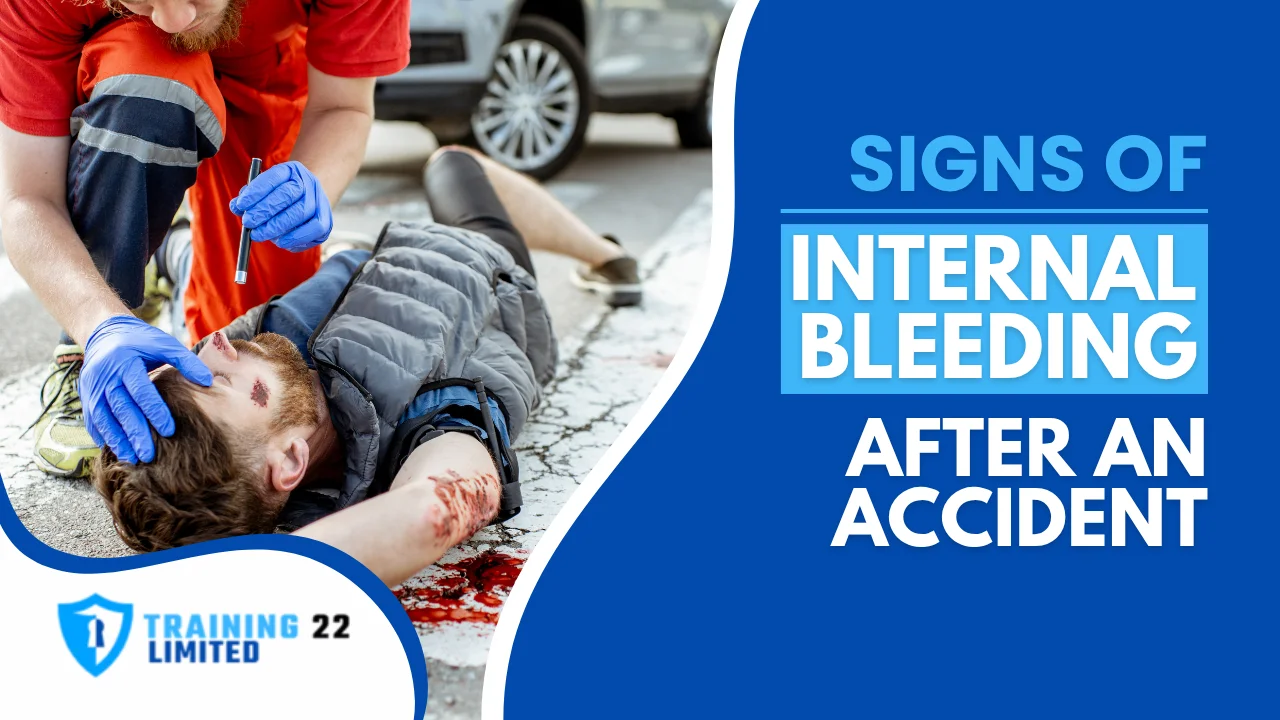
Accidents happen quickly. One moment you may be driving home, walking across a road, playing sports, or working on-site, and the next moment everything changes. While cuts, bruises, and broken bones are often easy to spot, some injuries remain hidden beneath the surface. One of the most dangerous examples is internal bleeding.
After an accident, many people feel fine because they don’t see any blood. However, the body can still have serious internal injuries. Sometimes, symptoms take hours to show up, making the situation riskier. Recognising the signs of internal bleeding can help people act fast and save lives.
Emergency services in the UK often respond to road accidents, workplace injuries, sports injuries, slips, and falls that cause internal damage. It’s important for adults, parents, workers, and drivers to know the symptoms to watch for and when to get emergency help.
Injuries can happen anywhere at home, on the road, or at work. Knowing first aid can make a big difference. Many people who take a first aid course in London feel more confident dealing with emergencies until help arrives.
Why Internal Bleeding Is More Dangerous Than Many People Realise
Internal bleeding happens when blood vessels inside the body get damaged and leak blood into nearby tissues, organs, or cavities. Unlike external bleeding, you can’t see the blood right away. This makes it possible for the condition to become life-threatening before anyone notices something is wrong.
The body needs a steady blood flow to deliver oxygen and nutrients. If blood leaks inside, organs may not work properly. Heavy blood loss can cause shock, unconsciousness, or organ failure.
One reason these injuries are serious is that symptoms often show up later. A person might feel only slight discomfort right after an accident. Hours later, they could suddenly feel dizzy, look pale, feel confused, or even collapse. This delay is why it’s crucial to know the signs of internal bleeding after an injury.
Some people assume only major car crashes cause internal injuries. In reality, internal bleeding can happen after:
- Falls from height
- Sports injuries
- Workplace accidents
- Bicycle collisions
- Assaults
- Road traffic accidents
- Heavy impacts to the abdomen or chest
- Elderly slips and falls
Even a relatively minor accident can cause damage to internal organs or blood vessels.
What Causes Internal Bleeding After an Accident?
The body contains thousands of blood vessels that can become damaged during trauma. Internal bleeding usually occurs when a forceful impact tears blood vessels or injures organs.
For example, during a road accident, the body may slam into a seatbelt, steering wheel, dashboard, or airbag. Although the skin remains intact, organs underneath can still suffer significant trauma.
Some of the most common causes include:
Blunt Force Trauma
Blunt force trauma happens when the body is struck without breaking the skin. This is one of the leading causes of trauma, internal bleeding signs after accidents.
Here are some examples:
- Falling on a hard surface
- Getting hit in contact sports
- Accidents at construction sites
- Car crashes
Penetrating Injuries
These occur when an object enters the body, damaging tissues and organs internally.
Examples include:
- Knife cuts
- Injuries from sharp metal
- Injuries from broken glass
Fractured Bones
Broken bones can puncture nearby blood vessels internally. Pelvic fractures and broken ribs are especially dangerous because they can damage major organs.
Head Injuries
Bleeding around the brain can occur after a head injury, even if the person initially appears normal. This is why any loss of consciousness or confusion after an accident should be taken seriously.
Finding internal bleeding early can prevent problems and boost survival rates.
The Early Warning Signs You Should Never Ignore
A major problem with internal bleeding is that symptoms can change based on where and how bad the injury is.
Some signs show up quickly, while others take time to develop. Recognising early symptoms of internal bleeding can help people get medical help quickly before the situation gets worse.
Common General Symptoms
Here are some of the most common warning signs:
- Feeling lightheaded or unsteady.
- Lack of strength or energy.
- Skin that looks very light or dull.
- Feeling very fatigued or worn out.
- Skin that feels cool or sweaty.
- Heart beating very fast.
- Trouble getting enough air.
- Losing consciousness or feeling like you might.
- Feeling puzzled or unclear in thinking.
- Intense or strong discomfort.
These symptoms often indicate that the body struggles to maintain blood flow.
Signs of Shock
Heavy internal bleeding can cause shock. This is a medical emergency that requires immediate treatment.
Shock symptoms include:
- Fast breathing
- Weak pulse
- Sweating
- Restlessness
- Blue lips or fingertips
- Loss of consciousness
Knowing these signs of internal bleeding can save valuable time during emergencies for people in the UK.
Abdominal Internal Bleeding: The Hidden Emergency Many People Miss
The abdomen contains several major organs, including the liver, spleen, kidneys, pancreas, and intestines. After a strong impact, these organs can rupture or become damaged internally.
Abdominal injuries are not always easy to see right away.
Common Abdominal Symptoms
Here are the signs of abdominal bleeding in trauma victims:
- Severe stomach pain
- Swelling or bloating
- Tenderness when touched
- Bruising around the abdomen
- Vomiting blood
- Blood in urine or stool
- Nausea
- Pain spreading to the shoulder
They may also feel more pressure or tightness in the stomach area.
Why Seatbelt Injuries Matter
Seatbelts save lives every day, but crashes can still cause hidden injuries to the abdomen. Bruising on the belly after a crash should always be taken seriously.
If someone feels worse pain or dizziness after a car accident, they should get medical help right away.
Understanding the symptoms of hidden injuries after an accident can help people get prompt treatment.
Internal Bleeding in the Brain: A Silent and Serious Threat
Head injuries can cause bleeding inside the skull. This internal bleeding is dangerous because it puts pressure on the brain.
Some people might look fine right after a head injury, but symptoms can show up later.
Brain Bleeding Symptoms
Watch for these signs:
- Severe headache
- Vomiting
- Slurred speech
- Unequal pupils
- Confusion
- Drowsiness
- Loss of balance
- Seizures
- Sudden personality changes
- Loss of consciousness
These are serious signs of internal bleeding that need quick medical attention.
Why Delayed Symptoms Are Dangerous
Some people may decline medical help because they feel okay at first. However, this can be dangerous if there’s ongoing bleeding in the skull.
Anyone who gets a head injury from falling, sports, or a car accident should be watched closely for at least 24 hours.
People who take a first aid course for work learn how to monitor head injury symptoms while waiting for emergency help.
Chest Internal Bleeding and Breathing Difficulties
The chest protects important organs like the lungs and heart. Strong impacts can hurt ribs, lungs, or major blood vessels.
Always take chest trauma seriously, especially after car accidents or work incidents.
Signs of Chest Internal Bleeding
Symptoms may include:
- Chest pain
- Shortness of breath
- Fast breathing
- Coughing up blood
- Blue lips
- Weakness
- Fast pulse
Breathing problems are serious. They might mean a lung has collapsed or there is bleeding around the lungs.
Rib Injuries Can Be Dangerous
Broken ribs may puncture organs or blood vessels internally. Even if the pain seems manageable, worsening breathing problems should never be ignored.
Recognising symptoms of internal bleeding in chest injuries can help emergency responders treat patients more quickly.
Internal Bleeding After Falls in Older Adults
Falls are a major cause of injury for older people in the UK. A simple fall at home can lead to serious injuries.
Older adults are more at risk because their blood vessels become fragile with age. Some also take blood-thinning medications, which raises the risk of bleeding.
Why Symptoms Can Be Hard to Spot
An older adult might say they feel tired or have slight discomfort after a fall. But they could be starting to bleed inside.
Look out for:
- Sudden confusion
- Weakness
- Dizziness
- Trouble walking
- Unusual drowsiness
- Bruising that spreads quickly
These symptoms of internal bleeding after a fall should not be ignored as just normal aging.
Hip and Pelvic Injuries
Pelvic fractures can lead to serious internal bleeding. If an elderly person cannot stand, walk, or has severe hip pain after a fall, they need emergency medical help right away.
Knowing first aid skills for internal bleeding can help family members and caregivers respond confidently in these situations.
How Doctors Detect Internal Bleeding in the Hospital
Many people ask how to find internal bleeding when symptoms aren’t clear. Doctors use different methods to identify hidden injuries.
Physical Examination
Medical professionals check:
- Blood pressure
- Pulse rate
- Breathing
- Bruising
- Pain locations
- Mental alertness
Imaging Scans
Hospitals often use:
- CT scans
- Ultrasounds
- MRI scans
- X rays
These tests help doctors find bleeding around organs, the brain, lungs, or abdomen.
Blood Tests
Blood tests can show if the body has lost a lot of blood. Quick diagnosis is important because untreated bleeding can quickly be deadly.
First Aid Steps for Suspected Internal Bleeding
If you think someone has internal bleeding after an accident, it’s crucial to act fast. Many people panic in emergencies, but staying calm helps both the injured person and the responders.
Step One: Call Emergency Services
If someone faints, has trouble breathing, feels confused, has severe pain, or shows shock, call 999 right away.
Knowing when to call an ambulance for internal bleeding can save lives.
Step Two: Keep the Person Still
Movement can make internal injuries worse. Ask the injured person to stay still and not move unnecessarily.
Step Three: Monitor Breathing and Consciousness
Look for changes in:
- Breathing
- Skin colour
- Alertness
- Pulse
If the person becomes unconscious and stops breathing, start CPR if you are trained.
Step Four: Prevent Shock
To reduce shock:
- Keep the person warm.
- Calmly reassure them.
- Loosen tight clothing.
- Don’t give food or drink.
These first aid steps for internal bleeding can help stabilise the person until paramedics arrive.
People who take a 3-day first aid at work course often feel more confident dealing with emergencies like shock, trauma, and unconsciousness.
Why Delaying Medical Treatment Can Be Extremely Dangerous
Some people avoid medical help because they don’t want to make a scene. Others think their pain will go away on its own.
However, untreated internal bleeding can quickly get worse.
Complications of Delayed Treatment
Delays can cause:
- Organ damage
- Severe blood loss
- Brain injury
- Shock
- Cardiac arrest
- Death
Even slow bleeding can be life-threatening if not treated quickly.
Symptoms Can Suddenly Worsen
A person might look fine for hours but can suddenly collapse. That’s why we need to watch serious accidents closely.
Anyone who feels worse after an accident should get medical help right away.
Internal Bleeding Risks in Workplace Accidents
Workplace accidents can lead to serious injuries that may not be immediately visible.
Construction sites, warehouses, factories, and transport settings have a higher risk of blunt force injuries.
Common Workplace Causes
Examples include:
- Falling from ladders
- Accidents with heavy equipment
- Crush injuries
- Falling objects
- Slipping on hard surfaces
Employees must not ignore dizziness, stomach pain, chest pain, or confusion after a work accident.
Importance of First Aid Training in Workplaces
Trained first aiders on-site help businesses react quickly during emergencies.
Staff trained in first aid can spot hidden injuries sooner and offer better support while waiting for paramedics.
Employers in the UK are realising the importance of being prepared for emergencies and providing safety training.
Sports Injuries and Hidden Internal Bleeding
Sports injuries can often cause hidden trauma. Contact sports, cycling accidents, martial arts, rugby, and football can lead to internal injuries.
Athletes might overlook symptoms to keep playing. However, this choice can be very risky.
Symptoms Athletes Should Never Ignore
Watch for:
- Ongoing stomach pain
- Vomiting
- Dizziness
- Heavy bruising
- Chest pain
- Trouble breathing
- Sudden weakness
These could be signs of serious internal bleeding and need emergency care.
Children in Sports Accidents
Children who have sports injuries may find it hard to describe how they feel. Parents and coaches should watch for changes in behaviour after an injury.
Signs like extreme tiredness, vomiting, confusion, or bad headaches need to be checked by a doctor right away.
How Internal Bleeding Affects Different Parts of the Body
Symptoms of internal bleeding can differ based on the location of the bleeding.
Brain
Symptoms often include:
- Confusion
- Headaches
- Slurred speech
- Loss of balance
Abdomen
Common symptoms include:
- Severe pain
- Swelling
- Bruising
- Nausea
Chest
Symptoms may involve:
- Shortness of breath
- Chest tightness
- Rapid heartbeat
Muscles and Limbs
Large muscle injuries can cause internal bleeding.
Signs include:
- Swelling
- Severe pain
- Limited movement
- A feeling of tight pressure
Knowing these signs of internal bleeding helps people in the UK be more aware in emergencies.
When You Should Call 999 Immediately
Many people hold back from calling emergency services. However, certain symptoms should never be ignored.
Call 999 right away if someone:
- Loses consciousness
- Has trouble breathing
- Vomits blood
- Feels severe stomach pain
- Shows signs of shock
- Becomes confused after a head injury
- Has seizures after an injury
- Develops blue lips or pale skin
- Can’t stay awake
It’s important to know when to call for help, especially with internal bleeding. Paramedics prefer to check on someone early rather than arrive too late.
The Role of First Aid Education in Emergency Situations
Many people freeze in emergencies because they don’t know what to do.
First aid training helps people stay calm, spot danger signs, and give life-saving help.
Why First Aid Knowledge Matters
Training helps people:
- Recognise hidden injuries
- Manage shock
- Monitor those hurt
- Contact emergency services confidently
- Perform CPR if needed
This knowledge can greatly help before paramedics arrive.
Building Safer Communities
More people understanding emergency care helps homes, schools, workplaces, sports clubs, and public places.
First aid courses, like the emergency first aid at work course, help people gain confidence for real emergencies.
Many employers support staff in taking a 3-day first aid course to boost workplace safety and readiness for emergencies.
Common Myths About Internal Bleeding
Myths About Urgent Treatment
“There’s No Blood, So It’s Not Serious”
Many believe this myth, but it’s dangerous. Internal bleeding can happen without any visible cuts.
“If They Can Walk, They’re Fine”
Some seriously injured people can walk at first. Their condition may get worse later.
“Pain Always Appears Immediately”
Symptoms of internal bleeding can take hours to show up.
“Young Healthy People Recover Automatically”
Even fit young adults can have life-threatening internal injuries after accidents.
Knowing these facts helps people spot signs of internal bleeding and get help faster.
How to Stay Safer and Reduce Injury Risks
Accidents can’t always be avoided, but safety measures can lower the chance of serious injuries.
Safety Tips for Everyday Life
- Wear seatbelts properly.
- Use protective gear for sports.
- Follow safety rules at work.
- Keep floors clear of tripping hazards.
- Wear helmets while cycling.
- Don’t drive distracted.
Businesses should make sure:
- Risk assessments are current.
- Staff get proper training.
- First aid kits are easy to access.
- Emergency procedures are clear.
Training providers like Training 22 help London workplaces improve emergency readiness with professional first aid education.
Never Ignore the Body’s Warning Signs
Internal bleeding is a serious hidden injury after an accident. Symptoms might develop slowly, but the situation can worsen quickly.
Knowing the signs of internal bleeding can help people spot danger early, get medical help faster, and better support those who are injured.
Injuries can happen anywhere on the road, at work, during sports, or at home. Always be careful if you feel symptoms like dizziness, severe pain, confusion, breathing problems, or sudden weakness after an injury.
Learning basic first aid can boost your confidence in emergencies. Training 22 offers practical first aid courses to help people and workplaces respond better in medical crises.
If you want to learn life-saving skills, think about joining a first aid at work course in London. This training can help you assist a colleague, friend, family member, or even a stranger in need.
Frequently Asked Questions About Internal Bleeding
Can internal bleeding stop on its own?
Minor internal bleeding can sometimes stop by itself, but serious cases need immediate medical care. Don’t assume symptoms will clear up without a doctor’s check.
How long after an accident can internal bleeding start?
Symptoms can show up right away or take hours to develop. Some people might notice symptoms later, especially after injuries to the head or abdomen.
Is bruising always present with internal bleeding?
No, some internal injuries may not cause any visible bruising.
Can you have internal bleeding without severe pain?
Yes. Some people may only feel dizziness, weakness, or tiredness at first.
Should I go to the hospital after hitting my head?
Yes, if you feel confused, vomit, have headaches, are very sleepy, or pass out after hitting your head, get medical help immediately.