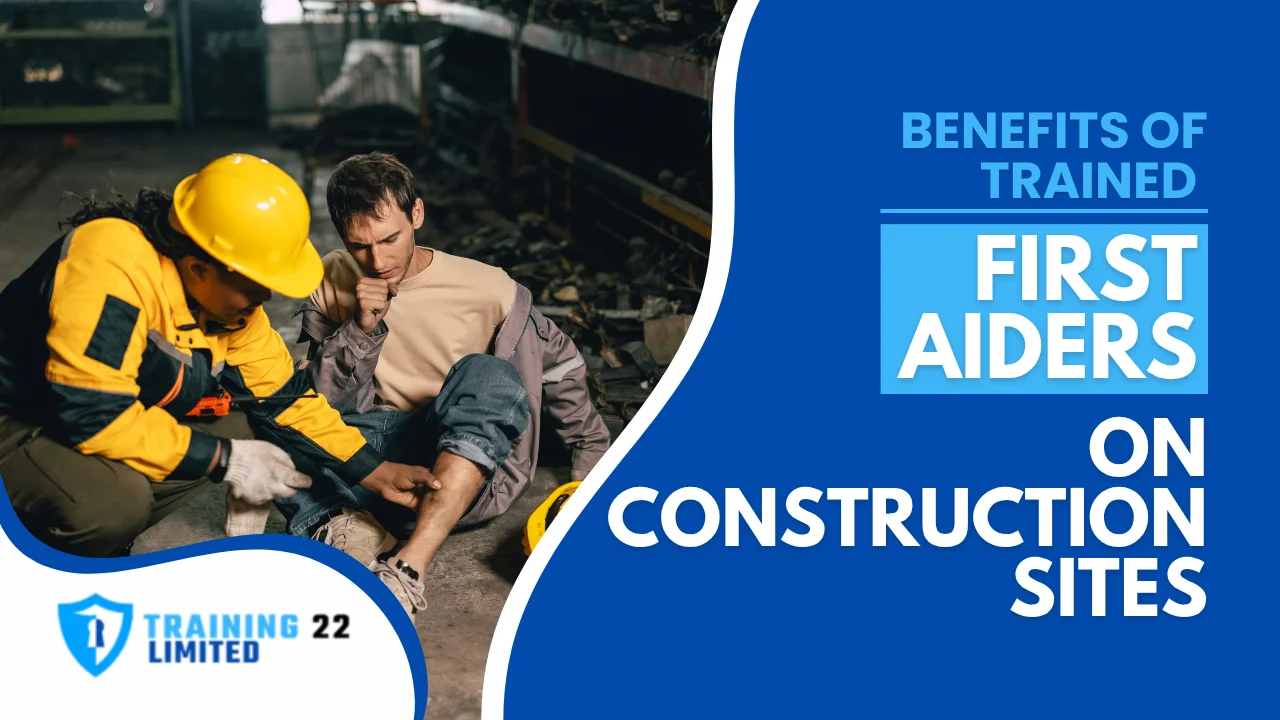
Construction sites are very busy and dangerous places in the UK. Workers use heavy machines, work high off the ground, operate power tools, lift materials, and navigate changing surroundings.
Even with strict safety rules, accidents can happen quickly. A small injury can become a serious emergency if help takes too long to arrive.
Trained first aiders are becoming increasingly important on construction sites. Their presence does more than meet legal requirements. It speeds up response times, aids injured workers, prevents complications, builds worker confidence, and enhances overall safety culture on the project.
Construction companies in the UK recognise that having first aid staff can truly help during emergencies. Whether it’s a fall, crush injury, electric shock, severe bleeding, or heat exhaustion, timely first aid can save lives while waiting for emergency services.
For businesses, site managers, contractors, and workers, investing in first aid training is a smart safety choice. Properly trained staff prepare teams for unexpected situations, ensuring legal compliance and supporting employee wellbeing.
Why Construction Sites Carry Higher Safety Risks
Construction sites are naturally dangerous. Workers deal with moving equipment, unfinished buildings, harmful materials, and heavy physical work. Unlike offices, construction sites change every day. As projects move forward, new risks arise, making safety management harder.
Workers face risks like:
- Falls from scaffolding or ladders
- Slips and trips on uneven ground
- Accidents with heavy machinery
- Falling objects
- Electrical shocks
- Burns and chemical exposure
- Crush injuries
- Heat exhaustion and dehydration
- Injuries from manual handling
These dangers show why safety discussions in the UK construction industry often emphasise emergency readiness and quick medical help.
When accidents happen on construction sites, injuries can become serious very quickly. Severe bleeding, fractures, head trauma, and breathing difficulties require immediate attention. Waiting several minutes without proper care may worsen the situation significantly.
Trained first aiders are very helpful in emergencies. They stay calm, check on the injured person, give immediate help, and stabilise injuries until paramedics arrive. Their support can greatly improve the situation.
Construction projects often happen in remote areas or big developments, making it harder for emergency services to reach injured workers quickly. In these cases, having trained staff on-site is crucial.
How Trained First Aiders Save Valuable Time During Emergencies
Speed is a major advantage of having trained first aiders on construction sites. In emergencies, every second counts. Delays can increase pain, worsen injuries, and raise long-term risks.
A trained first aider can act quickly when an accident happens. Instead of panic and confusion, they provide clear help. This quick response can lead to better recovery for injured workers.
For instance, if a worker has severe bleeding, a trained first aider can:
- Control the bleeding fast
- Apply pressure correctly
- Use dressings safely
- Monitor for signs of shock
- Keep the injured person stable
- Communicate clearly with emergency services
Without trained help, workers may not know how to respond, wasting valuable time while waiting for medical assistance.
A quick response also lowers panic on-site. Construction accidents can upset everyone nearby. A calm first aider leads during emergencies, helping coworkers stay focused and organised.
This ability to respond quickly is a key benefit of having trained first aiders on construction sites.
The Role of First Aiders in Preventing Minor Injuries From Becoming Serious
Many workplace injuries start small but can worsen due to delayed or improper treatment. Small cuts can get infected, head injuries may show symptoms later, and fractures can become worse if not treated correctly.
The benefits of having first aid-trained staff are clear when injuries are treated promptly. Trained first aiders know how to manage emergencies safely while preventing further harm to the injured person.
For instance, construction workers often face:
- Sprains and strains
- Minor burns
- Eye injuries
- Cuts from tools
- Heat exhaustion
- Back injuries
- Reactions to dust
A trained first aider can quickly assess the situation and determine if the worker needs hospital care or just simple treatment on site.
Getting help early leads to better healing and faster recoveries. Workers are more likely to receive proper care right away instead of waiting for symptoms to worsen.
In some cases, prompt first aid can prevent life-threatening issues. Breathing problems, allergic reactions, or crush injuries can become serious very quickly without immediate support.
This is why many businesses now see first aid training not just as emergency support, but as an important part of their accident prevention strategies, especially on construction sites.
Creating a Stronger Safety Culture Across Construction Teams
A safe construction site relies on worker attitudes and behaviour. When employees see their employers investing in safety training, they understand their own responsibilities better.
This is a key part of improving safety culture in UK construction projects. Trained first aiders create an atmosphere where workers think carefully about hazards, report issues, and plan for emergencies.
Workers feel more secure knowing that qualified help is close by. This boosts morale and encourages better communication about risks and unsafe situations.
A strong safety culture leads to:
- Better hazard reporting
- More compliance with personal protective equipment (PPE)
- More responsible actions from workers
- Improved teamwork
- Increased emergency awareness
- Fewer preventable incidents
Construction companies with visible safety leadership build better reputations with clients, contractors, and employees.
Trained first aiders often become informal safety leaders on-site. They motivate workers to take safety seriously and promote safe practises throughout the day.
This ongoing awareness greatly helps reduce workplace injuries faced by UK construction companies each year.
Why First Aid Training Supports Legal Compliance in the UK
Legal Duty to Protect Workers
UK employers must protect workers under health and safety laws. Construction companies need to assess risks and have proper first aid arrangements in place.
Expectations from HSE
The Health and Safety Executive (HSE) requires employers to provide enough first aid equipment, facilities, and trained staff based on the risks at the workplace.
Importance of First Aid in Construction
Construction sites have more hazards than many other workplaces, making first aid preparation crucial.
Factors Employers Should Consider
- Site size
- Number of workers
- Types of construction tasks
- Distance from emergency services
- Shift patterns
- Remote work areas
- Machinery risks
Consequences of Poor Emergency Support
Not providing proper emergency support can lead to legal issues, fines, damage to reputation, and insurance problems.
Investing in Training
By investing in recognised courses like the Emergency First Aid at Work course in London, businesses show they care about worker safety and compliance.
Support from Training Providers
Training providers like Training 22 help companies meet safety standards with practical, industry-focused programs. Their EFAW training courses help workers gain confidence in handling emergencies on construction sites.
Reassuring Stakeholders
Having trained staff reassures inspectors, contractors, and clients that safety standards are a priority.
How Trained First Aiders Improve Injury Survival Rates
One of the strongest reasons to have first aiders on construction sites is their effect on survival. Quick treatment can mean the difference between life and death in serious emergencies.
The link between fast care and survival rates is well-known in workplace safety. Construction workers may face serious incidents such as:
- Cardiac arrest
- Severe falls
- Electrocution
- Crushing injuries
- Major bleeding
- Breathing problems
- Head injuries
In these cases, quick action is crucial. For example, CPR given within the first few minutes of cardiac arrest greatly increases survival chances. Similarly, controlling severe bleeding right away can stop life-threatening blood loss.
Trained first aiders know how to:
- Assess danger safely
- Call emergency services
- Perform CPR
- Use automated external defibrillators (AEDs)
- Manage unconscious people
- Handle fractures and spinal issues
- Monitor breathing and circulation
Without trained responders nearby, people may not get crucial help until paramedics arrive. This immediate support is one of the top reasons why construction sites in the UK prioritise having trained first aiders.
Reducing Downtime and Improving Workplace Productivity
Many employers only think about the medical aspects of first aid, but there are operational benefits too.
Construction delays can quickly become costly. Serious accidents can halt work, lead to investigations, affect deadlines, and reduce worker confidence.
Having trained first aiders allows sites to respond better to incidents. Workers get help faster, situations are managed effectively, and panic is minimised.
As a result, there is often:
These benefits improve safety on construction sites, which UK employers now prioritise more. When workers know emergency procedures are in place, they feel safer and can focus better on their tasks.
Good first aid management can also help businesses lower indirect costs related to accidents, such as:
- Lost productivity
- Delayed project timelines
- Staffing replacements
- Insurance issues
- Damage to reputation
While safety must always come first, the operational value of trained first aiders is important to recognise.
The Importance of Emergency Planning on Construction Sites
Construction emergencies are hard to predict. Fires, collapses, machinery failures, and medical issues can happen suddenly. This is why emergency planning is crucial for site safety.
Having trained first aiders improves response to accidents on UK construction projects, making operations safer. A prepared construction site usually includes:
- Emergency contact procedures
- Clearly marked first aid kits
- Trained emergency responders
- Evacuation plans
- Incident reporting systems
- Emergency assembly points
- Communication protocols
First aiders are key to these systems. They help manage responses and support injured people until medical teams arrive. Regular emergency drills and refresher training also enhance readiness.
Workers become more familiar with:
- Who to contact
- Where equipment is located
- How to react in emergencies
- Safe evacuation procedures
- Basic support for injuries
This preparation boosts overall site emergency readiness and helps construction companies respond confidently under pressure.
Mental Reassurance and Worker Confidence on Busy Sites
Construction work is tough on both the body and mind. Workers often deal with loud noises and high-pressure situations, where injuries can happen anytime. Knowing there are trained first aiders nearby helps workers feel more secure.
When companies invest in safety systems and emergency support, employees feel valued. This sense of safety boosts:
- Worker morale
- Reduces anxiety
- Encourages teamwork
- Increases trust in management
- Improves hazard reporting
A safe workforce is usually more productive and cooperative. This reassurance is especially important for younger workers or apprentices, who may be nervous in risky situations for the first time.
Visible first aid support shows that companies genuinely care about worker wellbeing. This focus on safety helps improve the safety culture within UK construction companies.
Common Construction Site Emergencies First Aiders Must Handle
Construction sites expose workers to various accidents and medical emergencies.
Good training helps first aiders respond to both minor and serious situations.
Falls From Height
Falls remain one of the leading causes of serious injury in construction. Workers may suffer fractures, spinal injuries, internal bleeding, or head trauma.
First aiders help stabilise casualties while preventing unnecessary movement that could worsen injuries.
Heavy Machinery Accidents
Construction machinery can cause crush injuries, amputations, and severe bleeding.
Immediate bleeding control and emergency coordination are critical during these situations.
Electrical Injuries
Electric shocks can cause burns, heart failure, and loss of consciousness.
Trained responders know how to safely handle electrical emergencies.
Heat Exhaustion and Dehydration
Outdoor construction work in warm weather raises the risk of heat-related illnesses. First aiders can spot symptoms early and stop them from getting worse.
Slips, Trips, and Manual Handling Injuries
These incidents might seem small at first, but they can lead to great pain and lost work time.
Quick treatment can lower complications and speed up recovery.
Being able to handle these emergencies well helps ensure faster responses on construction sites across the UK.
Why Every Construction Team Should Invest in First Aid Training
Construction companies spend a lot on machinery, safety gear, site tools, and planning projects. However, investing in worker training is one of the best safety choices.
First aid training gives employees life-saving skills for use at work and beyond. Workers who finish recognised courses grow confident in:
- CPR and resuscitation
- Managing bleeding
- Handling burns
- Responding to shock
- Assisting unconscious casualties
- Using first aid tools
- Communicating in emergencies
These skills improve workplace resilience and create safer project environments.
For construction businesses in London and the UK, Training 22 offers professional programs like:
These courses prepare workers for real-life emergencies they might face on construction sites. Well-trained teams can handle unexpected situations calmly and effectively.
As safety standards in construction change, businesses that focus on emergency preparedness strengthen their position.
How First Aid Training Supports Long-Term Industry Improvements
The construction industry has made big strides in safety over the years. Better tools, stricter rules, and more awareness have led to fewer accidents on the job.
However, ongoing improvement relies on education and training. First aid training helps workers be more aware of risks and how to handle emergencies. Workers who know the effects of injuries are more likely to:
- Follow safety rules
- Use tools correctly
- Report dangers quickly
- Help coworkers in emergencies
- Join safety discussions
This proactive attitude helps prevent accidents on construction sites. Trained workers also share safety tips with others, spreading awareness within teams. Over time, these efforts create safer work environments across the UK construction industry.
The Financial Benefits of Better Emergency Preparedness
While worker safety is always important, construction companies also save money with better emergency planning. Serious accidents can lead to high costs from:
- Delays in projects
- Legal claims
- Higher insurance rates
- Lost productivity
- Staff absences
- Damaged equipment
- Investigation expenses
Investing in first aid training can lower these risks by improving quick responses and reducing injuries. This is why many construction businesses in the UK are recognising the benefits of having first aid-trained staff.
When employers prioritise emergency preparedness, they also boost their reputation with clients and contractors. Many companies prefer to work with contractors who have strong safety systems and trained staff. Therefore, first aid training enhances both safety and long-term business credibility.
Building a Safer Future for UK Construction Workers
Construction workers are essential for building homes, offices, and public spaces in the UK. Their job is tough and often risky, so workplace safety is crucial.
Having trained first aiders on-site can greatly improve emergency responses. They ensure faster treatment, better coordination, less panic, and more effective injury management, making worksites safer.
The advantages of having trained first aiders go beyond just meeting regulations. They help build stronger teams, boost morale, enhance readiness for emergencies, and save lives.
Trained first aiders respond quickly to emergencies like falls, electrical accidents, severe bleeding, or sudden illnesses, providing care when every second counts.
For construction businesses, investing in recognised training is a smart way to improve safety standards. Training 22 offers practical courses, like first aid at work and EFAW training, to help businesses in London be better prepared.
By prioritising emergency training now, construction companies can create safer and more resilient worksites for the future.
Frequently Asked Questions About First Aiders on Construction Sites
Why are trained first aiders important on construction sites?
Construction sites are risky and can cause serious injuries. Trained first aiders offer immediate help before professional medical assistance arrives.
What benefits do UK businesses gain from first aid training?
Businesses see quicker emergency responses, better injury handling, increased worker confidence, improved compliance, and a safer work culture.
Can first aid training reduce workplace injuries?
Yes. First aid training encourages safer behaviour, better hazard spotting, and increased readiness for emergencies, all of which help reduce injuries in construction.
What emergencies should construction first aiders handle?
First aiders should be ready to address falls, burns, crush injuries, bleeding, electrical shocks, unconsciousness, fractures, and heart attacks.
How does first aid improve injury survival rates?
Immediate actions like CPR, stopping bleeding, and managing airways can significantly improve survival rates in emergencies.
Is first aid training legally required on UK construction sites?
Yes, UK employers must arrange adequate first aid based on the risks in their workplaces according to health and safety laws.
What course is suitable for construction workers?
Many construction companies choose the emergency first aid at work course, which provides practical skills for high-risk environments.
Why is emergency preparedness important in construction?
Emergencies can occur unexpectedly at construction sites. Being well-prepared allows for quicker responses and can lessen the severity of injuries.
Stronger Sites, Safer Workers, and Smarter Emergency Preparedness
Construction safety involves more than hard hats and signs. It relies on people being ready to act when problems arise.
Trained first-aiders provide confidence and can save lives during emergencies. Their skills help construction teams react quickly, stay calm, and care for injured workers effectively.
The benefits are obvious: better response times and a stronger workplace culture. Prioritising first aid training shows how important emergency preparedness is for UK workplaces.
For businesses that care about worker safety, investing in first aid training goes beyond a legal requirement. It is a practical move towards safer construction sites across the UK.