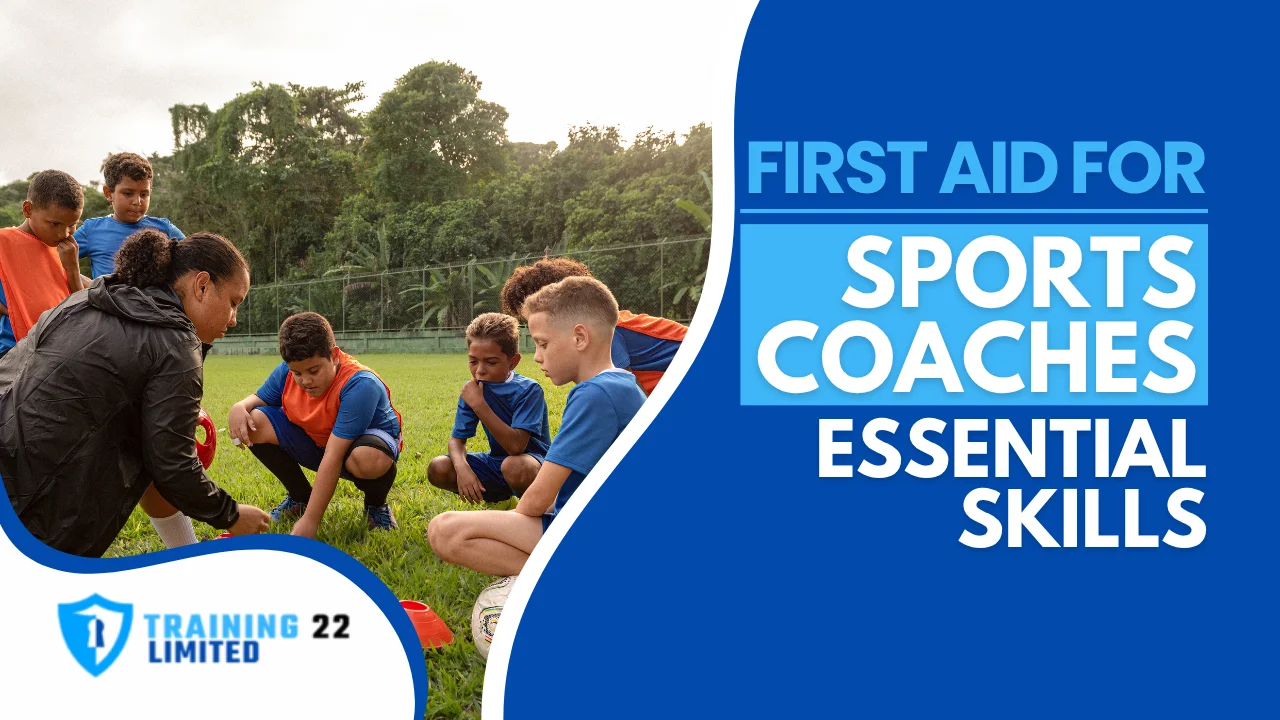
If you’re coaching a football team, running a school sports club, managing a youth rugby team, or volunteering at a local sports group, player safety is your top priority. Understanding how to react to injuries or medical emergencies is crucial, even more than tactics or performance goals.
Sports can be unpredictable. A player might sprain an ankle, get a concussion, have a severe allergic reaction, or even collapse from a heart issue without warning. In these critical moments, the coach often becomes the first responder.
That’s why first aid training is essential for sports coaches. Knowing how to act quickly and correctly can lessen injuries, help players recover faster, and even save lives.
A coach’s quick response after an injury can greatly affect an athlete’s recovery. Whether it’s a twisted ankle on the sidelines, a possible concussion during the game, or a serious medical issue, knowing what to do is vital.
Having strong first aid skills enables coaches to act fast, support injured players effectively, and create a safe training and competition environment. As player safety remains a focus in UK sports, first aid knowledge is as important as coaching skills.
Why First Aid Skills Matter More Than Ever in Modern Sport
Sports offer great physical, social, and mental benefits, but they can also lead to injuries, from minor cuts to serious emergencies, at any level.
As a coach, players, parents, schools, and clubs rely on you to keep the environment safe. While you’re not a healthcare professional, knowing basic first aid can help you act quickly before emergency services arrive.
The first few minutes after an injury are crucial. Quick action can:
- Stop injuries from getting worse
- Ease pain and discomfort
- Help players recover better
- Comfort players and spectators
- Provide accurate information to emergency responders
- Save lives in serious situations
Many sports organisations, schools, and governing bodies now encourage or require coaches to complete a first aid course to fulfil their safety responsibilities.
From Whistle to First Responder: Understanding the Coach’s Role
Many new coaches think their job is just training and managing games. However, taking care of players is a big part of coaching today.
When a player gets hurt, they often look to their coach for help and reassurance. Staying calm and handling the situation can ease panic among players, parents, and fans.
During an emergency, a coach should:
- Check the area for safety
- Protect the injured player
- Give first aid
- Call emergency services if needed
- Communicate with parents or guardians
- Record what happened
- Follow club safety procedures
Knowing these duties is crucial for effective first aid in coaching and helps build trust with your team and community.
The Essential First Aid Kit Every Sports Coach Should Carry
Preparation helps improve player safety. Every coach should have a full first aid kit during training and matches.
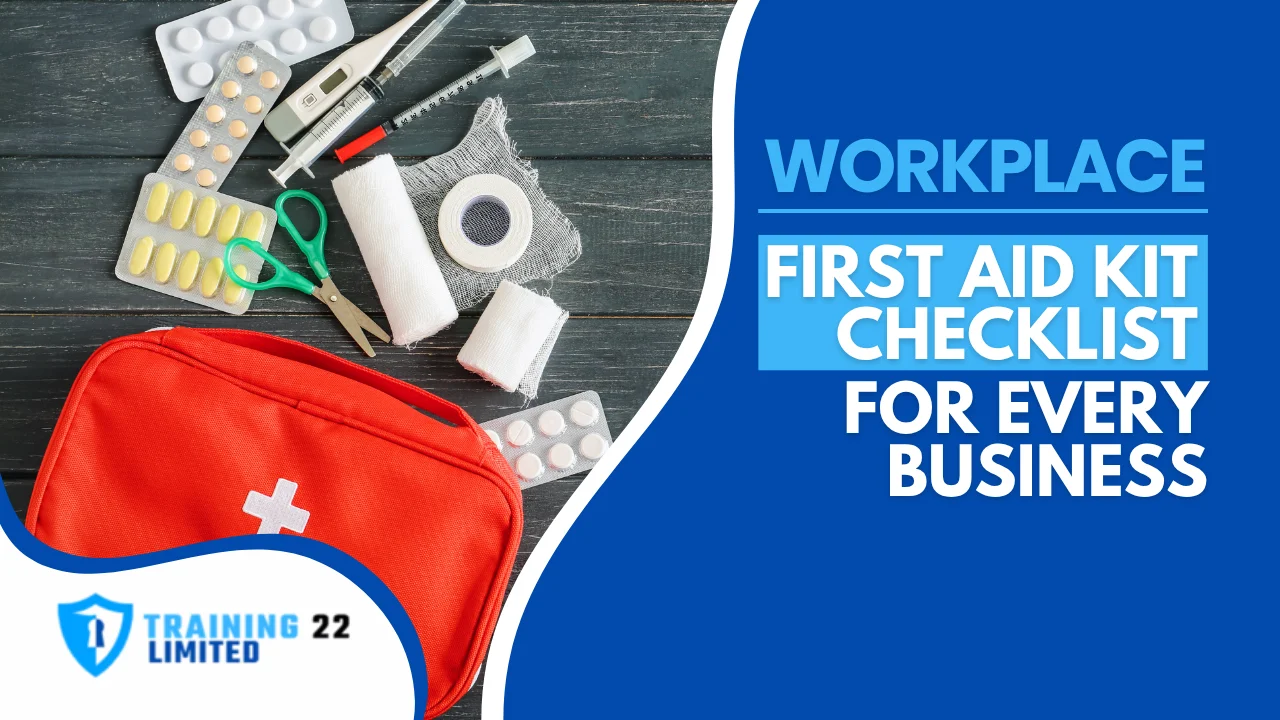
Requirements may vary by sport, but a good sports first aid kit usually includes:
Wound Care Supplies
- Sterile dressings keep wounds clean and free from germs.
- Adhesive plasters cover small cuts and help them heal.
- Gauze pads absorb blood and protect wounds.
- Medical tape holds dressings or gauze in place.
- Antiseptic wipes clean skin and kill germs.
Injury Management Supplies
- Cold packs that cool quickly for injuries.
- Stretchy bandages that hold dressings in place and support injured areas.
- Triangle-shaped bandages are used for slings or support.
- Supports for injured fingers to keep them straight.
Emergency Equipment
- Use these gloves to keep your hands clean and safe during medical tasks.
- This shield protects you while giving CPR to someone in need.
- An emergency blanket helps keep people warm in critical situations.
- Use scissors to cut clothing or bandages during first aid.
- A notepad and pen let you take notes or record important information quickly.
Additional Useful Items
- A saltwater solution is used for cleaning wounds or hydration.
- A tool designed to safely remove ticks from skin.
- A lightweight, reflective blanket that helps retain body heat.
- A gel used to kill germs and clean hands without water.
Equipment alone isn’t enough. Coaches need to know how to use it correctly. This is why formal first aid training is so important.
Building Confidence Through Basic First Aid Skills for Coaches
During emergencies, many people hesitate because they worry about making mistakes. Proper training helps reduce that fear.
Having basic first aid skills as a coach allows you to respond quickly and confidently during incidents. These skills are valuable in sports and daily life.
Important first aid skills include:
Primary Assessment
Learning to Check:
- Danger: Look for any threats around you.
- Response: Check if the person is awake and aware.
- Airway: Make sure their airway is clear.
- Breathing: See if they are breathing.
- Circulation: Check for a pulse.
This method helps you find serious problems fast.
Managing Bleeding
Sports often cause cuts, scrapes, and nosebleeds. Coaches should know how to stop bleeding with direct pressure and the right bandages.
Recovery Position
If a person is unconscious but breathing normally, put them in the recovery position. This keeps their airway open while you wait for help.
CPR Awareness
Cardiac emergencies are uncommon but can happen to athletes of any age. Knowing CPR can greatly increase the chances of survival before help arrives.
These essential skills are crucial for any sports injury first aid guide and are taught in official first aid courses.
Tackling Common Sports Injuries with Confidence
Sports injuries can happen to anyone, no matter their age or activity. Many injuries are minor, but proper care can help avoid complications and heal faster.
By knowing about common injuries, coaches can make better choices during practise and competitions.
Sprains and Strains
Sports injuries happen often. Common symptoms include:
- Pain
- Swelling
- Limited movement
- Bruising
The usual treatment is:
- Rest
- Ice
- Compression
- Elevation
Coaches should not tell athletes to “run it off” if they have serious pain or swelling.
Cuts and Grazes
Contact sports and outdoor activities can cause skin injuries. To manage these injuries properly, follow these steps:
- Wash the wound with soap and water.
- Press down on the wound with a clean cloth to stop the bleeding.
- Put a clean bandage over the wound.
- Check the wound for signs of infection, like redness or swelling.
Muscle Cramps
Cramping often happens from dehydration, tiredness, or imbalanced electrolytes.
To treat cramps, you can:
- Stretch gently
- Drink water
- Rest
Knowing these common causes is key for sports coaches to provide effective first aid.
Concussion Awareness: A Critical Skill for Every Coach
Concussions are now a hot topic in sports. Even though people talk about them more, many still go unnoticed.
A concussion can happen from a hit to the head, face, neck, or body that sends force to the brain. Common signs include:
- Headache
- Dizziness
- Confusion
- Memory problems
- Balance issues
- Nausea
- Sensitivity to light
A key rule for coaches is: If in doubt, sit them out. Players suspected of having a concussion should not continue playing until a medical assessment is done.
Ignoring concussion symptoms can cause serious complications and longer recovery times. Therefore, recognising concussions should be part of every sports coach’s first aid training.
Youth Sports First Aid: Protecting Young Athletes
Working with children brings extra responsibilities. Young athletes may find it hard to describe their symptoms, so coaches need to be observant.
Coaches must stay alert and understand age-specific health concerns, such as:
- Asthma attacks
- Allergic reactions
- Dehydration
- Heat illnesses
- Fractures
- Head injuries
Coaches should keep emergency contact information updated and know any medical issues their players have. Parents value coaches who prioritise safety and show confidence in emergencies.
Taking specialised training, like a paediatric first aid course, can strengthen a coach’s skills for helping younger athletes. For coaches regularly working with children, a Paediatric First Aid Training programme offers useful knowledge that enhances sports-specific first aid skills.
Creating an Emergency Action Plan Sports Teams Can Rely On
Many people forget how important it is to have a clear response plan before emergencies happen.
A good emergency action plan helps coaches react quickly and consistently when under pressure.
Every sports club or team should have a written emergency plan that includes:
Emergency Contacts
Maintain accurate records for:
- Parents or guardians are responsible for the care and safety of their children.
- These are people who provide medical help in case of an emergency.
- Club officials run the activities and events for the club.
- Venue management handles the location where events take place.
Emergency Equipment Locations
Make sure everyone knows where to find:
- First aid kits
- Defibrillators
- Emergency exits
- Telephones
Roles and Responsibilities
Identify who will:
- Call emergency services.
- Meet the paramedics.
- Manage the spectators.
- Contact family members.
Incident Reporting
Keeping track of injuries helps protect everyone, meets insurance needs, and reduces future risks.
Regularly practising emergency procedures boosts preparedness and builds confidence across the organisation.
Recognising Life-Threatening Emergencies on the Pitch
Serious medical emergencies can happen during sports, even though they are rare. Spotting warning signs early can save valuable time.
Cardiac Arrest
Signs to watch for include:
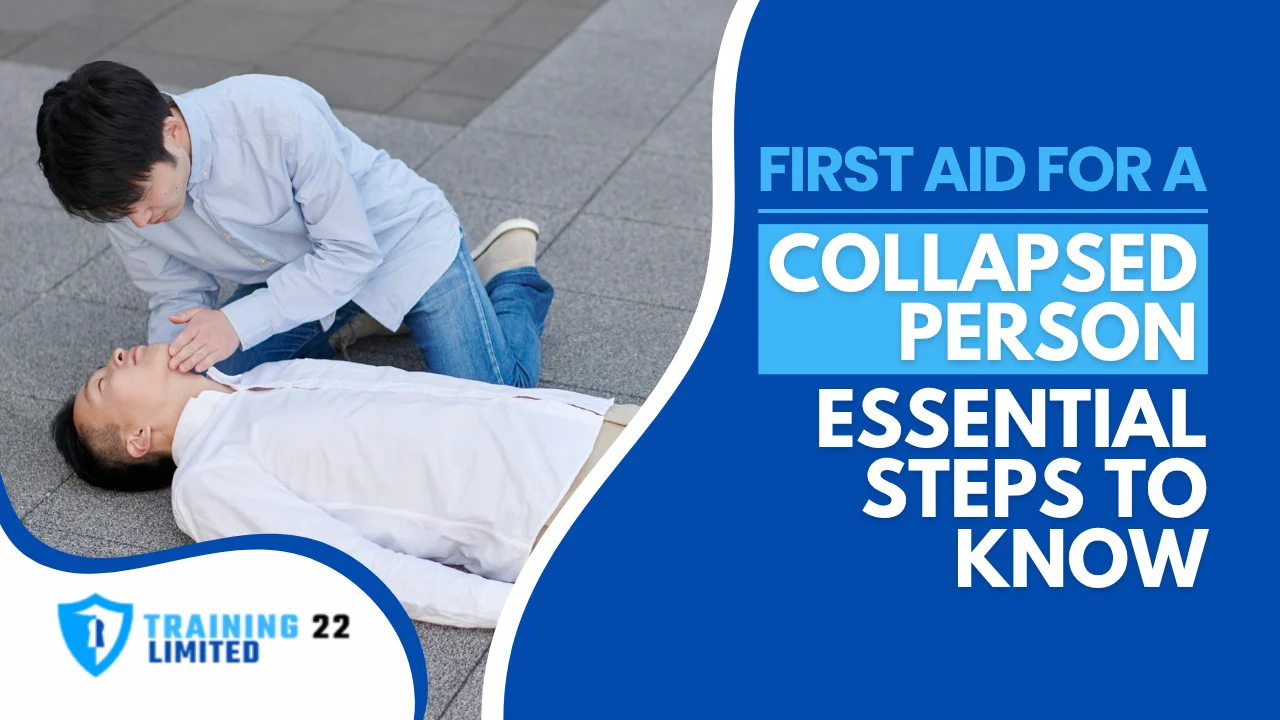
- Sudden collapse
- Unresponsiveness
- No normal breathing
Giving CPR and using a defibrillator right away can greatly increase survival chances.
Severe Allergic Reactions
Symptoms may include:
- Swelling in the face or throat
- Trouble breathing
- Wheezing
- Passing out
You need to get emergency medical help right away.
Heatstroke
During hot weather or tough training, athletes can experience:
- Confusion
- High body temperature
- Collapse
- Changes in consciousness
Quick cooling and emergency medical help are essential. Learning how to handle these situations is a key part of first aid for sports coaches.
CPR and Defibrillator Awareness for Coaches
Modern sports facilities now have Automated External Defibrillators (AEDs), saving many lives across the UK.
AEDs are easy for anyone to use, providing clear voice instructions.
Coaches who know CPR and AED procedures can:
- Start life-saving actions right away
- Improve chances of survival
- Boost confidence for players and parents
- Enhance safety standards in clubs
Training providers like Training 22 offer Basic Life Support Training. This training includes CPR, airway management, and emergency response skills important for sports coaches.
Even if you never need these skills, knowing them gives you peace of mind.
Why Professional First Aid Training Gives Coaches a Real Advantage
Reading articles and watching videos can raise awareness, but hands-on training builds real confidence.
Professional courses allow you to:
- Practise CPR
- Assess injuries
- Use first aid supplies
- Handle realistic situations
- Get expert feedback
Coaches working with adults can benefit from completing a recognised emergency first aid course, which lays a solid foundation for emergency skills.
If you want a broader understanding of first aid in the workplace, consider a one-day first aid course in London. It covers common medical emergencies relevant to sports.
Many clubs encourage coaches to take an emergency first aid at work course in London to show their commitment to player safety.
Investing in training not only improves your skills but also boosts the professionalism and reputation of your sports organisation.
Practical Tips to Prevent Injuries Before They Happen
First aid is important, but prevention is the best way to stay safe. Coaches can lower the risk of injuries by taking steps to ensure safety.
Prioritise Proper Warm-Ups
Warm-up sessions get muscles and joints ready for exercise and help prevent injuries.
Encourage Hydration
Take regular hydration breaks to avoid cramps, heat exhaustion, and a drop in performance.
Check Equipment Regularly
Inspect:
- Check the goalposts for stability and safety.
- Look over the protective gear to ensure it fits well and is undamaged.
- Examine the playing surfaces for hazards or damage.
- Inspect the training equipment for safety and proper function.
Monitor Player Fatigue
Tyred athletes are more likely to make mistakes and get hurt.
Promote Open Communication
Encourage players to report symptoms early instead of hiding injuries to keep playing.
When coaches use prevention strategies and basic first aid skills, it creates a safer environment for everyone in sports.
Developing a Safety-First Coaching Culture
Successful coaches know that player health and performance are linked. Creating a culture that prioritises safety helps athletes:
- Report injuries honestly
- Follow recovery advice
- Support teammates
- Respect medical decisions
Parents and athletes expect coaches to uphold safety standards. Coaches who learn first aid build trust and credibility in their communities.
Clubs that promote good safety practises have fewer serious incidents and better experiences for participants. That’s why first aid training for coaches should be seen as an ongoing commitment to athlete wellbeing, not just a one-time qualification.
Every Coach Has the Power to Make a Difference
Great coaching is about more than just winning. It’s about creating a safe and enjoyable space for athletes to grow and gain confidence.
Learning first aid helps coaches protect players during tough times. Whether dealing with a minor injury, spotting concussion signs, helping a child with asthma, or handling a serious emergency, your actions are important.
By learning basic first aid, following a sports injury guide, making an emergency action plan, and focusing on youth sports first aid, you become a better and more responsible coach.
Professional training is a valuable investment for coaches who want to build confidence and meet safety standards. Courses like Emergency First Aid at Work, Paediatric First Aid, and Basic Life Support from Training 22 give you the skills to act quickly when needed.
FAQ: First Aid for Sports Coaches
Do sports coaches need first aid training in the UK?
Different organisations and sports have different requirements, but it is highly recommended, and often expected, for coaches to have first aid training to care for players.
What is the best sports coach first aid course?
A recognised Emergency First Aid at Work course offers a strong foundation. Coaches who work with children can also gain from paediatric first aid training.
How often should coaches refresh their first aid skills?
Most first aid certifications need to be renewed every three years, but it is highly recommended to take annual refresher courses.
What should be included in a sports first aid kit?
A sports first aid kit should have dressings, plasters, gloves, cold packs, bandages, antiseptic wipes, scissors, and CPR face shields.
Why is youth sports first aid important?
Children can have various medical emergencies and may find it hard to explain what’s wrong. Coaches need special training to respond properly.