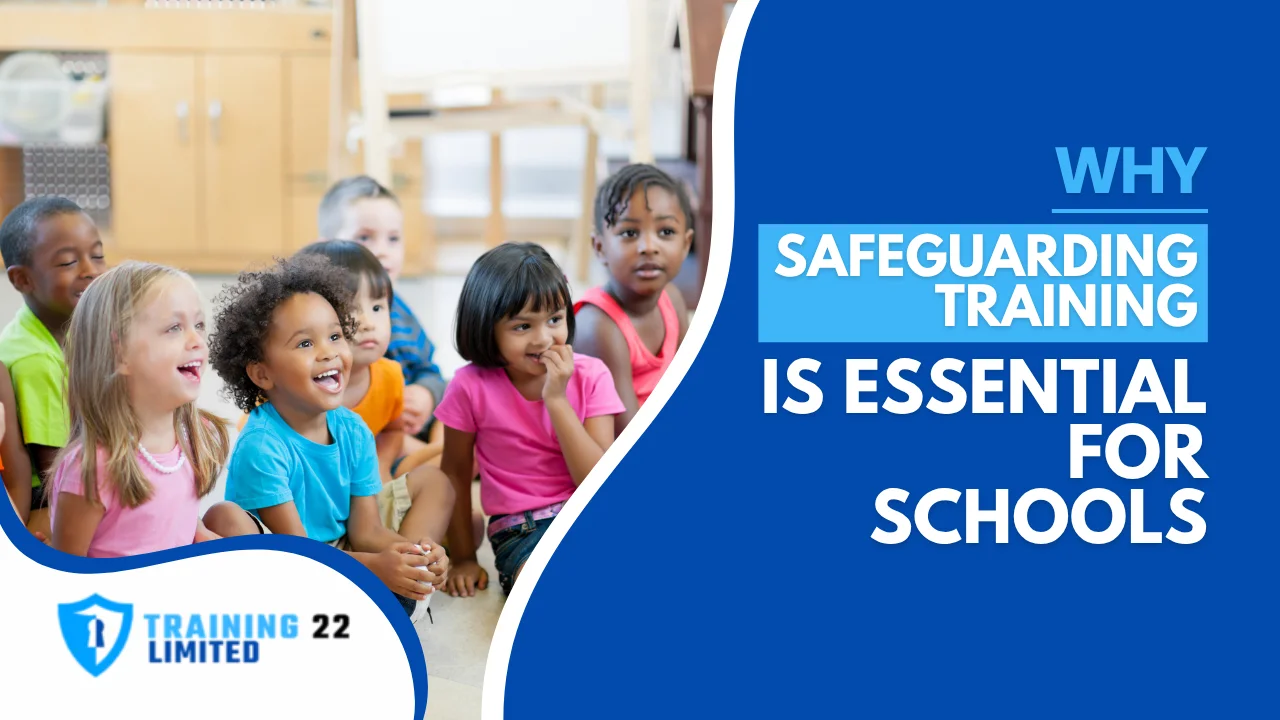
Working with children is rewarding but comes with serious responsibilities. Parents trust childcare workers to create a safe place for children to learn, play, and grow. Fulfilling that trust goes beyond just preventing accidents; it means spotting concerns early and making safety a part of everyday practise.
Understanding safeguarding responsibilities can be challenging, especially for those new to nurseries, preschools, or childminding. There are policies to learn, reporting steps to follow, behaviours to identify, and professional boundaries to maintain. However, it becomes easier when staff know what their responsibilities look like in daily situations.
Working with children means protecting their well-being, responding to concerns, and ensuring safe environments. In England, registered early years settings follow the Early Years Foundation Stage (EYFS). Scotland, Wales, and Northern Ireland have their own safeguarding guidelines.
Safeguarding Starts Before There is a Problem
Many people think of safeguarding as just responding to suspected child abuse. While this is important, safeguarding means much more.
The Department for Education says safeguarding protects children from harm, helps their health and development, ensures they receive safe care, and promotes the best outcomes for them. This includes concerns inside and outside the home, especially online risks.
In childcare settings, safeguarding should guide everyday decisions. It affects how staff supervise children, communicate with families, notice behaviour changes, hire staff, use phones, record information, manage absences, and respond to injuries or disclosures.
Good safeguarding prevents problems. A strong setting doesn’t wait for signs of harm to act. Instead, staff focus on making children safer by:
- Actively supervising children
- Maintaining proper adult-to-child boundaries
- Noticing changes in behaviour or emotional health
- Understanding each child’s needs
- Recording unexplained injuries or troubling patterns
- Following up on unusual absences
- Keeping safeguarding details private
- Reporting concerns properly
- Challenging unsafe behaviour by coworkers
- Communicating well with parents and caregivers
- Ensuring the premises and equipment are secure
In England, the EYFS framework is required for registered early years providers. It sets out standards to support children’s learning, health, and safety.
Safeguarding should never be a one-time task. It must be part of the childcare setting’s culture.
Understanding Your Safeguarding Responsibilities in Childcare
One key principle for beginners is that everyone shares responsibility for safeguarding children.
A setting may have a manager or safeguarding lead, but all staff members are responsible. Anyone who works with children might notice something important that others miss.
For example, a nursery assistant might see a usually outgoing child become withdrawn. A lunchtime supervisor may notice a child arriving hungry. A key worker could observe unexplained injuries over time. Another staff member might hear a worrying comment during play.
Each small observation can contribute to a bigger picture.
The Department for Education emphasises that no one professional sees everything about a child’s situation. Everyone who interacts with children and families plays a role in spotting concerns, sharing information, and acting quickly.
This principle is central to childcare safeguarding responsibilities.
Your job is not to investigate or decide if abuse has happened. Instead, you should recognise possible signs, listen carefully, make accurate notes, and follow your setting’s safeguarding procedures.
Government guidance stresses that workers should act on their concerns rather than trying to figure out whether abuse has occurred.
Staff should know:
- Who the Designated Safeguarding Lead (DSL) is
- Who steps in when the DSL is unavailable
- Where to find safeguarding procedures
- How to record concerns
- How quickly to report concerns
- What to do if a concern is about another employee
- How to raise concerns about senior management
- When outside agencies need to be involved
Safeguarding works best when staff are prepared and do not have to think on their feet during a crisis.
Know the Legal Safeguarding Responsibilities in Childcare
Knowing the legal rules helps practitioners understand the policies they use daily.
For early years providers in England, the EYFS statutory framework outlines essential safeguarding and welfare needs. Also, “Working Together to Safeguard Children” applies to all organisations working with children, including schools and childcare centres.
This framework became stronger starting September 1 2026. New updates include clearer safe-sleep guidelines, tougher background check rules for volunteers, stricter policies on hiring staff before checks, and more requirements about handling harm allegations. This makes staying informed crucial.
Safeguarding Responsibilities
Childcare providers have several legal safeguarding duties, including:
- Protecting children from harm
- Hiring suitable adults
- Completing necessary DBS checks
- Checking references
- Appointing a Designated Safeguarding Lead if needed
- Keeping up-to-date safeguarding policies
- Training staff
- Reporting concerns
- Addressing staff allegations
- Keeping records
- Sharing information
- Supporting whistleblowing
- Managing attendance and absences
- Ensuring safe use of phones and cameras
- Conducting risk assessments
- Ensuring health and safety
- Providing safe sleep arrangements
- Offering appropriate supervision
The Department for Education’s EYFS safeguarding summary states that providers should have clear policies for handling safeguarding issues, staff allegations, unexplained absences, mobile phone use, training, and safe recruitment.
Effective Safeguarding
However, having policies isn’t enough. Staff must fully understand and apply them confidently. A well-written policy is useless if employees don’t know how to act when a child discloses something concerning.
Good safeguarding needs legal compliance, skilled staff, and sound professional judgement.
The Designated Safeguarding Lead: Who Takes the Lead?
A key part of keeping children safe in childcare is the Designated Safeguarding Lead (DSL).
According to current Early Years Foundation Stage (EYFS) rules, childcare providers must have a suitable safeguarding lead. The Department for Education says that group settings need to appoint a DSL, while childminders take on this role themselves.
The DSL’s responsibilities include:
- Managing safeguarding issues
- Supporting staff
- Keeping safeguarding processes up to date
- Working with children’s services
- Promoting a strong safeguarding culture
- Making or helping with referrals
- Keeping safeguarding records
- Ensuring staff know how to report concerns
- Updating safeguarding knowledge
However, having a DSL doesn’t mean other staff can ignore their responsibilities.
For example, if a practitioner sees a pattern of unusual injuries, they shouldn’t think, “The DSL will notice.” This attitude increases risk. Instead, they should follow the organisation’s procedures and report what they see. The DSL can then decide what steps to take.
Effective safeguarding relies on staff knowing the difference between taking action and investigating. Every employee should report concerns, while formal investigations may involve the DSL, children’s social services, the police, or other professionals.
This is why everyone in a childcare organisation, from apprentices to senior managers, needs to understand safeguarding.
Spot the Signs: What Childcare Staff Should Notice
Young children often can’t explain what’s wrong. They might not have the words to describe their feelings or may feel scared, confused, or loyal to someone involved. Instead of talking, they might show their feelings through their behaviour.
Childcare staff need to observe children to spot signs of abuse carefully. Possible concerns can come from a child’s:
- physical appearance
- unexplained injuries
- behaviour
- mood
- interactions with adults
- relationships with peers
- attendance
- hygiene
- development
- comments they make
Government guidelines for early years practitioners, released in July 2026, highlight signs like unexplained marks, injuries, or bruises, behaviour changes, and worries about a child’s care and health. However, staff shouldn’t treat these signs as a checklist to diagnose abuse.
One bruise doesn’t mean abuse. A child being quiet for a day doesn’t always indicate something bad has happened. Still, staff shouldn’t ignore ongoing concerns just because each issue seems innocent. Patterns and context are important, as is proper recording.
Different types of harm include:
- Physical abuse: Look for unexplained or repeated injuries, unusual bruising, or concerning explanations.
- Emotional abuse: Signs can be fearfulness, withdrawal, distress, anxiety, or major behaviour changes.
- Sexual abuse: Indicators may show up as inappropriate sexual behaviour, unusual distress, or behaviour changes.
- Neglect: Concerns can arise from ongoing hunger, inadequate clothing, poor hygiene, lack of supervision, untreated health issues, or unmet basic needs.
Staff should not try to diagnose abuse on their own. The right actions are to notice, record, and report any concerns.
Listen Without Becoming the Investigator
When a child suggests they may have been harmed, it can be very challenging. Your response is important.
Childcare professionals should create a calm environment and avoid actions that could affect later investigations. If a child starts to share something concerning, staff should:
- Stay calm
- Listen carefully
- Let the child speak
- Take their words seriously
- Avoid showing shock
- Use neutral responses
- Not ask leading questions
- Not promise complete secrecy
- Explain, in simple terms, that they may need to share information to keep the child safe
- Report the concern quickly
- Write down what was said accurately
One common mistake is asking too many questions. A caring staff member wants to know what happened, but detailed questioning can go beyond their role and affect future investigations.
The goal of the first response is to listen to the child and ensure the concern is reported to the right people.
Another mistake is saying, “I won’t tell anybody.” While well-meaning, this promise can be unmanageable. Sometimes, safeguarding information needs to be shared with professionals to protect the child.
Instead, staff should explain, at the child’s level, that they may need help from someone whose job is to keep children safe.
These small differences show why understanding safeguarding is so important.
Record and Report: Turning Concern Into Appropriate Action
Recognising a concern is just the first step in safeguarding. Staff must know what to do next.
According to current EYFS safeguarding guidelines, staff should recognise signs of abuse and neglect and know how to record and report concerns about children’s safety. They must act quickly on these concerns, follow local procedures, and refer to children’s social care when needed.
When recording a concern, information should be clear, factual, and specific.
Less useful example: “Child seemed strange today.”
More useful example: “At about 10:15 AM during free play, the child became tearful when collection time was mentioned and said, ‘something that caused concern.’”
The second example gives important details without making assumptions.
Records should include:
- Date and time
- Child’s name
- What was observed
- What the child said
- Relevant context
- Actions taken
- Who the concern was reported to
- Name of the person making the record
Staff should separate facts from opinions. Instead of saying, “The parent was obviously drunk,” describe observable behaviours like speech, balance, smell, or actions, while following the reporting procedure.
Safeguarding records must stay confidential. They shouldn’t become part of general workplace discussions. Share information only with those who need it for safeguarding.
The “Working Together to Safeguard Children” guide highlights the importance of teamwork since no single professional or agency has the full picture of a child’s situation. Good documentation helps link different observations.
Safeguarding Concerns About Another Member of Staff
Safeguarding responsibilities go beyond issues at home. Sometimes, the actions of coworkers, volunteers, or managers can also raise concerns. This can be uncomfortable, especially in small childcare teams, but children’s safety is more important than loyalty to colleagues.
The Department for Education outlines concerning staff behaviours, like wanting too much one-on-one time with a child, having favourites, crossing professional boundaries, inappropriate touching, using sexualised language, breaking staff codes, or misusing devices. Not every awkward situation means someone is misbehaving, but staff should know their setting’s procedures and report any troubling behaviour instead of ignoring it.
Strong safeguarding policies should detail:
- How to handle allegations against staff
- Who to report concerns to
- What to do if the concern involves the Designated Safeguarding Lead
- What happens if senior management is involved
- How whistleblowing works
- When to report to outside authorities
Current guidance also requires clear whistleblowing procedures, helping employees feel safe to report unsafe practises or raise concerns externally if needed.
If staff are afraid to report safeguarding issues for fear of being labelled difficult, the culture needs improvement. A safer workplace encourages staff to use the proper channels to voice their concerns.
Safer Recruitment Is Safeguarding Too
Discussions about protecting children in childcare often focus on actions taken after something goes wrong. However, effective safeguarding starts much earlier, especially during hiring.
Childcare providers should check if their staff are suitable for working with children. The latest EYFS guidelines include requirements for DBS checks, verifying references, and ensuring staff meet safety standards.
Starting September 1, 2026, there will be stricter rules for safeguarding during recruitment. This includes stricter criminal record checks for all volunteers and a rule that new hires cannot start until their checks are complete.
Recruitment should be viewed as a safeguarding action, not just a human resources task. A safe recruitment culture can involve:
- Checking job histories
- Understanding gaps in employment
- Getting valid references
- Verifying information
- Completing necessary DBS checks
- Confirming identities
- Checking qualifications when needed
- Asking interview questions focused on safeguarding
- Assessing suitability to work with children
- Providing a clear safeguarding induction
- Ensuring ongoing professional supervision
Safeguarding efforts should continue after hiring. Managers must keep staff informed about policies, boundaries, and expected behaviour.
Hire safely, provide good training, and supervise regularly. This approach helps prevent unsafe practises from becoming normal.
Attendance, Absence and Everyday Changes Can Reveal Risk
Childcare workers should remember that signs of safeguarding issues can be subtle. Changes in a child’s routine can be important clues. For instance, a child who usually comes to childcare regularly may suddenly miss several days without saying why. Another child may arrive late often, or there may be unexplained short absences.
The current EYFS safeguarding rules require providers to have an attendance policy, quickly check on unexplained or long absences, watch for patterns, contact parents or emergency contacts as needed, and raise any concerns. The government recognises absences as a sign of possible risks.
Everyday tasks can help protect children in childcare settings.
This applies to changes in:
- Eating habits
- Toileting
- Sleep
- Emotions
- Communication
- Confidence
- Interactions with adults
- Friendships
- Appearance
- Hygiene
- Pickup arrangements
A practitioner who knows the children well can notice when things seem off. The goal isn’t to become suspicious of every change, as kids have tough days, grow, and experience shifts in family life. Instead, staff should stay curious and ask: “Is there something here that needs attention?” This approach can make safeguarding more proactive.
Families Are Partners in Safeguarding
Safeguarding is not just about childcare workers watching for parents’ mistakes. This approach isn’t helpful or accurate. Instead, effective safeguarding happens when childcare professionals build respectful, positive relationships with parents and carers.
The Department for Education recommends that early years settings create two-way relationships with families. This means sharing information about children’s well-being, discussing concerns appropriately, and guiding families to support when needed.
A strong partnership can look like:
- Clearly explaining safeguarding rules
- Encouraging families to share important updates
- Talking about children’s development
- Appropriately expressing concerns
- Listening without judging quickly
- Understanding family and cultural backgrounds
- Helping parents find support
- Keeping clear professional boundaries
Early support can prevent small issues from becoming big crises. However, working with families should not delay necessary safeguarding actions. If there are concerns that a child may be at risk, staff must follow the right procedures.
In some cases, discussing a concern with a parent may not be safe. That’s why it’s important for employees to have access to a knowledgeable safeguarding lead and clear local procedures.
Good safeguarding combines partnership, professional curiosity, and quick action when needed.
Why Safeguarding Training Matters for Every Childcare Worker
Policies guide employees on expected actions. Training helps them know how to carry out these actions.
The Department for Education requires early years staff to take regular safeguarding training. Staff must complete this training, following EYFS criteria, every two years.
Effective training should help staff understand key issues, such as:
- Recognising signs of abuse or neglect
- Managing disclosures
- Correctly recording concerns
- Reporting concerns
- Keeping information confidential
- Identifying inappropriate staff behaviour
- Understanding whistleblowing
- Setting professional boundaries
- Responding quickly to safeguarding issues
For new early years workers, an online child safeguarding course offers a clear introduction to these responsibilities, along with workplace policies and procedures.
Practitioners in London can benefit from online safeguarding courses that enhance their understanding before applying it in their jobs.
Training 22 offers an online course for childcare professionals to improve their safeguarding skills flexibly.
However, completing a course should not just be a formality. The goal is to turn what they learn into actions.
After training, staff should know what to observe, who to contact, and what steps to take if something seems wrong.
Training should be backed up with:
- Induction
- Refresher sessions
- Staff meetings
- Supervision
- Safeguarding scenarios
- Policy reviews
- Updates on new guidance
- Discussions about lessons learnt
This approach makes safeguarding training important and not just a bureaucratic task.
Safeguarding and First Aid Work Together
Safeguarding and first aid are different responsibilities, but they often overlap. Childcare workers may treat an injury and also see something that raises a safety concern.
For example, while treating a minor injury, a worker might notice:
- old bruises
- injuries in strange places
- multiple injuries healing at different rates
- a child acting scared when asked about an injury
- a worrying comment during treatment
The priority is to give first aid, but the worker also needs to follow safety procedures. This shows that childcare safety is best when connected.
Training in Paediatric First Aid and Basic Life Support helps staff handle health emergencies, while safeguarding training raises awareness of risks to children’s welfare. Both are important.
A childcare setting needs staff who can handle immediate emergencies and also address longer-term safety issues.
Additionally, first aid records can reveal important safety information if repeated incidents show a pattern. Accurate documentation is crucial for both areas.
Creating a Safeguarding Culture, Not Just a Safeguarding Folder
A key difference between strong and weak safeguarding practises is culture.
Two childcare settings may have similar written policies but can operate quite differently. In one place, staff share concerns, ask questions, and review procedures regularly. In another, employees feel afraid to speak up because managers dislike being challenged. The first setting is much safer.
A good safeguarding culture includes:
- managers taking concerns seriously
- staff knowing the procedures
- employees feeling free to challenge bad behaviour
- listening to children’s opinions
- regular discussions about safeguarding
- clear professional boundaries
- training applied in real situations
- viewing mistakes as chances to improve
- understanding whistleblowing procedures
- keeping accurate records
- escalating concerns when needed
Government guidelines say safeguarding should be part of daily care, not just a response to emergencies. It emphasises active supervision and a strong safeguarding culture.
This mindset is crucial. Safeguarding shouldn’t just be in a folder read once during training and then forgotten. It shows in how staff supervise a playground, talk to a distressed child, use a phone, handle confidential information, document an injury, or address inappropriate comments from another adult. This is where safeguarding becomes real.
A Practical Childcare Safeguarding Responsibilities Guide
If you’re new to working with young children, the amount of safeguarding information can be a lot to take in. This guide can help you with the basics.
Before You Start
Make sure to:
- Know the setting’s safeguarding policy.
- Identify the Designated Safeguarding Lead (DSL).
- Understand expected staff behaviour.
- Learn how to record concerns.
- Familiarise yourself with whistleblowing procedures.
- Complete required background checks and training.
- Understand rules about phones and cameras.
- Know emergency procedures.
Daily Childcare Tasks
Remember to:
- Supervise children closely.
- Watch for their well-being.
- Listen carefully.
- Keep professional boundaries.
- Notice any changes in behaviour.
- Follow health and safety rules.
- Treat children with respect.
- Communicate properly with families.
If You Have a Concern
You should:
- Take the concern seriously.
- Address any immediate safety issues.
- Listen instead of investigating.
- Accurately record facts.
- Report through the right channels quickly.
- Keep information confidential.
- Follow instructions from the DSL or safeguarding officials.
- Raise the issue further if it’s not being handled.
This approach helps turn safeguarding responsibilities into everyday actions. Remember, don’t assume someone else will address an issue. Safeguarding improves when everyone understands their role in protecting children.
Common Safeguarding Mistakes Childcare Settings Should Avoid
Even experienced professionals can make mistakes when guidelines are unclear. Recognising these common errors can help improve practises.
Mistake 1: Waiting for proof
Professionals do not need to prove abuse before reporting concerns. Their job is to spot and share concerns through the right channels.
Mistake 2: Investigating independently
Trying to question children or gather evidence on your own can go beyond your role. Just listen, record, and report.
Mistake 3: Assuming the DSL knows already
Never assume someone else has noticed what you have. Safeguarding information is only helpful when it reaches the right person.
Mistake 4: Treating minor concerns as irrelevant
A small observation can become important when combined with other information from different professionals.
Mistake 5: Discussing cases casually
Safeguarding information is sensitive and should only be shared appropriately.
Mistake 6: Ignoring uncomfortable staff behaviour
Caring for children’s safety must come before loyalty to colleagues.
Mistake 7: Treating training as a one-time event
Knowledge can fade, and safeguarding practises change. Regular training helps staff stay confident.
Mistake 8: Allowing policies to become outdated
Laws and guidelines can change. Regularly reviewing safeguarding practises is essential, as shown by the changes to the EYFS in September 2026.
Avoiding these mistakes strengthens both compliance and child protection.
A Simple Safeguarding Checklist for Childcare Providers
Managers and childcare professionals can use this checklist to review their arrangements.
Policies
- Is the safeguarding policy up-to-date?
- Does it explain how to report concerns?
- Does it include procedures for allegations against staff?
- Is there a clear attendance and absence policy?
- Are there clear rules about mobile phones and cameras?
- Is there a good whistleblowing procedure?
People
- Is there a qualified Designated Safeguarding Lead (DSL) in place?
- Do staff know who the DSL is?
- Have necessary background checks been completed?
- Have references been checked and confirmed?
- Do staff understand their professional boundaries?
Training
- Have staff received appropriate safeguarding training?
- Are there regular refresher courses?
- Can employees identify common safeguarding issues?
- Do they know how to react to disclosures?
- Do they know how to document concerns?
Everyday practise
- Are children being supervised actively?
- Are unexplained absences followed up?
- Are concerns recorded quickly?
- Is communication with families appropriate?
- Can staff report unsafe practises without fear?
- Are safeguarding records kept safe?
Review
- Have procedures been reviewed against current EYFS standards?
- Are changes communicated to staff?
- Are safeguarding topics discussed during supervision?
- Do training outcomes reflect in actual work behaviour?
This checklist doesn’t guarantee child safety, but it helps identify areas that need improvement.
Safeguarding Is Something You Do Every Day
Safeguarding children in childcare isn’t about mistrusting every parent or memorising rules. It’s about making sure adults pay attention, children are heard, and concerns are shared quickly with the right people.
Strong safeguarding professionals do a few key things: they notice issues, listen carefully, keep records, report concerns, set boundaries, keep learning, and take action when something worries them.
For managers, this means creating practical policies and systems. For practitioners, it’s understanding their own responsibilities and knowing when to ask for help. New childcare workers benefit from training that helps them handle tough situations.
Current expectations in early years safeguarding require suitable staff, strong leaders, effective policies, proper training, clear reporting methods, and a culture that prioritises children.
Ultimately, protecting children in childcare involves making many small decisions every day: asking questions, noticing changes, recording concerns, challenging colleagues, and listening to children. Though these actions may seem minor individually, together they form a strong safeguarding culture that children need.