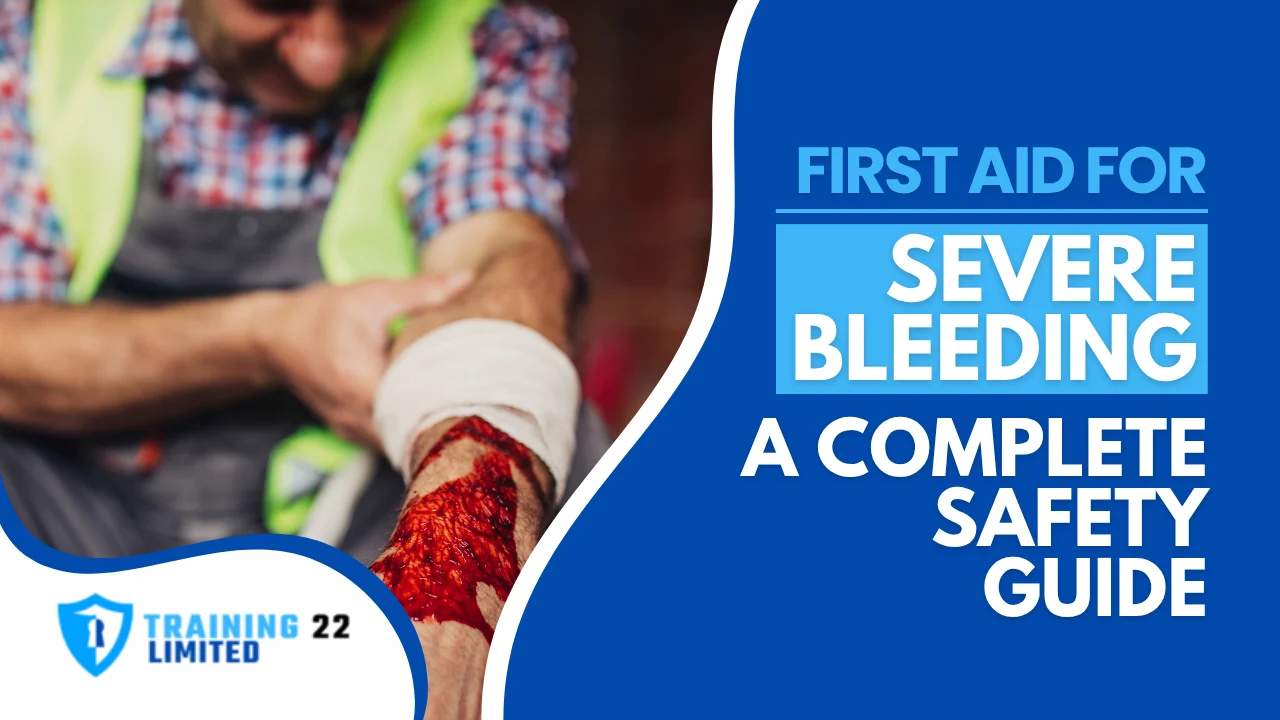
Severe bleeding can quickly create a life-threatening situation. It can happen due to a workplace accident, a car crash, a fall, a cut from broken glass, machinery injuries, or serious cuts at home. Knowing what to do while waiting for help can make a big difference.
You don’t need to be a doctor to assist. The key actions are straightforward: protect yourself, call 999, expose the wound, and apply firm, continuous pressure. Knowing how to handle severe bleeding helps you act quickly and confidently, recognise serious blood loss, and take the right steps until help arrives.
Emergency Alert: If someone is bleeding heavily, call 999 or 112 right away. Follow the instructions from the emergency operator. This article aims to raise first-aid awareness but does not replace hands-on training or professional medical advice.
Why Severe Bleeding Demands Immediate Action
Severe bleeding is dangerous because the body needs blood to deliver oxygen to the brain, heart, and other essential organs. When someone loses a lot of blood, their circulation can fail. Without quick medical help for the bleeding, they may go into shock, lose consciousness, or have trouble breathing.
The situation may become critical quickly, especially when blood flows continuously, spurts from a wound, or pools around the casualty. London Ambulance Service warns that rapid blood loss from severe bleeding can cause death within minutes. It also emphasises that continuous direct pressure by a bystander can be critical while emergency services are travelling to the scene.
The first few minutes are very important. A calm and well-organised response to severe bleeding can slow down blood loss, help circulation, and give ambulance teams more time to provide treatment. You might feel scared or uncertain, but taking simple steps is usually safer than doing nothing.
Severe bleeding can occur in many settings, including:
- Kitchens and workshops
- Construction sites
- Warehouses and factories
- Roads and car parks
- Sports grounds
- Gardens and farms
- Public events
- Schools and childcare settings
- Homes and community spaces
Learning basic trauma care helps you respond confidently during accidents. Practical first-aid training is especially useful because you get to practise applying pressure, bandaging, assessing injuries, and communicating in emergencies in a safe setting.
What Counts as Severe or Life-Threatening Bleeding?
Not every cut needs an ambulance. Small cuts and grazes can be treated by cleaning them, applying gentle pressure, and using a regular plaster or dressing. However, severe bleeding is different. It may not stop even with pressure, soak through clothes, or worsen the person’s condition.
Treat bleeding as possibly life-threatening if there is a lot of blood, the flow is steady or strong, or if the person shows signs of shock. You don’t need to count the blood loss; just pay attention to what you can see, how fast the bleeding continues, and how the person is reacting.
Warning signs may include:
- Blood pumping or spurting from the wound
- Blood flowing continuously and rapidly
- A large pool of blood forming
- Clothing becoming heavily soaked
- Several dressings becoming saturated
- Part or all of a limb being amputated
- A deep or gaping wound
- Bleeding that does not slow with firm direct pressure
- Pale, cold or clammy skin
- Weakness, dizziness or confusion
- Rapid breathing
- Increasing drowsiness or loss of response
Severe bleeding might not appear serious at first. Heavy clothing can cover a wound, and blood can pool under the body or in a shoe. Good first aid for bleeding means checking the person carefully while respecting their dignity and limiting movement.
Internal bleeding can happen after a hard impact, fall, or crush injury. You can’t stop internal bleeding with a bandage, so call 999 if the injury is serious or if the person shows signs of shock, even without an obvious wound.
The First Rule: Make Sure the Scene Is Safe
Before helping someone hurt, pause and check for danger. It’s easy to rush in, but you can’t help if you get hurt, too. The NHS says to make sure both you and the injured person are safe before giving first aid.
Look for dangers like moving cars, broken glass, live wires, unstable machines, aggressive people, fire, chemicals, or falling objects. At work, someone authorised may need to turn off machinery. On the road, someone else might warn drivers without putting themselves in danger.
When it’s safe to approach, protect yourself from blood as much as possible. Wear disposable gloves from a first-aid kit. If gloves aren’t available, ask the injured person to press on their wound while you call for help. You can use a clean plastic bag as a barrier, but don’t take too long looking for perfect gear.
Your main goal in first aid for severe bleeding is to stop or slow down the blood flow. Use whatever barrier you have, avoid touching your face, and wash your hands well afterwards.
If blood gets on broken skin, your eyes, or your mouth, seek medical help after the emergency is over. Also, report any workplace incidents following your organisation’s procedures.
Your Immediate Severe Bleeding Response: Pressure, Call and Control
A simple way to remember the first actions is:
- Protect yourself and check the scene
- Find and expose the wound
- Apply firm direct pressure
- Call 999 or 112
- Maintain pressure until help takes over
If someone is nearby, ask them to call 999 while you apply pressure. Give specific instructions like, “You in the blue jumper, call 999 and say we have severe bleeding.” This helps reduce confusion and encourages quick action.
If you’re alone, use your phone’s loudspeaker to call 999. This lets you continue treating the wound while talking. First, say where you are, especially if you’re outside or in a big place. Describe the wound, how it happened, and whether the person is conscious and breathing.
The Resuscitation Council UK’s 2025 first-aid guidelines say to call 999 and apply firm pressure to the bleeding area. Use a standard dressing, a haemostatic dressing, or a clean cloth on the wound while keeping pressure.
Don’t keep lifting the dressing to check if the bleeding has stopped. This can disrupt clotting and make bleeding restart. Keep steady pressure and watch the edges of the dressing, the person’s condition, and follow the emergency call handler’s advice.
How to Stop Heavy Bleeding With Direct Pressure
For most wounds, direct pressure is the best way to control bleeding. If you have a sterile trauma dressing, use it. If not, a clean cloth, towel, T-shirt, or other suitable material will work in an emergency. Stopping the bleeding is more important than finding something perfectly sterile.
Press the material directly on the wound with the heel of your hand. Keep your arms straight and use your body weight for strong, steady pressure. It should be firm enough to slow or stop the bleeding, but it might be uncomfortable for the person hurt.
Maintain pressure without stopping. The London Ambulance Service recommends using strong force on whatever material you have and keeping it there until help arrives. Items like a tea towel, face cloth, or clothing can be used if proper dressings aren’t available.
When considering how to stop heavy bleeding, remember these practical points:
- Press directly over the source of blood loss.
- Use both hands when necessary.
- Keep the pressure steady rather than pressing and releasing.
- Ask another person to take over only when necessary.
- Explain what you are doing to reassure the casualty.
- Do not clean a life-threatening wound before controlling the blood loss.
- Do not apply antiseptic, cream or powder.
- Do not probe the wound with your fingers.
- Do not give the casualty food or drink.
Once the bleeding stops, put a pressure dressing over the wound. It should be tight enough to apply pressure but not too tight. Check the skin beyond the bandage for warmth and colour. If fingers or toes turn blue, very pale, cold, or numb, the bandage may be cutting off circulation and might need adjusting unless it’s a tourniquet, which shouldn’t be loosened by anyone else after it’s applied.
What Should You Do When Blood Soaks Through?
Seeing blood on a dressing can be scary. Don’t panic — keep applying pressure to the wound and check where the blood is coming from.
Different first-aid organisations have varying advice on dealing with soaked dressings. The NHS suggests keeping pressure on the wound and applying a new pad over the old one without removing it, once the bleeding is under control. St John Ambulance recommends taking off the soaked dressing and applying a new pad before securing it, once bleeding stops.
In an emergency, follow the instructions from the 999 call handler and stick to what you learnt in your first-aid training. The key rule is to maintain firm, direct pressure on the wound while it’s bleeding.
If you can’t see the bleeding area because of clothing, carefully cut or move the clothing instead of pulling it. Exposing the wound lets you apply pressure directly on it.
If heavy bleeding continues despite applying pressure, you may need advanced control methods. Keep the call handler informed, say that pressure isn’t working, and follow their instructions closely.
Embedded Objects: Never Pull Them Out
A knife, shard of glass, piece of metal or other object may remain embedded in the wound. Although your instinct may be to remove it, doing so can cause sudden, uncontrolled blood loss. The object may be compressing damaged blood vessels and acting like a temporary plug.
The NHS recommends keeping an embedded object where it is. Apply pressure on both sides and add padding around it before bandaging. Avoid pressing directly on the object.
To provide severe injury first aid for an embedded object:
- Call 999 immediately.
- Keep the casualty as still as possible.
- Do not pull, twist or push the object.
- Apply firm pressure to the wound on either side.
- Place bulky padding around the object.
- Secure the padding without pressing the object deeper.
- Continue monitoring breathing and responsiveness.
Only shorten a long object if emergency services tell you to, and only if leaving it intact is dangerous. Cutting or moving it could make the wound worse.
If the object is a weapon and the area is unsafe, keep yourself safe first. Move to a safe spot and follow instructions from the police and ambulance. Safety is always the first step in first aid for accidents.
When and How Is a Tourniquet Used?
A tourniquet is a device that you wrap tightly around an arm or leg to stop severe bleeding. It’s not meant for every cut and should not be used for bleeding from the head, neck, chest, abdomen, or groin. However, it can be life-saving if bleeding from a limb can’t be stopped with pressure.
The Resuscitation Council UK suggests using a tourniquet right away for serious bleeding in an arm or leg that doesn’t stop with direct pressure. Place it about 5–7 centimetres above the injury, avoiding joints, and tighten it until the bleeding stops. Record the time you applied it, and only a healthcare professional should release it.
For a member of the public, the safest approach is to:
- Apply direct pressure immediately.
- Call 999.
- Use a commercial tourniquet when it is available, and you have been trained.
- Follow the specific product instructions.
- Follow the emergency call handler’s guidance.
- Never loosen or remove it after application.
- Tell ambulance staff exactly when it was applied.
Tourniquets are painful when tightened properly. Don’t loosen one just because the person feels pain. A loose tourniquet might not stop the bleeding and could make things worse.
A statement from London’s emergency services says that few civilian injuries need a tourniquet. It suggests not removing direct pressure on a wound just to look for a tourniquet and recommends training for anyone using one.
Improvised tourniquets are harder to use correctly and can cause harm if used wrong. Only improvise if no commercial device is available and the 999 call handler tells you to do it. St John Ambulance also says that an emergency call handler may give instructions if bleeding won’t stop with pressure.
Haemostatic Dressings and Wound Packing
Haemostatic dressings help blood clot. They are common in trauma kits, especially in places with high injury risks. However, a regular first-aid dressing or clean cloth with direct pressure works well for many wounds.
Some deep wounds need packing before applying pressure. The Resuscitation Council UK says that, in some cases, you should pack a standard or haemostatic dressing into the wound.
Wound packing is a skill best learnt through practise. It involves finding the source of the bleeding, packing the wound tightly with gauze, and maintaining steady pressure. Just placing a dressing over a deep wound may not provide enough pressure to stop the bleeding.
Members of the public should follow these boundaries:
- Do not pack wounds of the chest or abdomen.
- Do not blindly push material into a wound when the anatomy is unclear.
- Do not remove deeply embedded objects.
- Do not delay direct pressure while searching for specialist equipment.
- Follow the instructions supplied with a bleed-control kit.
- Follow the 999 call handler’s directions.
Bleed kits are helpful, but having equipment isn’t enough. organisations giving out tourniquets or dressings should also train users and make sure they know where the kit is located.
Recognising and Managing Shock
Medical shock is different from emotional shock. It is a serious condition where the body’s organs do not get enough oxygen-rich blood. Severe bleeding, either outside or inside the body, often causes it.
Signs of shock can develop slowly or suddenly. Watch for pale, cold, or sweaty skin, fast breathing, weakness, dizziness, thirst, nausea, confusion, restlessness, or increased drowsiness. The person may say they feel fine, even as their condition worsens.
After controlling the bleeding as well as possible:
- Help the casualty lie down if their injuries allow.
- Keep them still.
- Keep them warm with a coat or blanket.
- Loosen restrictive clothing around the neck or waist.
- Reassure them calmly.
- Do not give food, drink or medication.
- Continue checking their breathing and responsiveness.
- Update the emergency call handler about any change.
The NHS recommends lying down a person who may be in shock, if it’s safe to do so. Keep them warm, provide reassurance, and watch over them. Do not give food or drink, as they may need surgery or anaesthesia.
Older advice often said to raise the person’s legs, but this can be harmful if they have leg, pelvic, spinal, chest, or breathing injuries. Instead, follow the call handler’s instructions and help them find a comfortable position that doesn’t worsen their pain.
Shock can worsen even after bleeding slows, so don’t assume it’s safe just because the bandage looks dry. Stay with the person until ambulance staff arrives.
What If the Casualty Becomes Unresponsive?
Severe blood loss can make a person confused, sleepy, or unresponsive. Keep talking to them and look for changes. Ask simple questions like their name, where they are, and what happened. Their answers can help you see if they get worse.
If they are unresponsive, check if they are breathing normally. Irregular breaths, gasps, or very slow breathing are not normal.
If the person is unresponsive but breathing normally, keep their airway open and follow the emergency call handler’s advice. The recovery position can help protect the airway. However, moving them can be difficult if you need to control a serious wound or suspect spine, pelvis, or limb injuries. The NHS suggests using the recovery position for someone who is unconscious, breathing, and has no other injuries that prevent movement.
If they are not breathing normally:
- Tell the 999 operator immediately.
- Begin CPR as instructed.
- Send someone to bring an automated external defibrillator, or AED.
- Continue until professional help takes over or the casualty shows clear signs of life.
When there are multiple rescuers, one can stop the bleeding while the other starts CPR. If you’re alone, follow the emergency call handler’s instructions.
These examples show that trauma care, bleeding control, and Basic Life Support are all connected. A person’s condition can quickly change from a bleeding emergency to cardiac arrest.
Special Situations That Require Extra Care
Amputation
When a finger, hand, or other body part has been severed, control the casualty’s bleeding before searching for the amputated part. Once the immediate danger is being managed, wrap the part in a clean, slightly damp dressing or cloth and place it in a sealed plastic bag or container. Put that container inside another container with ice or ice water, but do not allow the body part to touch ice directly or freeze. Send it to the hospital with the casualty.
Do not wash, scrub, or apply chemicals to the amputated part. Record the time it was packaged when possible. Most importantly, never leave the casualty alone or interrupt pressure on the wound merely to search for the missing part.
Open Chest Wounds
An open chest wound can make it hard to breathe and can cause bleeding. Call 999 right away. The latest advice from the Resuscitation Council UK is to keep the wound exposed instead of covering it with a regular airtight bandage. You can control bleeding with direct pressure, and trained responders might use a special vented dressing.
Don’t wrap plastic tightly around the chest. Help the person stay in a position that makes it easier to breathe. Reassure them and follow the call handler’s instructions.
Head and Scalp Wounds
Scalp wounds can bleed a lot because there are many blood vessels in the scalp. Apply gentle pressure with a clean pad, unless you think there’s a skull fracture or feel a dip or see bone. Don’t press hard if you suspect a skull injury.
Call 999 if the bleeding is severe, the injury was from a hard hit, or the person is confused, vomiting, having seizures, getting sleepier, has uneven pupils, or loses consciousness.
Nosebleeds
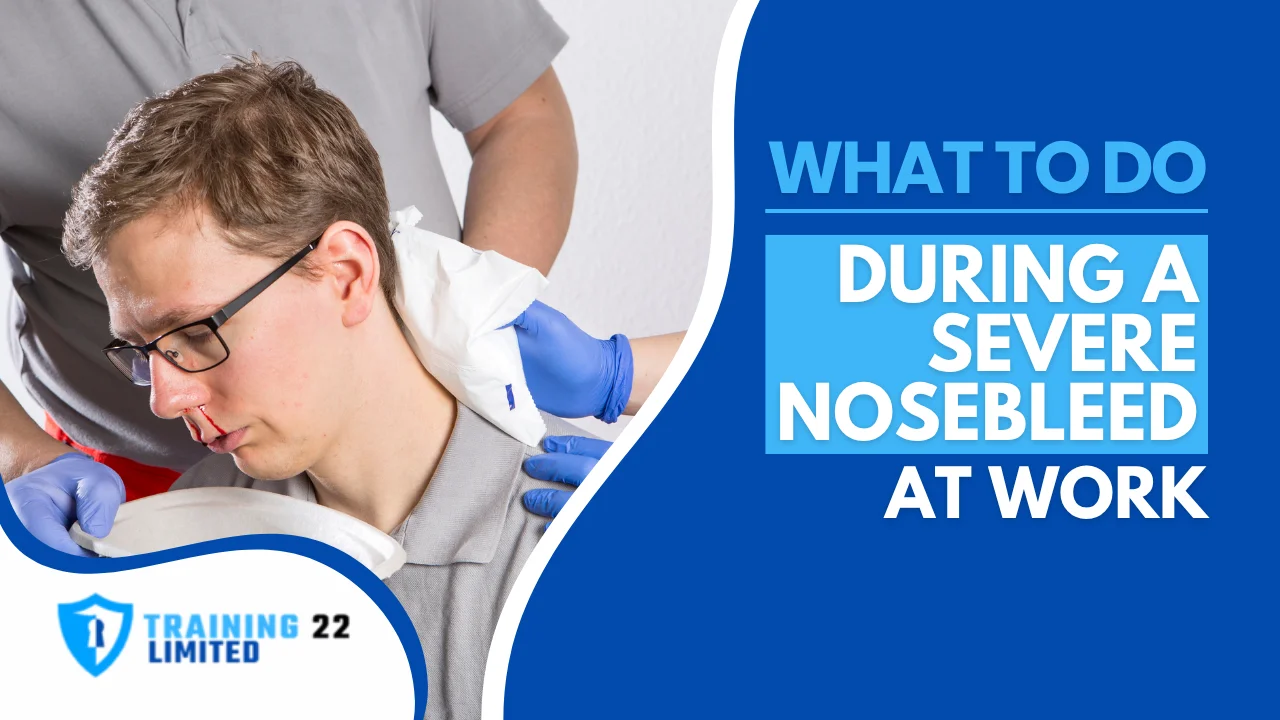
Most nosebleeds do not need the same care as a serious wound. Have the person sit down, lean them forward, and pinch the soft part of their nose. Don’t tilt their head back; the blood could run down their throat.
Call 999 if the bleeding is very heavy, follows a major facial injury, affects breathing, or if the person seems less alert.
Children and Babies
The main priorities are still scene safety, emergency help, and direct pressure. Children can get upset fast and may struggle to communicate their feelings. Use simple words to reassure them, keep a parent or trusted adult close if you can, and help them stay warm.
Apply the right amount of pressure based on the size and location of the injury, making sure it’s firm enough to stop the bleeding. Taking a paediatric first-aid course can help parents, caregivers, and childcare workers learn emergency responses suitable for children.
Pregnancy
If a pregnant person is seriously hurt or bleeding a lot, call 999. Don’t let someone in late pregnancy lie flat on their back if it makes them feel unwell or short of breath. Follow the ambulance call handler’s instructions on how to position them.
Don’t assume that vaginal bleeding during pregnancy is minor. If there’s heavy bleeding, severe stomach pain, fainting, dizziness, or weakness, get medical help right away.
People Taking Blood-Thinning Medicines
Anticoagulant and antiplatelet medicines can make bleeding worse or last longer. Check with the injured person or a family member if they take blood-thinning drugs and inform the ambulance staff.
Don’t hesitate to apply pressure while searching for medications. Even a wound that looks minor may need quick attention if the bleeding doesn’t stop.
Common Bleeding First-Aid Mistakes to Avoid
People often make mistakes when they are scared, in a hurry, or using old information. Knowing what to avoid is essential in a first aid guide for accidents.
Mistake 1: Delaying the 999 Call
If you have severe bleeding, don’t waste time trying different dressings. Call emergency services right away and put your phone on loudspeaker. The operator can help you manage the bleeding while help is on the way.
Mistake 2: Applying Weak or Intermittent Pressure
Apply firm, steady pressure to the wound. Light pressure might not help if blood vessels are damaged. Don’t lift the dressing often to check the wound.
Mistake 3: Removing an Embedded Object
Removing glass, metal, or a weapon can cause more bleeding. Keep it in place and apply pressure around it.
Mistake 4: Cleaning the Wound First
Clean small cuts, but don’t worry about cleaning major wounds that are bleeding heavily. Stop the bleeding first, then think about dirt or infection.
Mistake 5: Using Cotton Wool or Fluffy Material
Fibres can stick to wounds and make treatment harder later. It’s better to use a sterile dressing or a clean, smooth cloth.
Mistake 6: Applying a Tourniquet to Every Wound
Tourniquets are meant for severe bleeding in arms or legs that pressure can’t stop. They are not for regular cuts or wounds on the body.
Mistake 7: Loosening a Tourniquet
After applying a tourniquet, keep it on until a healthcare professional takes it off. Note the time you applied it and tell the ambulance staff.
Mistake 8: Giving Food or Drink
A person with serious injuries might need surgery, anaesthesia, or quick medical care. Do not give them food or drink.
Mistake 9: Letting the Casualty Walk Around
Movement can increase bleeding, worsen injuries, or lead to collapse. Keep them still and supported.
Mistake 10: Assuming the Emergency Is Over
Bleeding can start again, and shock may get worse even if the wound looks under control. Keep watching the person until help arrives.
Avoiding mistakes makes first aid for bleeding safer and more effective. Training helps people stay calm and follow a clear step-by-step process.
Preparing Your Home, Vehicle or Workplace
Preparation is important during an emergency. At home, keep a first-aid kit in a visible and accessible spot for adults. Don’t lock it away so tightly that it’s hard to reach quickly.
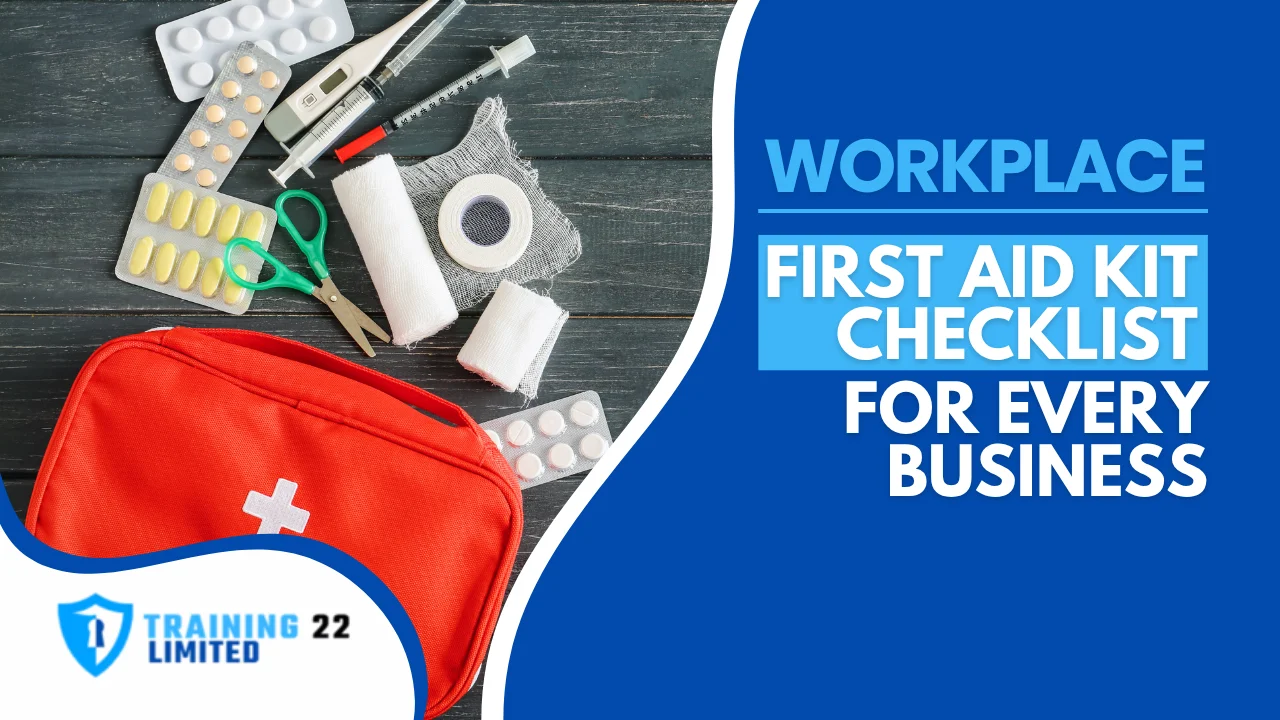
A basic bleeding-response kit may include:
- Disposable nitrile gloves
- Sterile wound dressings
- Trauma dressings
- Roller bandages
- Triangular bandages
- Sterile gauze
- Safety scissors
- Foil blanket
- Eye protection
- Hand-cleaning supplies
- Clear emergency instructions
Higher-risk workplaces might need extra equipment, like bandages or tourniquets, after a proper risk assessment. This equipment should come with training, regular checks, and clear signs indicating where it is stored.
The Health and Safety Executive states that employers must provide the right equipment, facilities, and personnel for immediate care when employees are injured or sick. Employers should assess their first-aid needs based on workplace dangers, the number of workers, and other important factors.
A workplace assessment should consider:
- Machinery and sharp tools
- Glass, metal or cutting operations
- Construction and maintenance activities
- Remote or lone working
- Travel time for emergency services
- Shift patterns
- Number of employees
- Members of the public on site
- Previous accidents and near misses
- Location and accessibility of first-aid supplies
- Availability of trained first aiders
First-aid plans shouldn’t just be written down. Employees must know who the first aiders are, how to reach them, where the first-aid kits are, and how to call emergency services from the site.
Why Practical Training Builds Real Confidence
Reading an article can raise awareness, but hands-on learning turns that knowledge into action. In guided courses, participants practise skills like assessing injuries, applying pressure, bandaging, performing CPR, and communicating with emergency services.
Training helps learners see how different emergencies are related. A person with severe bleeding might also have a fracture, head injury, breathing issue, or heart problem. Good responders know to prioritise the most urgent threats instead of just focusing on the most noticeable injury.
Training 22 offers health and safety training for individuals and organisations. Depending on your job and workplace risks, consider these options:
- A 1-day first aid at work course for focused emergency training.
- A 3-day first aid at work course for more in-depth training.
These courses help learners practise skills like controlling bleeding, doing primary surveys, CPR, and other vital emergency procedures. The training is especially useful in workplaces with tools, machinery, construction, kitchens, security tasks, public events, or large crowds.
Training 22 also offers Paediatric First Aid Training, Emergency Paediatric First Aid Training, and Basic Life Support Training courses. These are designed for parents, caregivers, childcare workers, teachers, and anyone who might need to handle emergencies involving children or adults.
A Simple Severe Bleeding Checklist
In an emergency, a short checklist is easier to remember than a long explanation. Use these steps to help you remember:
SAFE–CALL–PRESS–WATCH
SAFE:
Look for dangers like traffic, electricity, machines, fire, violence, chemicals, or other risks. Wear gloves if you have them.
CALL:
Dial 999 or 112 right away. Use speakerphone and provide your exact location.
PRESS:
Uncover the wound and apply steady pressure with a dressing or clean cloth.
WATCH:
Keep an eye on breathing, alertness, signs of shock, and any ongoing bleeding until help arrives.
If an object is stuck in a wound, press around it instead of taking it out. For severe bleeding from an arm or leg, use a commercial tourniquet only if you have training or guidance from an emergency operator.
This summary highlights the basics of stopping heavy bleeding, but practising these steps will help you remember them when under stress.
Frequently Asked Questions About First Aid for Severe Bleeding
Should I call 999 before applying pressure?
If someone is nearby, ask them to call while you apply pressure right away. If you’re alone, use speaker mode so you can call and help the injured person at the same time. Don’t let serious bleeding continue while you make a long phone call.
Can I use my hands when no dressing is available?
Yes. Use gloves or another barrier if you have them, but don’t wait to apply pressure for life-saving measures. If the injured person is conscious, ask them to press on their own wound if it’s appropriate.
How hard should I press?
Press down firmly to slow or stop the bleeding. Use the heel of your hand and your body weight. It may hurt a bit, but it’s more important to control the bleeding.
How long should I maintain pressure?
Keep applying pressure until the bleeding stops, or until emergency professionals take over. Don’t release the pressure to check the wound.
Can I use a towel or clothing?
Yes. You can use a clean, folded towel, T-shirt, or cloth if you don’t have a sterile dressing. The main focus should be applying direct, continuous pressure.
Should I wash a badly bleeding wound?
No. Don’t wait to wash or disinfect a serious wound. Stop the bleeding first.
Should I elevate the injured limb?
Direct pressure is the priority. Don’t move or raise a limb if you think it has a fracture, is impaled, or has another serious injury. Follow the instructions from the 999 call handler.
What should I do if glass or metal is stuck in the wound?
Keep it where it is. Apply pressure on both sides, wrap it with padding, and call 999. Taking it out might cause more bleeding.
Can a belt be used as a tourniquet?
Improvised tourniquets can be unsafe. Don’t stop applying direct pressure to look for a belt. Use a commercial tourniquet if you are trained, or improvise only if instructed by the emergency call handler.
Can I remove a tourniquet when the bleeding stops?
No. Don’t loosen or remove it. Write down when it was applied and let a healthcare professional take it off.
What happens if the casualty faints?
Lower them safely if you can. Check their breathing and inform the 999 operator. If they are breathing normally, keep their airway open and follow positioning instructions. If they aren’t breathing normally, start CPR.
Can I give the casualty water?
No. Do not provide food or drink. They may need urgent surgery or an anaesthetic.
What should I tell ambulance staff?
Explain what happened, where the wound is, how long the person has been bleeding, what treatment you provided, whether a tourniquet was used, and any changes in consciousness or breathing. Mention medicines such as anticoagulants when known.
Is severe bleeding always obvious?
Clothing, body position, or the environment can hide blood loss. Internal bleeding can happen without an open wound. Call 999 after a serious injury or if you see signs of shock.
Do ordinary workplace first-aid kits contain enough equipment?
Standard kits quickly handle many bleeding wounds if used right away. Workplaces at higher risk may need extra supplies after assessing their first-aid needs. Equipment should be easy to access, up-to-date, and accompanied by proper training.
Does completing a first-aid course make someone a medical professional?
No. First-aid training provides quick care until professional help arrives. First aiders should stick to their training and follow emergency service guidelines.
Calm Action Can Save a Life
Severe bleeding is scary, but taking action is simple. First, check for danger, then call 999. Press firmly on the bleeding area and keep that pressure while keeping the person still. Monitor their breathing and responsiveness until help arrives.
You don’t need fancy tools to handle severe bleeding. A dressing, towel, or piece of clothing can work well if you apply strong, steady pressure. The key is to recognise the emergency and respond quickly.
Confidence comes with practise. Taking a first aid course can help you learn important skills that are hard to grasp from reading alone.
By learning first aid for severe bleeding, you can help someone during a critical moment. You might never need these skills, but knowing what to do can make a big difference when every second matters.